The AI boom is pushing bond yields higher in ways that go beyond corporate borrowing, ING says
The 10-year Treasury has hit its highest level since 2002, while the 30-year yield climbed to a 24-year high.
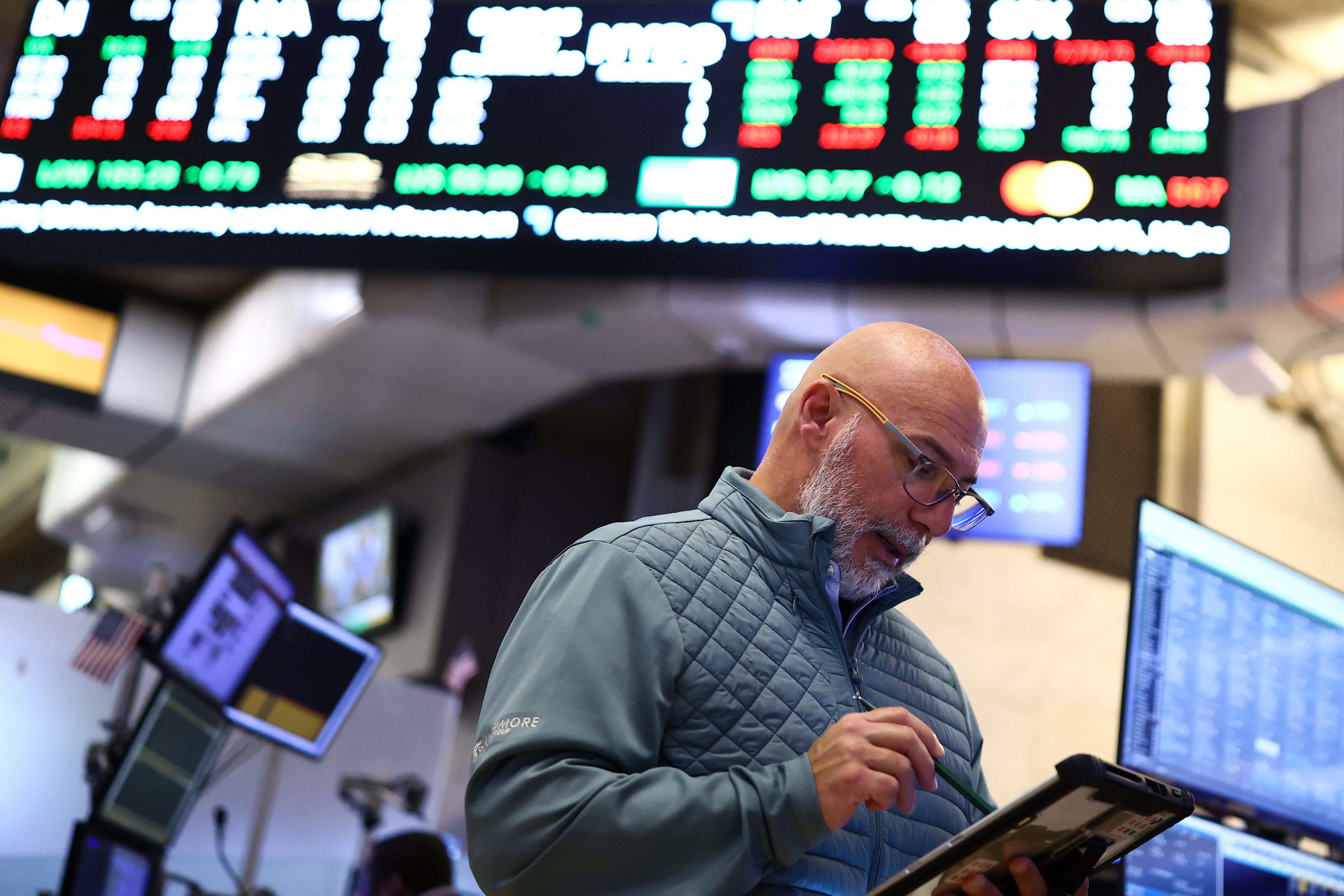
AI is lifting bond yields for reasons that go far beyond financing new data centers.
Markets are increasingly pricing AI's potential to lift productivity and long-term growth, ING says.
Treasury yields have surged to multi-decade highs as the global bond selloff deepens.
The AI boom is pushing long-term bond yields higher in ways that go beyond a wave of corporate borrowing.
While inflation and fiscal deficits remain the biggest drivers of higher long-dated yields, AI accounts for about one-fifth of the recent rise, according to strategists at ING in a Thursday note.
Much of the discussion around AI's impact on bond yields has centered on Big Tech's borrowing spree, which has forced companies to compete with governments for investor capital. But that's only part of the story, the strategists argued.
The bank estimates roughly 70% of AI's impact on long-dated yields stems from expectations that the technology will boost productivity and long-run economic growth. By comparison, only about 25% comes from higher AI-related corporate debt issuance.
That's because if AI makes businesses more productive, investors expect companies to borrow and invest more, pushing up expectations for long-term interest rates.
Those expectations can push up real bond yields even before productivity gains become visible in economic data, they wrote.
"Whether we like it or not, rises in real yields for productivity reasons should be construed as higher yields for 'positive' reasons," the bank's strategists wrote.
ING's strategists compare today's AI boom with the dot-com era, when the 10-year real Treasury yield reached about 4% amid optimism over technology. At roughly 2.9% today, real yields remain well below those levels, the strategists wrote.
"Arguably, the productivity story today is even more persuasive than it was back then," they wrote.
ING's note comes as the global bond selloff gathered pace.
Yields on long-dated government debt have climbed across the US, Europe, and Japan as investors grapple with persistent inflation, resilient growth, higher oil prices, and concerns over government borrowing.
The move has pushed borrowing costs to multi-year highs in many major economies, raising the stakes for richly valued equity markets.
On Thursday, the benchmark 10-year US Treasury yield climbed as high as 5.34%, its highest level since 2002, while the 30-year Treasury yield spiked to a 24-year high of 5.69%.
If you enjoyed this story, be sure to follow Business Insider on Yahoo.
Topics in this story
Gathered from external sources. Rights to this text belong to whoever originally published it.