What happens before packaged food reaches your kitchen?
When we pick up a packet of food from a supermarket shelf, it is easy to think of it as a product that has been packed and put up for sale.
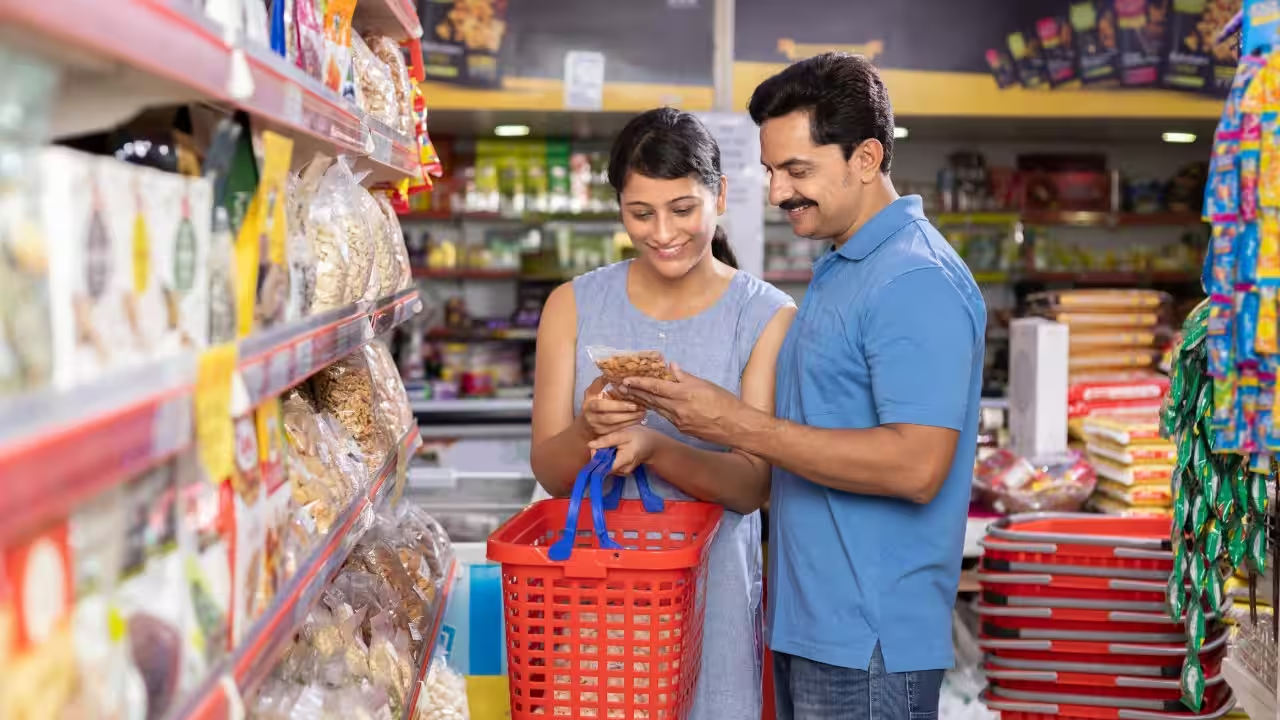
When we pick up a packet of food from a supermarket shelf, it is easy to think of it as a product that has been packed and put up for sale. In reality, getting food to that shelf in the same intended shape, texture, flavour and quality which it had when it left the manufacturing facility involves much more than putting the food inside a package.Think about the difference between buying food loose and buying it in sealed packaging. Loose food is exposed to its surroundings each time it is handled, measured, transferred or stored. Depending on how it is handled and stored, this can mean increasing exposure to dust, moisture, insects, repeated human contact or other environmental factors. A properly designed and sealed package can act as a barrier against moisture, oxygen, light, contamination and physical damage, while helping the product retain the characteristics it is expected to have when it reaches the consumer. The protection that the package offers must last much longer than the few minutes we spend picking a product from a shelf.A packaged food product may pass through manufacturing, filling and sealing, loading, transportation, warehouses, distribution centres and retail shelves before it finally reaches your kitchen. At every stop, it can encounter movement, pressure, changes in temperature or humidity and repeated handling. The packaging needs to be designed to withstand these conditions, and protect what is inside.Let’s explore what happens along the way, and how packaging helps the product make that journey while maintaining its intended quality.It all starts at the manufacturing facility.The first question one should ask when making packaging decisions is not “What type of packaging should this food go into?” It should be “What does this food need protection from?”Different foods have different vulnerabilities. Some are sensitive to moisture, some to oxygen, some to light, while others may need protection from physical damage. A product that needs to retain its crispness, for example, will require different packaging barrier attributes versus another where moisture exposure is less of a concern.Hence, packaging is always designed around the product and its expected journey. Factors such as moisture content, fat content, texture, oxygen sensitivity, light sensitivity, shelf life and distribution conditions can all influence the choice of packaging material and format.“Food packaging requirements are driven primarily by the product's characteristics. Factors such as moisture content, sensitivity to oxygen, light exposure, microbial susceptibility, shelf-life expectations, physical fragility, and storage conditions all influence packaging design.For example, high-fat foods require excellent oxygen barriers to prevent rancidity, while fresh produce needs packaging that balances gas exchange and moisture control. Similarly, frozen foods demand materials that can withstand low temperatures, and fragile products require adequate mechanical protection. Effective packaging is therefore not one-size-fits-all; it is a carefully designed solution that preserves food safety, quality, and sustainability throughout the supply chain. We support the entire value chain by helping food producers identify the right packaging materials, technologies, and performance requirements to optimise product protection, reduce waste, and meet their company’s sustainability goals," shared Nilesh Shah, Signature Exxpert™ at ExxonMobil.The manufacturing environment is another part of the equation. Before the food is packed, it goes through controlled processing and handling. Once it is in its package, the next challenge is maintaining that same level of hygiene and condition as it leaves the manufacturing facility and enters the wider supply chain.Packing and sealing: The first protective layerA package can control how much moisture or oxygen passes through it. It also limits exposure to light and protects the contents from physical damage. The exact attributes of each package would depend on the food it is storing and its expected shelf life.Consider moisture. If a product is meant to have a particular texture, exposure to humidity can gradually change it. Oxygen can contribute to oxidation in foods, potentially affecting characteristics such as flavour, aroma or colour. Light can also affect certain types of food over time.Packaging materials are therefore selected based on their barrier properties – their effectiveness in limiting the movement of substances such as water vapour or oxygen through it.Then comes another deceptively simple part: the sealEven packaging materials with good barrier properties cannot provide the intended protection if the package is not sealed properly. The seal creates the closure that keeps the protective environment around the food intact.Most packages contain multiple layers, with each film layer performing a different job. One layer might be providing strength, while another might be providing moisture or oxygen barrier. An additional layer may be included to support sealing or printing. What looks like a simple packaging is created through careful engineering.The journey from factory to warehouseOnce the food has been packed and sealed, the package has another job: surviving the journey.Think about what happens before a product reaches the warehouse. It may be placed into a carton, loaded onto a vehicle, moved around during unloading and stacked with other products. None of these activities change the food itself, but they can put stress on its packaging.Packaged food can experience compression, vibration, impact and friction during handling and transportation. If the packaging is not designed for these conditions, it could tear, puncture, deform, or lose its seal. Hence, packaging design considers not just what is inside the package, but also what happens to the package externally.There are generally two types of packaging involved in getting products through the supply chain:Primary packaging: The layer that is in direct contact with the food.Secondary packaging: Used to bundle individual packs to make handling easier for storage and transportation.In essence, depending on the purpose of the package, it would be engineered differently to meet the required attributes. What happens during transportation?A product typically does not travel in a straight line from factory to store. Depending on the supply chain process, it may move between different facilities before reaching the retail shelf. During this period, the product may encounter changes in temperature and humidity, along with vibration and movement. The duration of the journey also matters.For packaging specialists, this is where the concept of distribution conditions becomes important. The package needs to continue performing under the various conditions it might encounter during transportation and storage. That could mean retaining its structural strength when stacked, maintaining its seal despite movement, or continuing to provide the required barrier against moisture or oxygen.A packaging is not a substitute for proper transportation and storage. A package can be designed to withstand expected conditions, but appropriate handling and storage practices in the supply chain are still important.From warehouse to the retail shelfThe warehouse may be another stop in the journey, but it is not a pause on protection.Products can sit in storage before being moved to a distributor, retailer or another location. During this period, factors such as temperature, humidity, cleanliness, stacking and stock rotation can influence the condition of the product.Packaging helps protect the product during this stage, but the surrounding conditions still matter. Excessive pressure, unsuitable storage conditions or careless handling can put stress on even a well-designed packaging.Eventually, the product reaches the retail shelf. It may be moved again, unpacked from cartons and arranged for display before a consumer picks it up. By then, the packaging has effectively been working as a protective layer through the entire supply chain, not just during the final days on the shelf.What should you check before taking it home?You do not need to understand packaging engineering to determine if a packet of food is safe to buy. Here are a few useful tips when you are at the retail shelf:Look at the packaging: Visible tears, punctures, major dents or crushing can indicate that the packaging has been damaged.Check the seal: The package should appear properly closed, without obvious signs of opening or tampering.Look for leakage or unusual swelling: These can be signs that the package is not in its intended condition.Check the date: Look at the relevant expiry or best-before information before purchasing.Read the storage instructions: The protection offered by packaging is designed to work alongside the recommended storage conditions.Consider the overall condition: A visibly damaged package is worth avoiding, even if the product itself appears fine.From a packet on the shelf to a journey worth understandingWhen packaged food reaches you, it has already gone on a long journey. Behind that familiar package of food is a chain of decisions about materials, barriers, seals, package strength, transportation, storage and handling, all aimed at getting the food to you in its intended condition.Kaushik Kashyap, India Polyethylene Sales Manager in ExxonMobil, shares, “The conversation around packaging should extend beyond the pack itself and focus on the value it creates for consumers. Flexible packaging helps preserve product integrity, enhance food safety, and reduce wastage, ultimately lowering the total cost of consumption while delivering greater confidence in product quality.”Packaging cannot solve every risk on its own, and it does not replace good manufacturing, transportation or storage practices. But when all these elements work together, the package becomes an important part of keeping food protected from the moment it is packed until it reaches your kitchen.Disclaimer: The above is non-editorial content, and TIL does not guarantee, vouch or endorse any of it. Please take all steps necessary to ascertain that any information and content provided is correct, updated, and verified.You use AI every day. Now get your AI Quotient. Take the AIQ test.
Topics in this story
Gathered from external sources. Rights to this text belong to whoever originally published it.