Robert Rubin Warns AI Boom Carries Risks for US Economy, Markets
Former Treasury Secretary Robert Rubin warned that the artificial-intelligence investment boom could bring major productivity gains but also create financial...
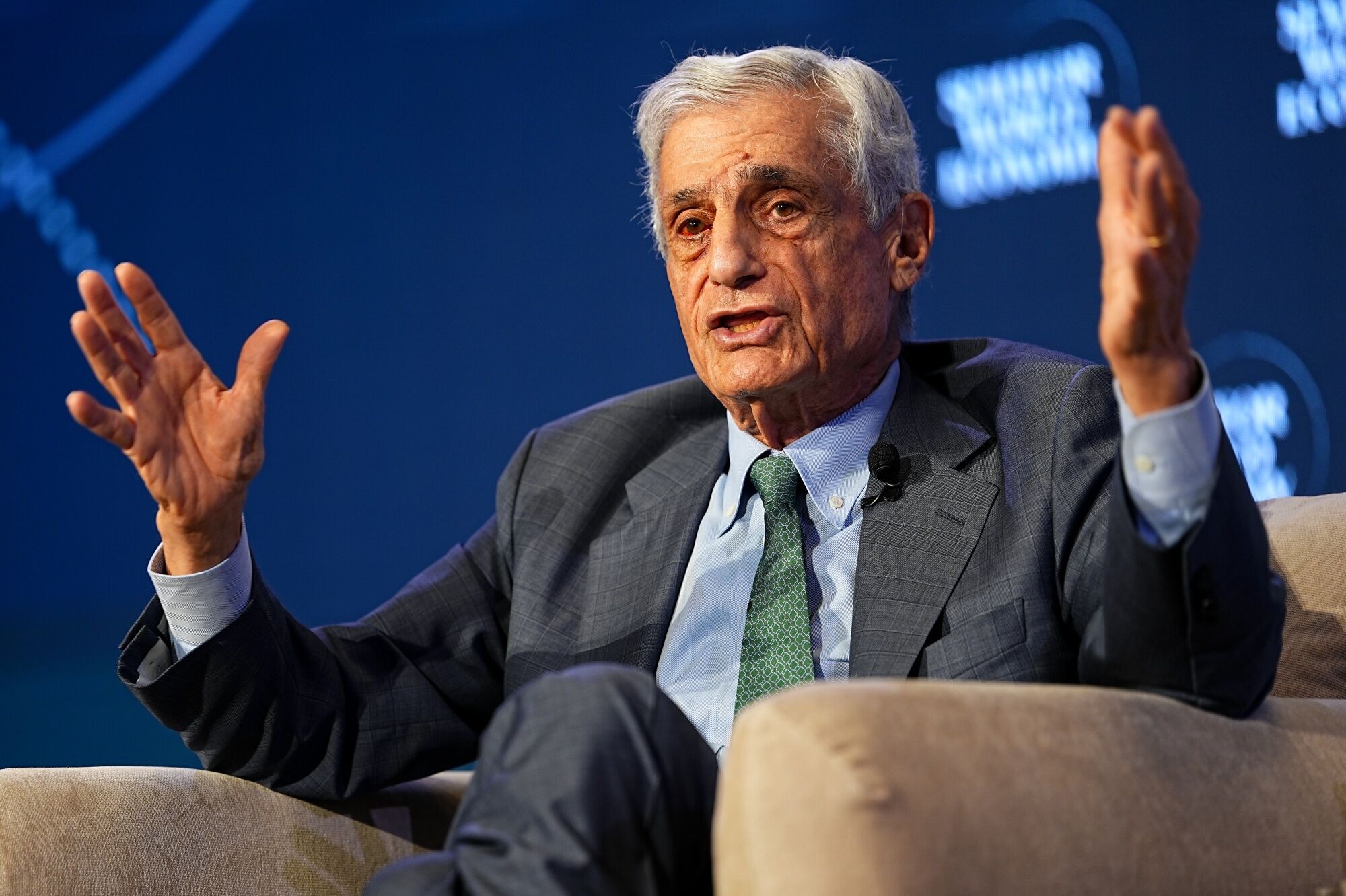
(Bloomberg) -- Former Treasury Secretary Robert Rubin warned that the artificial-intelligence investment boom could bring major productivity gains but also create financial and social risks that markets may not be fully pricing.
Rubin, who served as Treasury chief during the internet boom in the late 1990s, said he's particularly concerned about "circularity risk" in the AI ecosystem. The term refers to the overlapping of commitments among suppliers, customers and investors — such as between chipmakers and software firms.
"Some of these very big AI companies have enormous commitments, and then there are a lot of suppliers, and a lot of suppliers have borrowed against those commitments," Rubin said in an interview at the Greenwich Economic Forum Tuesday. "What happens if they can't fulfill those commitments or all those borrowed against them? It's called circularity risk."
The risk of some disruption — where one party breaks its commitments, causing cascading failures — is meaningful, according to Rubin. The former Goldman Sachs co-chairman described it as not "near zero."
The scale of debt issuance this year by firms building data centers and developing AI software has been such that many market participants say it's contributed to an increase in borrowing costs globally. Benchmark government bond yields have climbed further this week, with 10-year Treasury rates hitting their highest level since 2002.
That's in turn propelling government debt servicing costs, stoking concerns about fiscal sustainability in the US, France and elsewhere. Rubin, who joined President Bill Clinton's administration at a time when worries over budget deficits were widely shared, said angst over the scale of borrowing is beginning to be evident.
"I think what's happening right now is some realization about our fiscal situation beginning to affect markets in a way it hasn't for a long time," he said.
He also pointed to inflation and a broader loss of confidence in the government's ability to address fiscal problems. "When you have adverse or unstable fiscal conditions, it can affect confidence more broadly in the ability of your government to deal with this problem," he said.
Topics in this story
Gathered from external sources. Rights to this text belong to whoever originally published it.