Meta, Snap head back to LA court for social media addiction trial: What to know
The social media giants Meta and Snap are heading back to court this week for the latest trial in a lawsuit that alleges their platforms were intentionally designed to be addictive for young users. Jury selection begins in Los Angeles Superior Court on Wednesday for a case brought by two teenage plaintiffs referred to as…
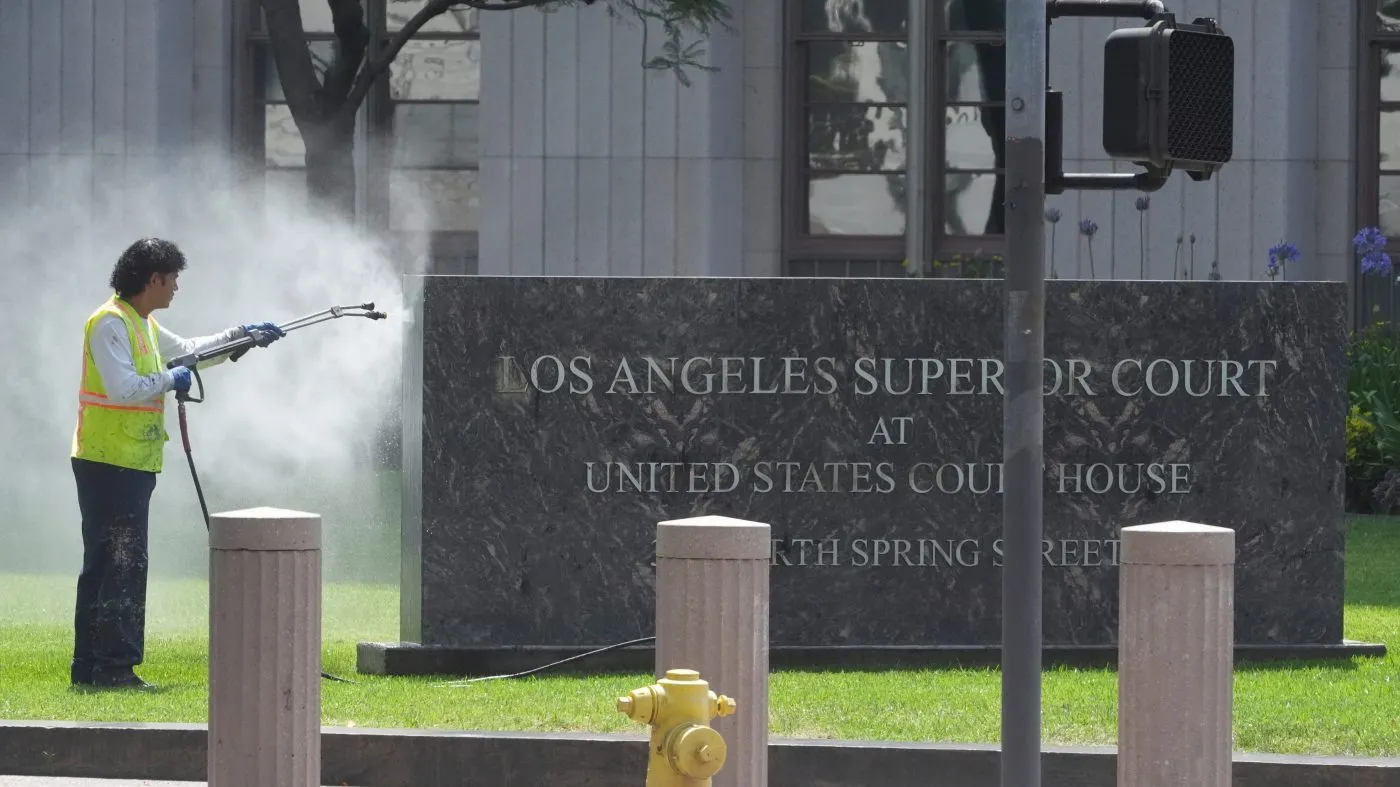
The social media giants Meta and Snap are heading back to court this week for the latest trial in a lawsuit that alleges their platforms were intentionally designed to be addictive for young users.
Jury selection begins in Los Angeles Superior Court on Wednesday for a case brought by two teenage plaintiffs referred to as S.J. and K.D.B. The plaintiffs argue the design of the companies’ social media platforms caused or contributed to “serious mental health injuries they suffered as adolescents.”
The bellwether case is among the thousands of claims brought against social media companies over the design of their platforms in recent years. The slated trial will mark the third of its kind this year.
Trial consolidates claims from two plaintiffs
According to attorneys for S.J., the teenager from Illinois started using Snapchat at a young age, accessing app features like “Snapstreaks” and “Snapscore,” along with filters and push notifications. These features, attorneys allege, played a role in her compulsive use of Snapchat and played a role in S.J.’s depression, eating disorder, anxiety and self-harm.
Like S.J., K.D.B., an 18-year-old from Mississippi, said she started using Instagram and Snapchat as a child. Citing features like streaks, endless scrolling, view counts and likes, K.D.B. alleges the products worsened her mental health, playing a role in her eating disorder, suicidal thoughts, depression and self-harm.
Both plaintiffs also sued TikTok and YouTube but reached settlements with the platforms in the weeks ahead of the trial. Meta and S.J. also reached a settlement last week, her attorneys said.
The platforms “intentionally designed their products to maximize users’ screen time, using complex algorithms designed to exploit human psychology and driven by advanced computer algorithms and artificial intelligence available to two of the largest technology companies in the world,” attorneys wrote in the complaint shared with The Hill.
“Defendants have progressively modified their products to promote problematic and excessive use that they know threatens the actuation of addictive and self-destructive behavioral patterns” they added.
Opening statements are expected to begin on Nov. 4, and the trial is expected to last through mid-December, according to attorneys. The case will be tried before Los Angeles Superior Court Judge Carolyn Kuhl.
Meta and Snap asked Kuhl to split the lawsuits into two separate trials, but no ruling was released ahead of Wednesday.
As seen in other online kids safety trials this year, the Los Angeles jury will hear testimony from multiple tech executives, including Meta CEO Mark Zuckerberg, Snap CEO Evan Spiegel and Adam Mosseri, the head of Instagram, next month.
This will mark Zuckerberg’s second appearance in Los Angeles just 10 months after he testified in the first bellwether case that Meta eventually lost. While on the stand last February, the CEO was grilled on young people’s use of Instagram and whether he believes Meta’s platforms deliberately addict and harm children.
Just a day before Meta reached a landmark settlement with nearly every attorney general in the country in August, Mosseri took the stand, telling the court Meta introduced a “Take A Break” pop-up feature on Instagram in 2021 to help teens control their time spent on the app, but it had lower uptake than the executive hoped.
Zuckerberg was supposed to testify in this trial, but the settlement was reached ahead of his appearance.
While Spiegel has testified in high-profile congressional hearings, his expected appearance will mark his first trial testimony.
Ahead of the trial’s start Wednesday, a Snapchat spokesperson stated Snapchat was “built differently” from traditional social media platforms, arguing the claims “fundamentally misrepresent the plaintiffs’ experiences” on the platform.
Snapchat “opens to a camera, not a feed, not a ranking of what other people post or other social comparison metrics,” the spokesperson said. “We have built safeguards into the platform, introduced safety tools and educational resources, and we believe the evidence will support that we have put our community first.”
Snap said its argument is backed up by independent research, citing a study from the University of Amsterdam that found Snapchat was the only major social media platform to have a positive impact on adolescent well-being and friendship closeness.
A spokesperson for Meta said the firm disagrees with the allegations, writing in a statement to The Hill, “A young person’s mental health is shaped by many factors, as the evidence in this trial will show. The plaintiff used TikTok far more than Instagram or Facebook, and her personal circumstances were a substantial factor in her struggles.”
The latest trial is following a similar playbook used earlier this year by winning plaintiffs, who targeted the social media companies over the design of the platforms, rather than the content posted by users.
Tech firms have typically avoided liability thanks to Section 230 of the Communications Decency Act, which largely protects them from being held legally responsible for third-party or user content. This 1996 provision was written ahead of the creation of most social media.
Meta lost two back-to-back kids online safety trials last March, including in New Mexico, where the company was ordered to pay the state $567 million. A day after this decision, a California jury determined in a separate case that Meta and YouTube were negligent in their design or operation of the platforms and ordered the companies to pay a combined $6 million.
The verdicts sent a warning shot to Big Tech , as they marked the first time juries found the social media platforms liable for their impact on kids and teens. Legal experts told The Hill the successful verdicts could pave the way for trials to get past the Section 230 shield.
Since then, several social media firms have settled similar cases before they could reach the court. Weeks before a trial slated for June, Meta, YouTube, TikTok and Snapchat settled a suit alleging the firms intentionally designed platforms to keep kids engaged, prompting mental health issues.
And in August, Meta agreed to an $18 billion settlement for similar claims, ending a high-profile trial that was already underway in California. The settlement involved 47 U.S. states, three territories and the District of Columbia after Meta said it approached “nearly every state” to collaborate on a safety framework.
The settlement includes a monetary payment of up to $17 billion dispersed to the states over the next decade. The money goes to state efforts to prevent or reduce mental health or other harms associated with social media use. Meta also agreed to pay Texas more than $1 billion over similar allegations .
The company also agreed to set default daily time limits of two hours for users younger than 18 that can only be lifted by a parent, and it introduced blocks during the nighttime and blocked notifications during school hours.
Meta’s spokesperson touted these changes, stating the company “hopes the rest of our industry joins us in setting this new standard.”
Topics in this story
Gathered from external sources. Rights to this text belong to whoever originally published it.