Newborn hepatitis B vaccination rates dropped sharply after RFK Jr.-led confusion
Far fewer newborns are being vaccinated against hepatitis B, according to a new study, as parents continue to reject an immunization once considered routine. The rate of infants who received the hepatitis B Virus (HBV) vaccine fell to 65.6 percent in 2026, down from around 80 percent from 2020 to 2022, according to a study…
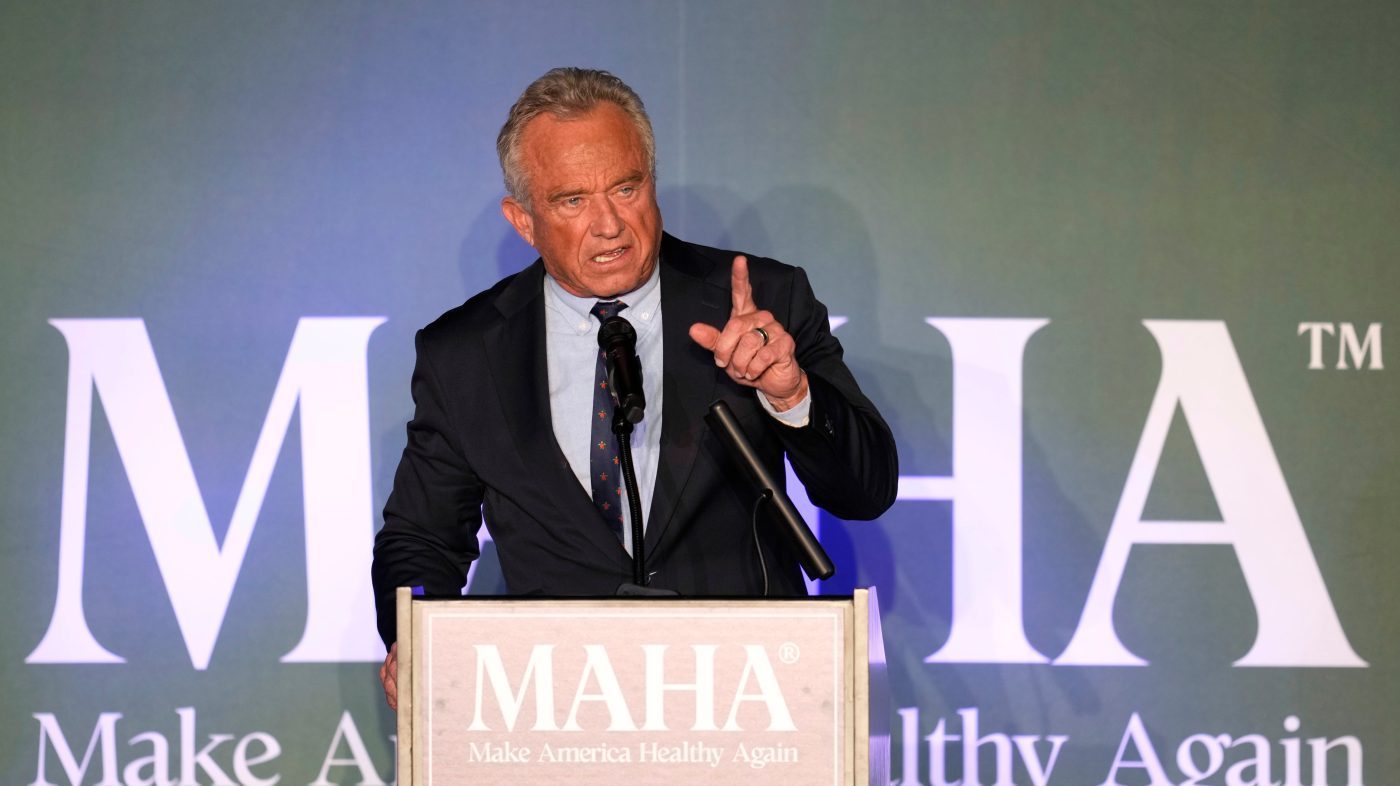
Far fewer newborns are being vaccinated against hepatitis B, according to a new study, as parents continue to reject an immunization once considered routine.
The rate of infants who received the hepatitis B Virus (HBV) vaccine fell to 65.6 percent in 2026, down from around 80 percent from 2020 to 2022, according to a study published Tuesday in The New England Journal of Medicine.
The birth dose protects infants against hepatitis B infection and can serve as a safety net for babies of mothers who don’t know they’re infected with the virus and unknowingly transmit it during childbirth.
The research was based on data from Truveta, a healthcare and analytics company, which included health information on 140 million people in the U.S.
The researchers analyzed more than 1.3 million infants born between January 2018 through June 2026 and found that newborn HBV vaccination rates increased from 76 percent in 2018 to 80 percent in 2022 before declining in mid-2023.
But the drop off accelerated substantially after Health and Human Services (HHS) Secretary Robert F. Kennedy Jr. took office, and his reconstituted vaccine advisory panel overhauled the childhood vaccine schedule.
The study findings likely reflect “continuing vaccine hesitancy and confusion among parents after recent changes in recommendations for newborn HBV guidelines,” the researchers wrote.
Dr. Nina Masters, one of the study’s authors and a principal applied research scientist at Truveta, called the shift “substantial.”
“This decline really outpaces the decline that we saw for other vaccines, so it was a bit shocking to see just how far vaccination rates have fallen,” Masters said.
The study follows a decision from the Centers for Disease Control and Prevention’s (CDC) vaccine advisory panel at the end of last year to reverse its universal recommendation for HBV at birth, which has been in place since 1991.
On Dec. 5, the Advisory Committee on Immunization Practices (ACIP) issued a new recommendation that parents consult with a doctor about whether or not their child needs this shot within the first 24 hours after birth if the mother does not test positive for HBV.
The panel and its recommendations are tied up in court, but the recommendations sowed confusion among parents.
“We can surmise that there’s a lot of vaccine hesitancy out there,” Masters said.
While ACIP’s new advisory still recommends vaccination for infants whose mothers test positive for HBV, the study found that there was also a drop-off in HBV immunizations among this population this year.
Vaccination for children born to HBV-positive mothers fell from between approximately 97 to 98 percent from 2020 to 2025 to 93.9 percent in 2026.
The long-term effects of this declining vaccination rate remain to be seen. HBV spreads through contact with infected blood and can cause acute or chronic liver infection.
Around 640,000 people in the U.S. who are 20 years or older are living with chronic, or long-term, hepatitis B, according to a CDC estimate earlier this month. If untreated, this virus can cause liver damage, cirrhosis, cancer and death.
“This birth dose hepatitis B vaccination is really a safety net,” Masters said. “If the mother is infected with hepatitis B, it’s very effective at preventing perinatal transmission, and if that infant does get perinatally infected with hepatitis B, there’s a strong chance of chronic hepatitis B infection.”
Cases of acute hepatitis B fell dramatically in children after the CDC began recommending a universal birth dose in 1991 — falling 99 percent from 1990 to 2019.
The report falls across a backdrop of vaccine skepticism that has also been tied to rising measles cases in the country this year in states like Texas, New Mexico, New York, Pennsylvania and Wisconsin.
The CDC reports there have been 5,838 confirmed measles cases in the U.S. this year — more than double the number reported last year. The U.S. lost its measles elimination status , a distinction it has maintained since 2000 , after experiencing 12 months of sustained domestic transmission.
Topics in this story
Gathered from external sources. Rights to this text belong to whoever originally published it.