Bill Ackman says the U.S. economy could be headed for another recession—and is blaming Kevin Warsh’s Fed
“The Fed will put the U.S. and [the] world in recession if it continues to raise rates in a failed attempt to drive inflation to 2%,” Ackman concluded.
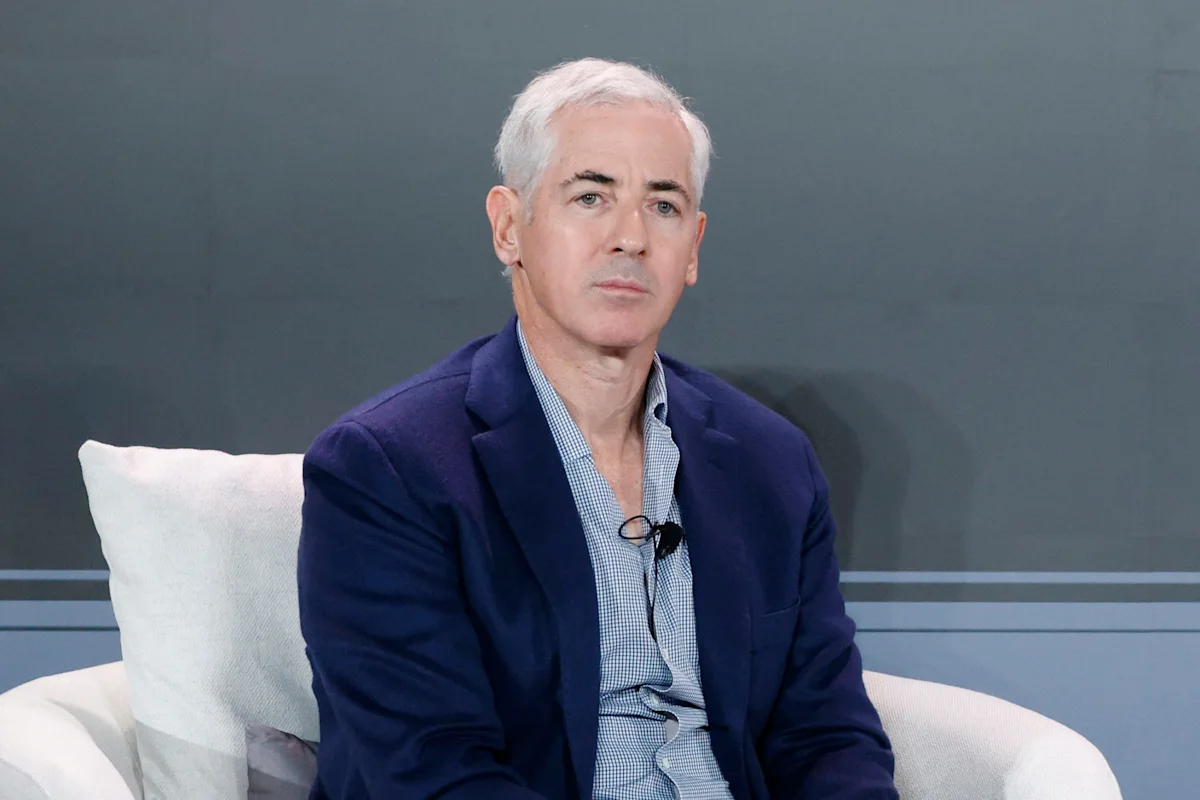
With the stock market posting a remarkable rebound in the past 24 hours, and the outlook relatively rosy heading into 2027, there's little to tip the wings of investors right now. And yet, whispers of a dreaded recession are coming from figures that Wall Street cannot afford to ignore. Among those sounding the alarm is Bill Ackman, the hedge fund titan who leads Pershing Square. Ackman's concerns lie with the Federal Reserve, and whether it will raise rates at its next meeting in the second week of December.
Ackman wrote on X that financial conditions have already tightened significantly courtesy of the bond market, making borrowing even more expensive for private businesses seeking to invest. Capital expenditure, in AI infrastructure in particular, has been a key driver for the U.S. and global economy for the past year.
"The Fed's 2% inflation ambition is misguided. Geopolitical risk and the required investment in global military spending, deglobalization and tariffs, and the massive AI infrastructure and related energy investment are features of the world that did not exist when the 2% target was set," he said earlier this week (ahead of Jensen Huang's return to chipmaker Nvidia , which prompted a swift turnaround in stock market futures).
"Three percent inflation is a more realistic ambition in the new world," he said.
Ackman's call to end the Fed's 2% inflation target would have far-reaching implications, if implemented. For one, Federal Reserve Chairman Kevin Warsh has made it clear he wants to give consumers and businesses a break from prices rising comfortably above the 2% benchmark. According to the Bureau of Labor Statistics' most recent data, inflation is 3.7% annually.
Economists could make a plethora of arguments as to why a 2% target was introduced and should stay in place, but chief among them would also likely be the Fed's credibility. As Warsh learned this year, if markets perceive any weakness in the central bank's commitment to the 2% target, they will raise their inflation expectations in the longer term. This summer, that meant bond prices rose—Ackman's very concern.
And yet, a realist might argue that macroeconomic conditions at present make it practically impossible for the Fed to bring inflation back to 2%—while also being mindful of the other side of its mandate: to maintain employment levels. Apollo's chief economist, Torsten Slok, noted earlier this month that, according to its modeling, the Fed would need to raise the base rate by approximately 275 basis points (from roughly 4% at present to 6.75% by the end of 2027) to bring the consumer price index back to its 2% target.
Topics in this story
Gathered from external sources. Rights to this text belong to whoever originally published it.