Trump just banned Canadian booze — but there’s a big catch
President Donald Trump’s ban on Canadian booze kicked in on Tuesday, an unprecedented move that underscores the breakdown in one of the closest trading relat...
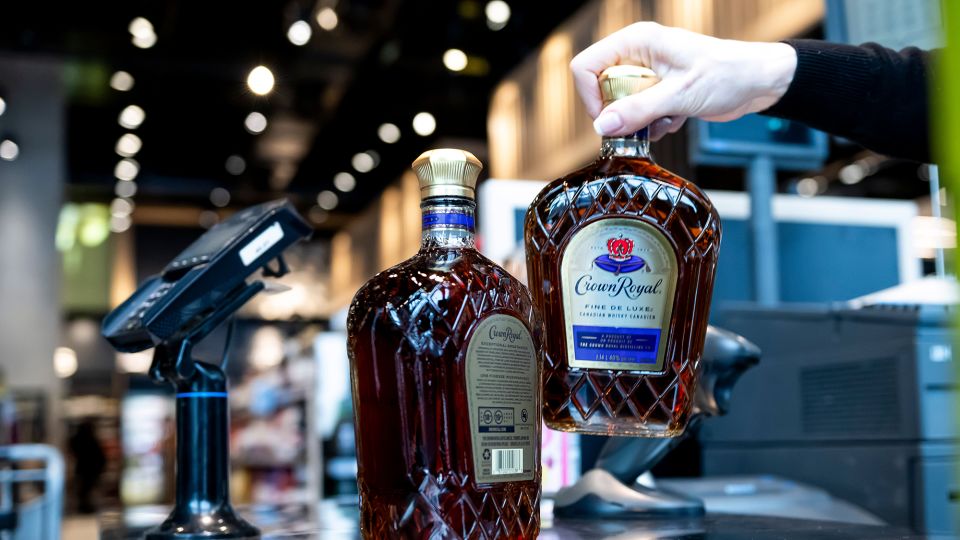
President Donald Trump's ban on Canadian booze kicked in on Tuesday, an unprecedented move that underscores the breakdown in one of the closest trading relationships in the world.
The ban, which impacts $800 million worth of Canadian alcoholic beverages the US imported last year, marks the latest salvo in a tit-for-tat trading war that already includes sky-high tariffs and a ban on US booze in Ontario and other Canadian provinces.
However, experts say most American shoppers are unlikely to immediately notice the ban, in part because of workarounds, exemptions and the fact that distributors have had time to stock up on imported Canadian alcohol before the ban took effect.
At the same time, with the quickly evolving trade picture with Canada, anything can change on a moment's notice. Hours before the ban took effect, Trump said he is confident the US will come out ahead, and expects Canada to come to the US with a deal soon.
"They want to have a deal with us, they call us all the time. The problem is that they've treated the United States very unfairly," Trump told reporters on Monday.
"Over the next three or four weeks, they're going to come to us and they're going to say, 'We're going to get rid of all the tariffs,'" Trump said. Canadian Prime Minister Mark Carney has not said anything to that effect , however.
Whisky and liqueurs, two of Canada's top alcoholic beverage exports to the US, are exempt from the ban when sold in containers larger than four liters. In those cases, they also won't face any tariffs.
But making that switch requires having the right containers on hand or sourcing them from scratch, then rebottling smaller sizes more commonly sold in liquor stores. All that could add to businesses' costs – and potentially get tacked on to the prices consumers pay.
Crown Royal appears to be especially well-positioned since the company already sends bulk shipments of whisky to the United States, where it bottles all products sold domestically.
Beyond bulk exemptions, very few alcoholic beverages shipped from Canada were spared.
"Using import bans against an ally is unprecedented and a major deviation from US trade policy," said Inu Manak, a senior fellow focused on trade policy at the Peterson Institute for International Economics. "This is a very symbolic thing to target. It sends a message and is another form of escalation aimed at getting Canadian negotiators back to the table. But Prime Minister Carney is not in a rush to get a deal before the (US) midterms."
Topics in this story
Gathered from external sources. Rights to this text belong to whoever originally published it.