The Fed was bullied into hiking rates. Now it hopes it didn’t royally screw up
The bond market gave the Federal Reserve an ultimatum: Raise rates, or we will.
The bond market gave the Federal Reserve an ultimatum: Raise rates, or we will.
So the Fed did the only thing it could do. Backed into a corner by rising Treasury yields and inflation, the central bank boosted its target interest rate Wednesday for the first time since 2023.
Americans have suffered from a persistent inflation problem for five years, and an interest rate hike is a powerful weapon that could help squash it. But it's a blunt tool that comes with a nasty side effect: It can unintentionally turn the job market into collateral damage.
Still, for Fed Chairman Kevin Warsh & Co., this isn't any ordinary inflation problem. It's mainly a result of high energy prices caused by the war with Iran, and as my colleague Matt Egan noted in July: Warsh can't reopen the Strait of Hormuz .
So the bond market got its wish Wednesday, and the reasonably strong job market and robust consumer spending probably gave the Fed enough room for error.
But the Fed is playing with fire. Raising interest rates risks slowing down the American economy without anything to show for it.
Before the Fed decision, some prominent economists were already on its case.
Goldman Sachs economists suggested in a note to clients this week that the case for a rate hike was "weak," based on the state of the US economy. They argued the economy wasn't overheating, demand wasn't excessive, and the supply shocks fueling inflation – namely high oil and fuel prices – would correct themselves once the war ended.
It's not that the Iran war and Ukraine's attacks on Russian diesel refineries are part of the problem; they are the problem – all of it, Goldman's economists said.
The Fed typically "looks through" supply shocks because they're temporary and rate hikes are ineffective at combatting them. And once they fix themselves, the Fed may find that interest rates now are too high, artificially raising borrowing costs for businesses and consumers without actually tackling inflation.
" The Fed cannot control energy prices," said Michael Pearce, chief US economist at Oxford Economics. "The economy is solid and can withstand a few rate hikes, but the risk is higher interest rates begin to weaken the labor market."
Warsh disagrees . Lower prices will benefit consumers, who will spend more and fuel economic growth, he argued.
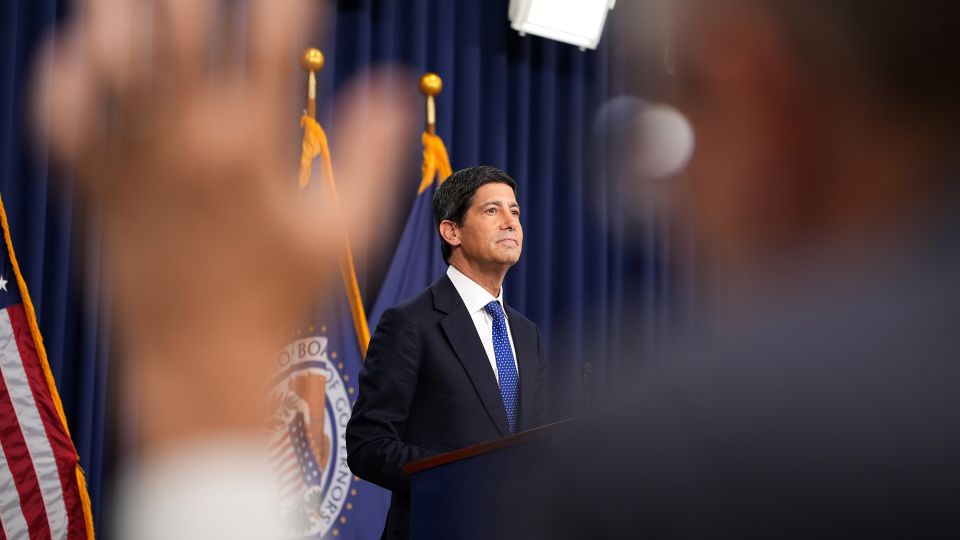
"I don't believe that we need to do harm to the labor markets to achieve our objective," he said in a press briefing Wednesday. "And the job we did today, the job we will continue to do, is to ensure price stability, which can mean that sustainable, durable, economic growth can go on for longer, the economy can be stronger, and as I mentioned before, the least well-off can get the benefits of it."
Topics in this story
Gathered from external sources. Rights to this text belong to whoever originally published it.