Bessent: We can grow our way out of debt with 3% GDP growth
"We don't have a revenue problem. We have a spending problem," Scott Bessent said during a Q&A in Dallas on Tuesday.
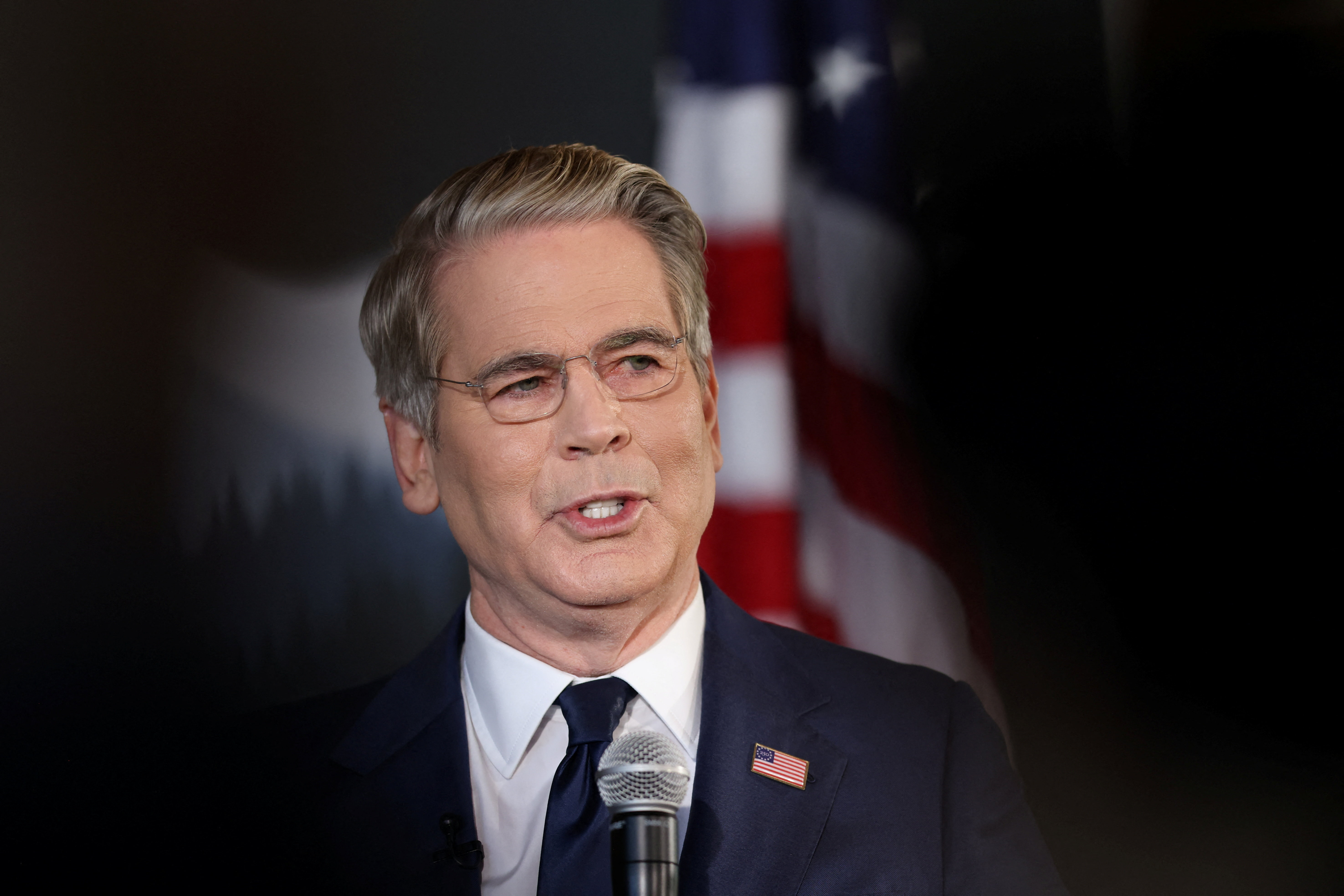
Treasury Secretary Scott Bessent said Tuesday that he believes the US can grow its way out of debt if it can achieve annual economic growth of 3%.
"We don't have a revenue problem. We have a spending problem," Bessent said during a Q&A at SMU Cox School of Business in Dallas. He said if the US tries to contain spending coupled with 3% growth, "we [can] grow our way out of this."
The total US national debt recently surpassed $40 trillion , and the annual fiscal deficit is projected to top $2 trillion by the end of the fiscal year on Sept. 30.
"We'll get to the other side of this Iran conflict and the underlying economy is very, very strong, and I think reaccelerating," he added, pointing to how incentives in the big tax law passed last year are leading to new construction of manufacturing plants, pointing to Pepsi ( PEP ) expanding a Frito-Lay plant in Arizona, Winnebago ( WGO ) buying a battery plant, and Boeing ( BA ) increasing capacity of its Dreamliner.
On the spending side, Bessent said he's been working with the director of the Office of Management and Budget, Russ Vought, on a fiscal consolidation plan to bring the deficit down. He noted he would prefer not to rush it through a lame-duck Congress if Democrats take back one or both houses of Congress in the upcoming midterms.
He also said that if not for the Supreme Court striking down President Trump's "Liberation Day" tariffs, the US would have been collecting $180 billion to pay down the deficit.
Bessent also pointed again in the interim to buying back long-term Treasury bonds .
"Interest rates are high, but … we're going to do more bond buybacks, which is just taking the most liquid portion of the bond market, liquefying it, and giving the bond buyers money to buy more," Bessent said.
Current interest rates, he said, are the most correlated that they've been with energy prices, and he thinks that will break. In a year or two, he said, the market will be oversupplied with oil, given the energy relationship the US is building with Venezuela now and as things normalize in the Middle East.
Jennifer Schonberger is a veteran financial journalist covering markets, the economy, and investing. At Yahoo Finance, she covers the Federal Reserve, Congress, the White House, the Treasury, the SEC, the economy, cryptocurrencies, and the intersection of Washington policy with finance. Follow her on X @Jenniferisms and on Instagram .
Topics in this story
Gathered from external sources. Rights to this text belong to whoever originally published it.