Further Oil Price Spikes Could Rekindle Recession Fears
Surging oil and fuel prices have revived inflation and recession fears, with Brent and WTI above $100 and U.S. diesel hitting a record $6 per gallon.
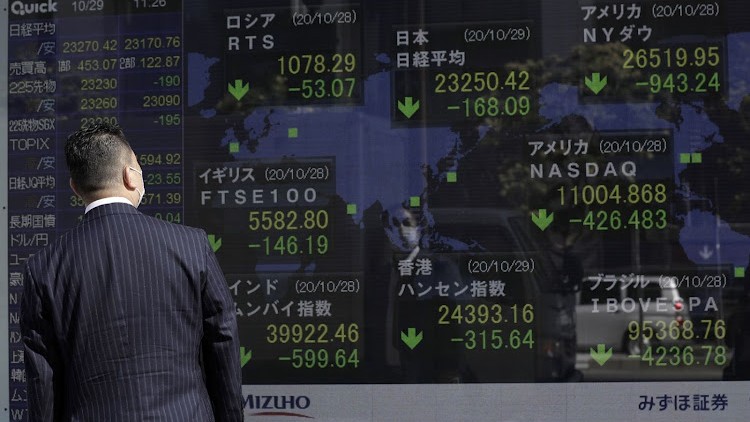
This week's oil price surge sharply raised the odds of a Fed interest rate hike next week and re-launched the recession conversation, for the first time since the early weeks of the Iran war.
The price spike this week saw Brent Crude prices topping $100 per barrel for the first time since July and the U.S. benchmark, WTI Crude , exceeding $100 a barrel as well, after the U.S.-Iran tensions escalated again with no talks of a deal in sight.
For six months during the Iran war, the global and U.S. economies have remained resilient in the face of the worst energy market disruption in history, with oil and LNG flows choked at the Strait of Hormuz.
Many countries released oil stocks from strategic reserves to fill the gap left by the restricted supply from the Middle East, China slashed its crude oil imports and limited fuel exports, and demand destruction through the high oil and fuel prices did the rest of the work to keep the oil market relatively subdued since March, with occasional spikes when tensions flared up in the Persian Gulf.
Most of these cushions have now vanished. In the United States, for example, crude stocks in the strategic reserve are at their lowest level since the early 1980s.
Separately, China eased its restrictions on fuel exports and returned to buying more crude, with imports rebounding from the decade-low seen in June.
Crude flows from the Strait of Hormuz have somewhat recovered to an estimated half to two-thirds of pre-war levels, but fuel supply remains severely limited. Combined with refineries outside the Middle East and Russia unable to offset the loss of supply from these two regions, the stress in fuel markets became much stronger than on crude oil prices.
As a result, diesel and gasoline prices rallied at the end of the summer, with U.S. gasoline prices at a record high for this time of year, when they would typically drop due to lower seasonal demand.
The price of diesel, the main fuel of the economy, has just hit the $6 per gallon average in the United States for the first time ever, after breaking the all-time record of $5.85 last week.
The spike in crude and fuel prices are pushing up Treasury yields and longer-term borrowing costs, while the Fed could move to anticipate an inflation shock by raising its key interest rate as soon as next week.
The word 'recession' started creeping into the conversation, again.
It's a very distant prospect, for now, but should oil and fuel prices spike further, the odds would rise, according to Goldman Sachs.
Topics in this story
Gathered from external sources. Rights to this text belong to whoever originally published it.