Flock contract cancellations grow among cities, other jurisdictions
Two Phoenix, Ariz. suburbs became the latest municipalities Wednesday to terminate their contracts with Flock Safety, cancelling their use of the company’s automated license plate readers (ALPRs) that have drawn widespread privacy concerns. The city of Tempe, which had an $80,000 contract with the company, said it would turn off all of its Flock cameras…
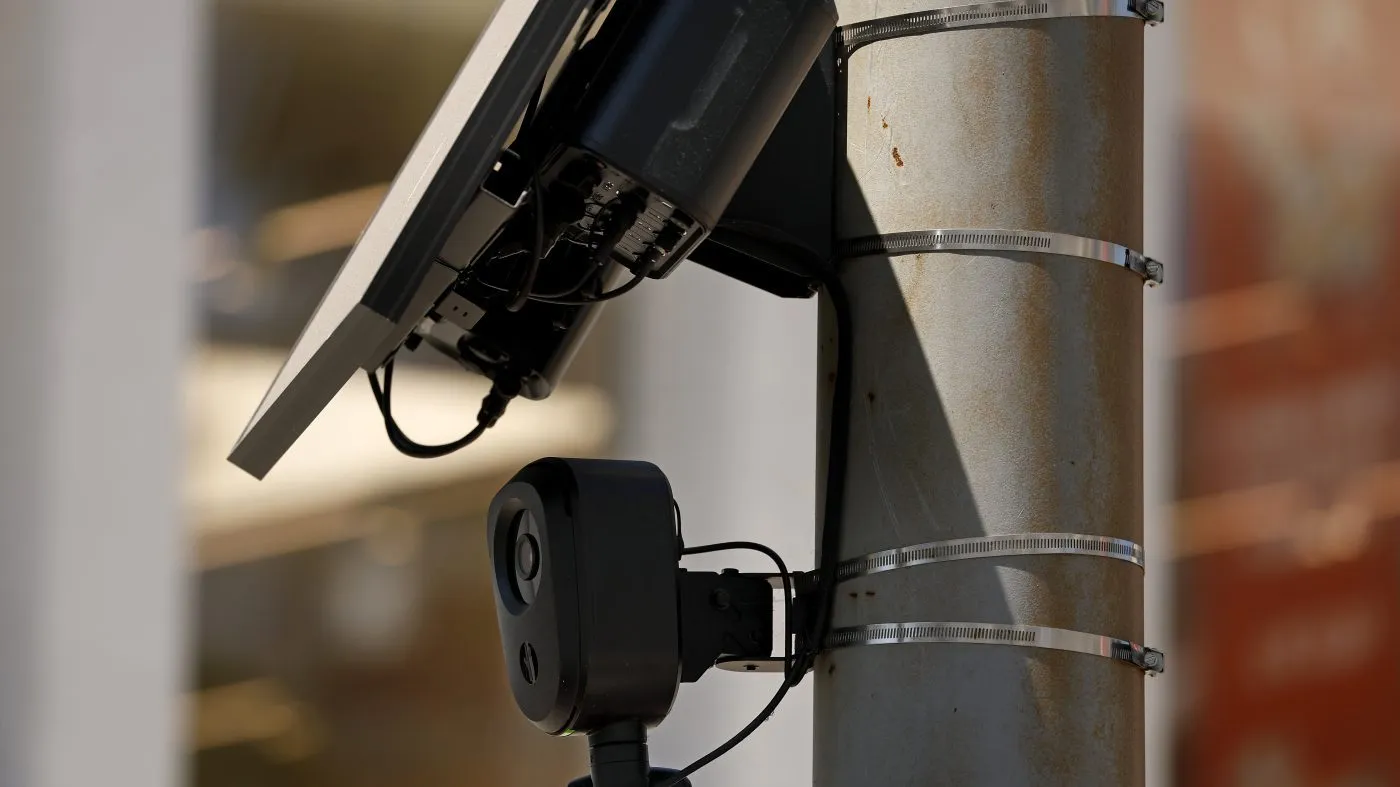
Two Phoenix, Ariz. suburbs became the latest municipalities Wednesday to terminate their contracts with Flock Safety , cancelling their use of the company’s automated license plate readers (ALPRs) that have drawn widespread privacy concerns.
The city of Tempe, which had an $80,000 contract with the company, said it would turn off all of its Flock cameras due to mounting reports of data “misuse” in other regions. Three hours later, the nearby town of Cave Creek also announced it had ended its contract with Flock and completely removed the technology.
“While the cameras have been a useful tool for Tempe … recent cases involving the misuse of automated license plate reader systems in Arizona and nationwide have raised concerns about the risks that come with the technology,” Tempe wrote in a press release posted to social platform X.
The nearby town similarly wrote on X, “In light of several high-profile abuse cases reported locally and nationally, as well as a recent theft of a FLOCK camera … staff determined it was in the best interest of the community to discontinue the system.”
Flock offers a system able to recognize license plates immediately. The technology uses cameras and audio devices to record plate numbers, as well as identify what the company calls a “vehicle signature.” Though ALPRs do not collect any biometric data or facial recognition.
The company then shares vehicle information with other law enforcement agencies, creating a large network — more than 120,000 cameras in 49 states — to help solve crimes.
Over 90 cities, according to anti-surveillance organization DeFlock , have made moves to cancel or reject Flock license plate camera readers as of Wednesday.
An early August Washington Post investigation found more than 50 law enforcement officers had been accused, charged with or convicted of misusing ALPRs for unauthorized purposes — including to stalk past partners without their consent.
Florida Gov. Ron DeSantis called the increasing use of ALPRs “out of control” during a Wednesday press conference.
“I’m all about having law enforcement have tools to be able to hold criminals accountable,” DeSantis said, according to ABC7 Sarasota . “But I don’t want to have this become a surveillance state.”
Sen. Josh Hawley (R-Mo.) also launched an investigation Wednesday into Flock’s national surveillance network, naming multiple instances of “abuse and misuse of personal data.”
In his letter to Flock CEO Garrett Langley, Hawley cited a February case where a police officer allegedly searched his ex-girlfriend’s license plate number 124 times and her former boyfriend’s plate 55 times.
Flock announced changes to its privacy and data retention policies last week amid a growing number of lawsuits. It now requires agencies to implement an “Audit Assistance” feature, which spots abnormal activity and flags it for administrator review.
The policy changes also included a “proactive lockout” feature that automatically suspends access to Flock data if a user’s activity meets a threshold for abnormal behavior pending administrator review.
The American Civil Liberties Union, which has several pending cases against Flock, said the policy “seems positive at first blush,” but “the devil will be in the details” of its actual functionality.
A Flock spokesperson told The Hill Wednesday that, while the company respected the city of Tempe’s decision, it still maintains that the technology keeps communities safe.
“We believe Tempe could have preserved the system’s value in helping solve serious crimes while still respecting privacy, and taking that tool away does not make a community safer,” the spokesperson said.
This story was updated at 9:03 p.m. on Aug. 26, 2026.
Topics in this story
Gathered from external sources. Rights to this text belong to whoever originally published it.