The Fed's new chairman has a lot less to say than his predecessor: Chart of the Day
Fed Chairman Kevin Warsh's September speech was much shorter on words. He let the rate hike do the talking.
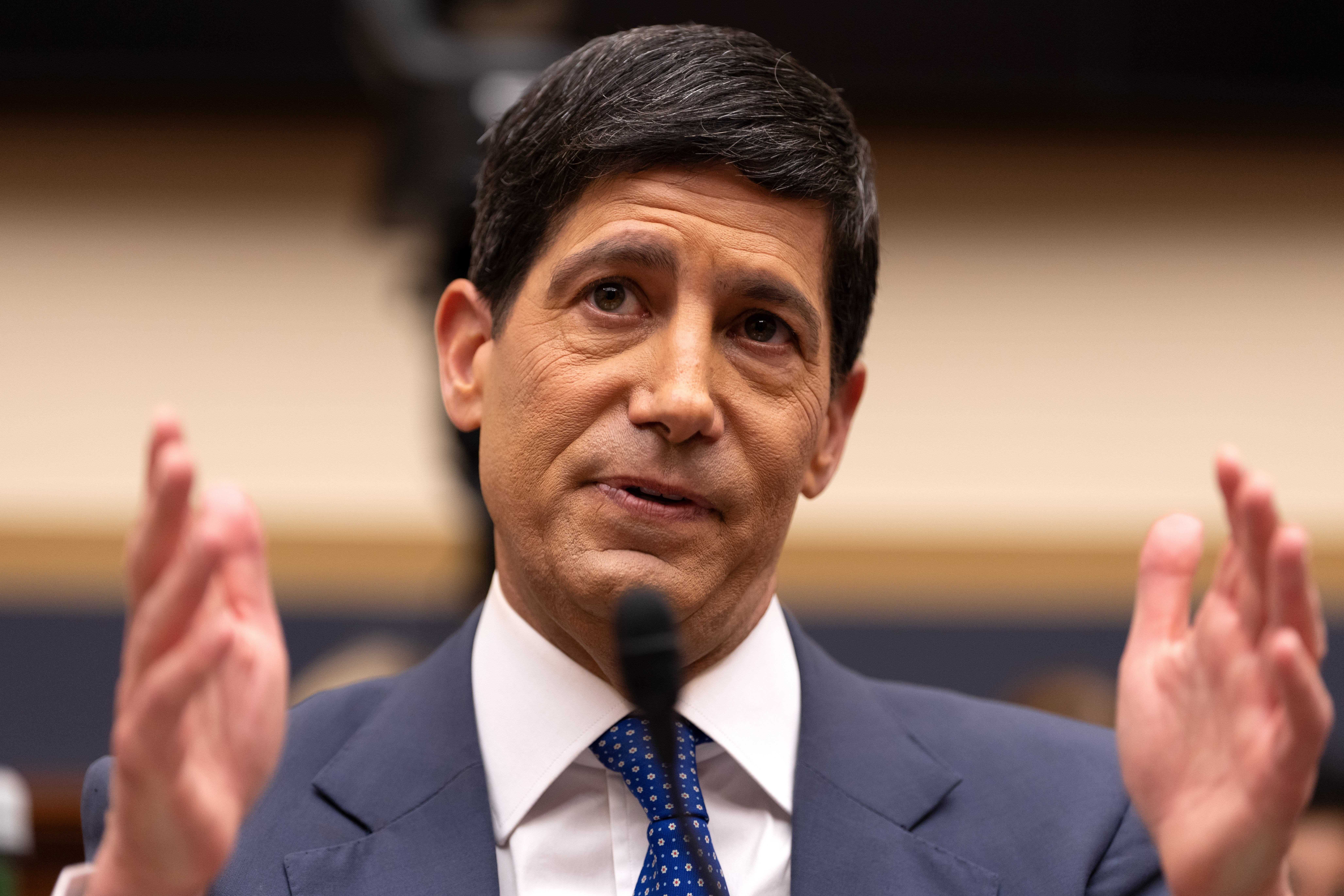
After the Federal Reserve delivered a rate hike earlier this month, nobody was sure how much more Fed Chairman Kevin Warsh would say at the central bank's press conference.
As it turned out, he said far less than in previous speeches — roughly 29% fewer words compared to his July press conference and roughly a third fewer words than at his June press conference, according to data compiled by Apollo. (Disclosure: Yahoo is a portfolio company of funds managed by affiliates of Apollo Global Management.)
Although stocks fell and bond yields rose following Warsh's September press conference, the market's revulsion was markedly less pronounced than in July.
"The bottom line is that Warsh is showing markets that the Fed can communicate clearly and concisely, with less noise and more signal," Apollo chief economist Torsten Sløk wrote in a note earlier this week.
The new Fed chair has explicitly moved away from issuing so-called forward guidance, which signals the Fed's future monetary policy path to the public.
The shift has sparked a debate over whether less guidance gives the Fed a flexibility advantage or simply leaves investors with more uncertainty.
Moody's chief economist Mark Zandi said he believes that the new Fed chair's communication strategy has contributed to pressure on long-term government bonds in recent months as global investors demand higher yields to compensate for greater uncertainty. On Tuesday, the 30-year Treasury bond yield ( ^TYX ) reached its highest level since 2002.
Former Boston Fed president Eric Rosengren noted the distinction between the Fed not sharing its future policy path forecast and failing to explain its reaction function, or how policymakers respond to incoming economic data.
"If you're not going to carefully explain your reaction function, what makes you move rates, then there's likely to be a premium built into the rate structure to reflect the uncertainty about how the Federal Reserve will react to incoming information," Rosengren said.
St. Louis Federal Reserve president Alberto Musalem offered a similar point on Tuesday , arguing that the Fed should explain "how and why" it makes policy decisions without promising a specific future rate path.
Less frequent or less detailed communication can also make individual Fed appearances more market-moving because investors have fewer opportunities to adjust their expectations in between major Fed events, argued Steve Sosnick, a chief strategist for Interactive Brokers.
Warsh's communication style is far from the only or the most significant contributor to this year's surge in bond yields. Economists and strategists appear to agree that rising oil prices from the US war in Iran, massive capital spending fueled by the artificial intelligence boom, and steadily rising global deficits each carry more weight as explanations.
Topics in this story
Gathered from external sources. Rights to this text belong to whoever originally published it.