'Flat-rate' COLA cuts Social Security for most Americans, critics say
A proposal to change Social Security COLAs aims to help low earners but critics warn it would cut benefits for most.
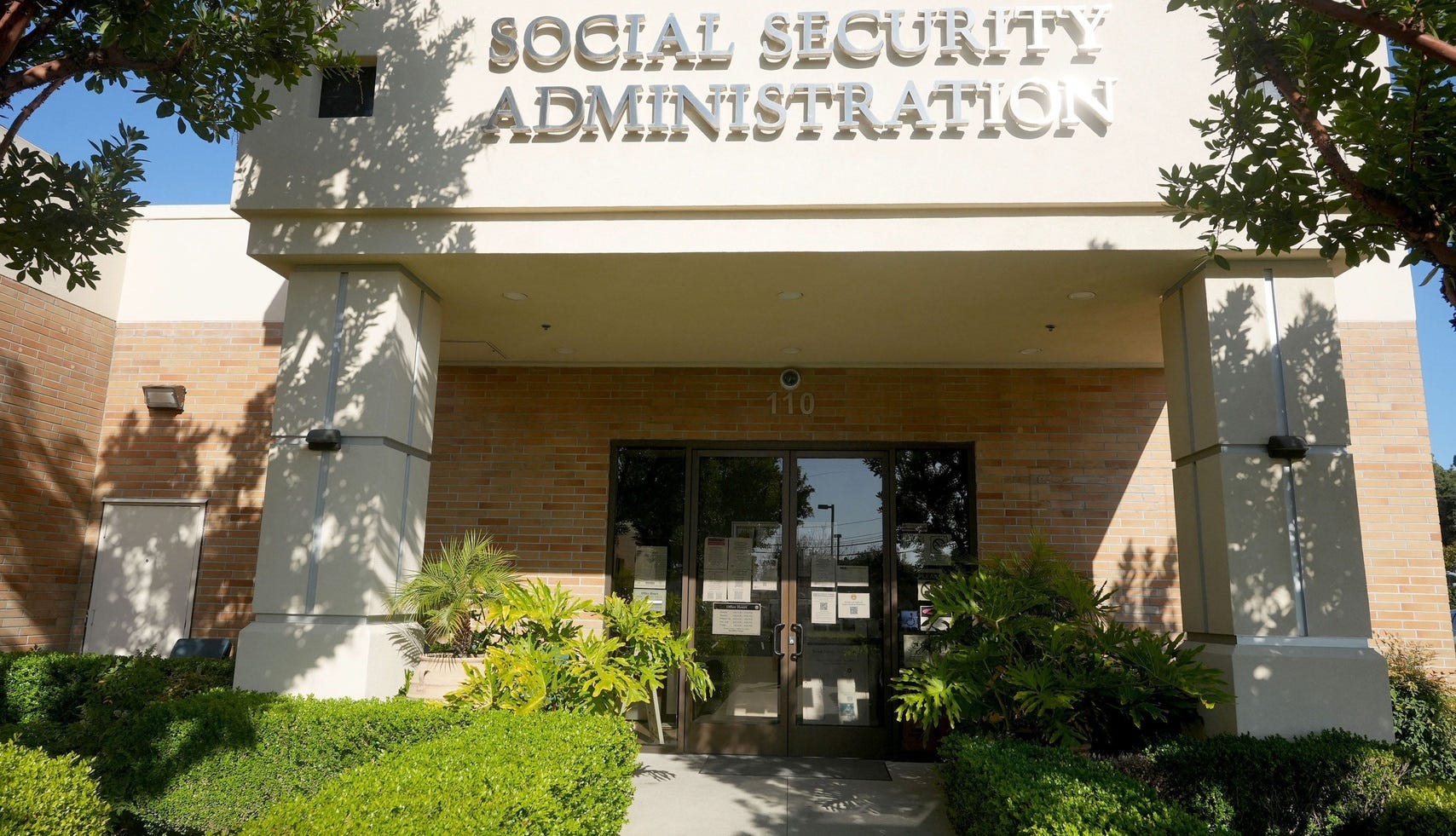
An old idea to increase all Social Security recipients' benefits by the same dollar amount each year is gaining traction, but some say this would be a disaster for middle-income Americans.
In 1987, former Democratic Rep. Tim Penny from Minnesota's 1st Congressional District proposed a " Flat-Rate COLA " that would pay all beneficiaries the same cost-of-living adjustment, or COLA. The COLA dollar amount would be set at the COLA received by a beneficiary at the 20th percentile. By doing this, lowest-income beneficiaries would receive larger benefits, poverty would be reduced, and Social Security's insolvency would be delayed, advocates said.
The trust fund that supplements incoming payroll taxes to pay monthly Social Security benefits is expected to run dry by the end of 2032, according to the program's trustees . When that happens, law requires benefits to be reduced by an estimated 22% to ensure the program's costs do not exceed its revenues.
But critics of the flat-rate COLA , like the nonprofit and nonpartisan AARP, calculate that 80% of beneficiaries would see the purchasing power of their benefits erode year after year, leaving many in or near poverty.
"For 80% of beneficiaries, the flat-rate COLA would erode the inflation protection that Social Security has always provided, and the impact would grow as people age," said AARP, which serves 125 million Americans age 50-plus and their families, in a blog . "Because the impact of COLA cuts multiplies over time, a flat-rate COLA would intensify financial hardship for many people in their 80s and 90s and for people who develop disabilities at relatively young ages."
How would a flat-rate COLA differ from current COLAs?
Currently, the Social Security Administration bases its COLA each year on average annual increases in the CPI-W, or the index for urban wage earners, from July through September. Every Social Security beneficiary's check is boosted by that COLA percentage.
In a flat-rate COLA, the percentage increase is calculated the same way, but it will only be applied to those in the 20th percentile. Whatever that dollar amount increase they receive, all Social Security recipients will receive the same that year, no matter what percentile they're in.
A flat-rate COLA set at the 20th percentile provides full benefits for two more years than what's currently predicted and is "highly progressive," the nonpartisan, nonprofit Committee for a Responsible Federal Budget (CRFB) said in an analysis .
Topics in this story
Gathered from external sources. Rights to this text belong to whoever originally published it.