GLP-1 drugs may help sleep apnea, but CPAP remains best treatment: Study
Weight-loss drugs may help reduce sleep apnea symptoms, but experts say they still can’t match the effectiveness of a CPAP machine.
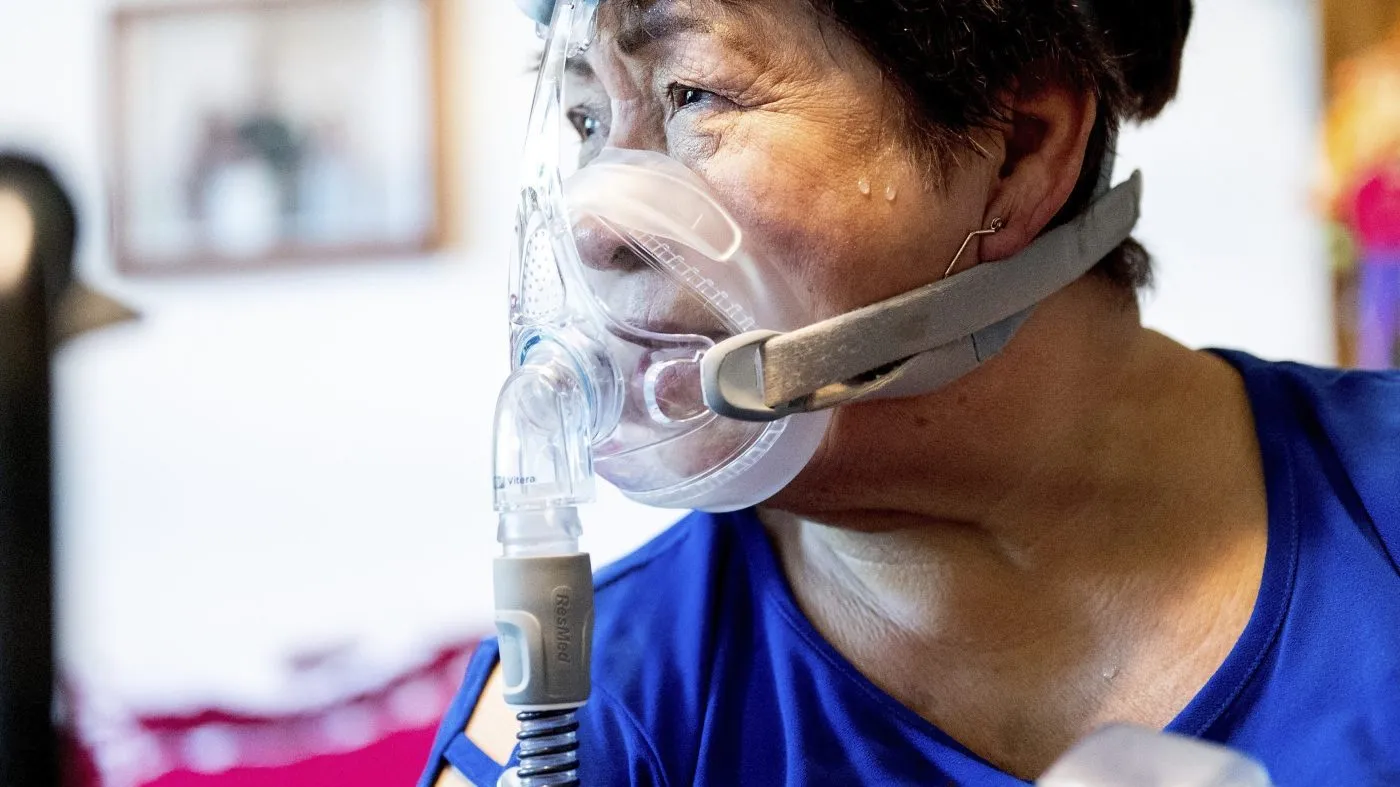
( NewsNation ) — GLP-1 medications continue to be discussed as a treatment option for obstructive sleep apnea , but researchers say CPAP remains the preferred treatment for the condition.
The review, published in JAMA Otolaryngology–Head & Neck Surgery , found that the weight loss drugs consistently reduce apnea-hypopnea index (AHI) scores, meaning patients experience fewer breathing interruptions during sleep.
Researchers said the effects were particularly strong in people taking tirzepatide (Zepbound, Mounjaro). The medications also appear to reduce tongue fat.
“Tirzepatide, however, addresses a single risk factor in the setting of OSA — obesity,” Dr. Ruchir P. Patel told Healthline. “There are other factors involved in the development of OSA, including structural anatomy unrelated to fat deposits that cannot be addressed by weight loss.”
The analysis also suggests GLP-1s could help stabilize breathing by altering the sensitivity of respiratory control systems. The drugs consistently reduced apnea and hypopnea episodes, ranging from six to 22 fewer events per hour.
CPAP machines reduce those same symptoms by about 31 events per hour.
“[W]e have known for many years through the bariatric surgery literature that significant weight loss does not always resolve OSA,” Patel added. “So, while symptoms may improve, the patient could still be at risk.”
Obesity is present in 60 percent to 70 percent of patients with OSA and represents the primary modifiable risk factor.
Topics in this story
Gathered from external sources. Rights to this text belong to whoever originally published it.