Why daylight saving time ended so early this year
Believe it or not, it’s time again for the twice-a-year clock change.
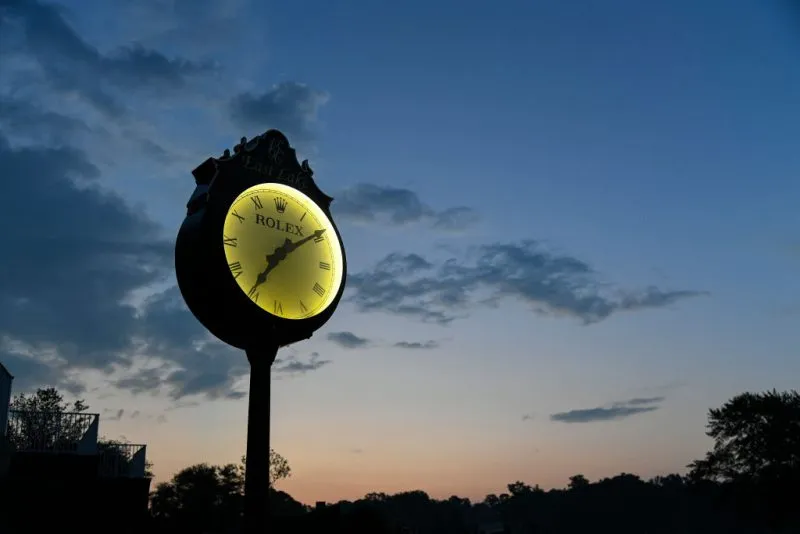
(NEXSTAR) – They’ve gone and done it again. If you weren’t awake at 2 a.m. Sunday, you missed the clocks “falling back” an hour as daylight saving time came to an end.
Of course, you may have noticed when you woke up and found the clocks in your house that don’t match the time on your phone or laptop. Maybe it was how high in the sky the sun was when you awoke, or how early it seems to set on Sunday night.
You may even catch yourself pondering whether it really is the end of daylight saving time in 2026 already.
It is, but you also aren’t misguided in thinking it feels a little early for the clocks to be falling back.
Daylight saving time always ends on the first Sunday of the month, making November 1 the earliest date that we can set our clocks back an hour. That is what we’re experiencing this year.
Looking ahead, daylight saving time starts on the second Monday of March, meaning the soonest our clocks can “spring forward” is March 8. In 2027, that’s precisely when daylight saving time will start again.
It’s possible, through congressional action, that 2027 will be the last year that the U.S. changes its clocks.
Should the Senate pass the Sunshine Protection Act already passed by the House, and President Trump signs it into law, winters could feel different . Under the legislation, states that do not exempt themselves would observe daylight saving time year-round.
Generally speaking, that also means we would have later sunrises and sunsets than we have experienced between early November and early March. It’s the later sunrises in winter that didn’t sit well with some when the U.S. last observed permanent daylight saving time .
It’s difficult to say when, if ever, the Senate will pick up the Sunshine Protection Act. Many health experts disagree with the legislation , which could also impact how thousands practice their religion and your future flights , at least temporarily. The bill doesn’t have a “clear path forward,” either, according to Senate Majority Leader John Thune.
Topics in this story
Gathered from external sources. Rights to this text belong to whoever originally published it.