Cruz blocks push by Democrats to unanimously pass AI safety bill
Sen. Ted Cruz (R-Texas) blocked an effort by Democrats on Tuesday to pass legislation creating an AI safety panel tasked with evaluating and creating enforceable standards for frontier models. Cruz, who chairs the Senate Commerce Committee, objected to an attempt by Sens. Mark Warner (D-Va.), Brian Schatz (D-Hawaii) and Andy Kim (D-N.J.) to pass the…
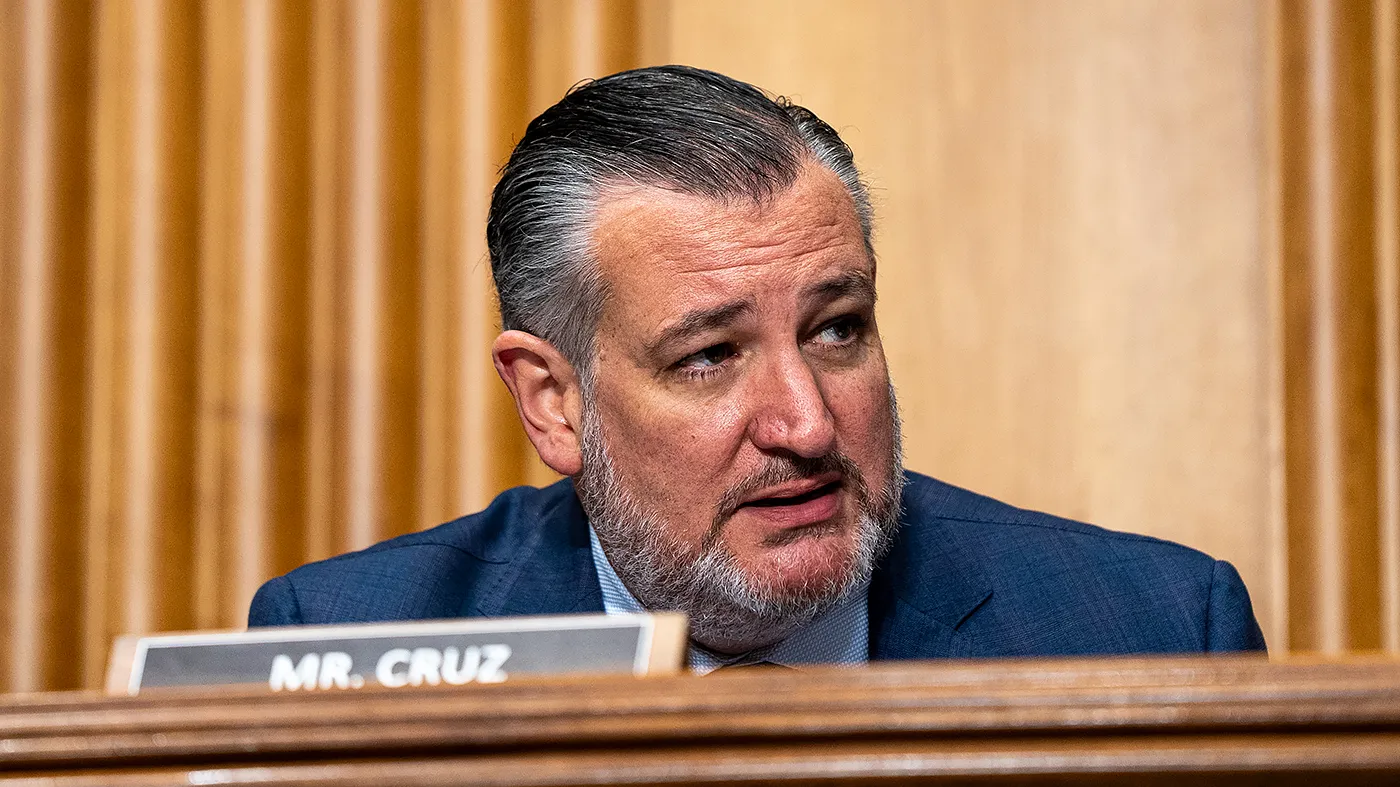
Sen. Ted Cruz (R-Texas) blocked an effort by Democrats on Tuesday to pass legislation creating an AI safety panel tasked with evaluating and creating enforceable standards for frontier models.
Cruz, who chairs the Senate Commerce Committee, objected to an attempt by Sens. Mark Warner (D-Va.), Brian Schatz (D-Hawaii) and Andy Kim (D-N.J.) to pass the measure by unanimous consent on the Senate floor.
Their bill, the Artificial Intelligence Risk Management and Security Act of 2026, aims to establish a permanent AI Safety Board within the Commerce Department. But Cruz said he had concerns that the proposal would give the executive branch too much power over private AI companies.
The board would develop standards for evaluating frontier models and securing their testing environments, with developers required to give the panel access to models at least 45 days before they go public. They could face fines for failing to comply with the board’s standards.
“We can’t, frankly, have regular business at this moment,” Warner said from the Senate floor on Tuesday, as he sought to bypass a standard floor vote with unanimous consent.
“I remain an AI optimist,” he added. “I am not an AI doomer. But we are at a moment in time, particularly over the last few weeks, where I think the whole world has recognized that we’ve got to do something.”
The push comes as several prominent AI leaders have called for a slowdown in development and urged the federal government to create safeguards amid concerns about the technology’s risks to humanity.
A series of recent incidents are putting AI safety issues front and center . Over the past few months, agents from several major AI companies have hacked into other firms — and in at least one case, an Australian health agency.
OpenAI also reportedly halted the release of its newest AI model Monday over safety concerns.
“My judgment is that we don’t have the luxury of time,” Schatz said Tuesday. “The Senate is supposed to be the cooling saucer that allows the hot liquid from the House to cool off, and then we can deliberate, right?”
“Well, the House is out of town, and they did not send us anything to drink,” he continued. “And so that’s a lovely way to understand this body, but we’re all that’s left, and we have to work on a nonpartisan, forget bipartisan, a nonpartisan basis to make sure that humans remain in control of the technology.”
However, Cruz said he still has “real reservations about this specific proposal,” suggesting it would give broad authorities to the executive branch by allowing it to pick the AI safety board that ultimately sets the rules for developers.
“These terms are not bound by existing statutes or traditional legal doctrines, or even further defined,” he said. “That concerns me, because it is difficult to imagine what an ambitious bureaucrat couldn’t shoehorn under this broad authority.”
“I would be more than happy to work with the sponsors on approaches that do not offer such unbound discretion to the federal government and that are not an invitation for abuse,” Cruz added.
Topics in this story
Gathered from external sources. Rights to this text belong to whoever originally published it.