Rising Water Bills Have Added to the Squeeze on American Households
Water costs increased by 62% over the past decade, outpacing overall inflation and grocery prices, according to new research by Food & Water Watch.
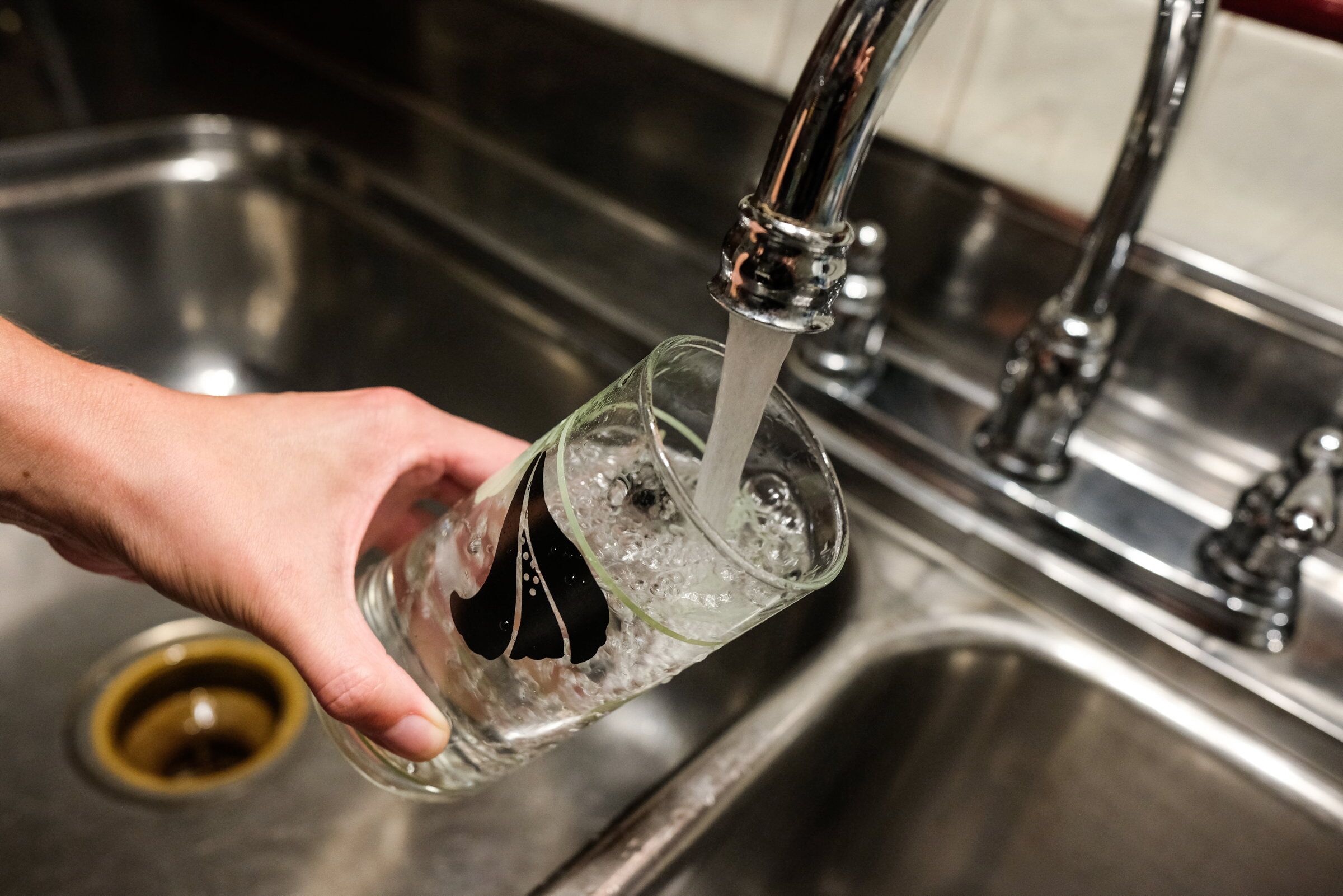
(Bloomberg) -- Water is becoming less affordable for American families as aging infrastructure, pollution rules and climate change push household bills higher — with the artificial intelligence boom adding new pressure on some local water systems.
US household drinking-water bills rose about 62% over the past decade, according to a report released Tuesday by Food & Water Watch, an environmental advocacy group. That increase compares with a roughly 39% jump in overall consumer prices and a 30% rise in grocery prices over roughly the same period, the report says. Water costs also outpaced growth in household income.
Food & Water Watch determined that water bills were unaffordable for low-income households in nearly all the systems it analyzed. "An unaffordable bill is often an unpaid bill," said Mary Grant, water policy director at Food & Water Watch. Customers who fall behind can face shutoffs or, in some jurisdictions, liens on their homes, she said.
The group also found that charges varied enormously. Two large West Virginia systems — both owned by the same private company — billed customers for an average of $1,383 a year. But for customers of three large water systems in Idaho, the annual average was $286, about one-fifth as much.
Food & Water Watch collected rate information from 500 of the nation's largest community water systems, serving 155 million people in total. The group then compared the results to those of its last water study, conducted a decade ago. It was able to do an apples-to-apples comparison between 452 systems in 2015 and 2025, after accounting for consolidations and other changes in the sector.
Differences in water sources, infrastructure age and system size can contribute to the variation in cost. So can ownership. For-profit systems charged more than publicly owned utilities, the report authors found. Private systems – which accounted for about 11% of the systems studied – were disproportionately represented among the most expensive.
But private and public systems alike had common troubles: "It's aging infrastructure. It's federal disinvestment," Grant said. Dealing with chemical contamination and adapting to drought, storms and wildfires is expensive, she added.
Topics in this story
Gathered from external sources. Rights to this text belong to whoever originally published it.