Study links cats to more anxiety, behavioral issues in young kids
Researchers found kids aged 4-5 who had a cat were more likely to show signs of anxiety, withdrawal or emotional struggles.
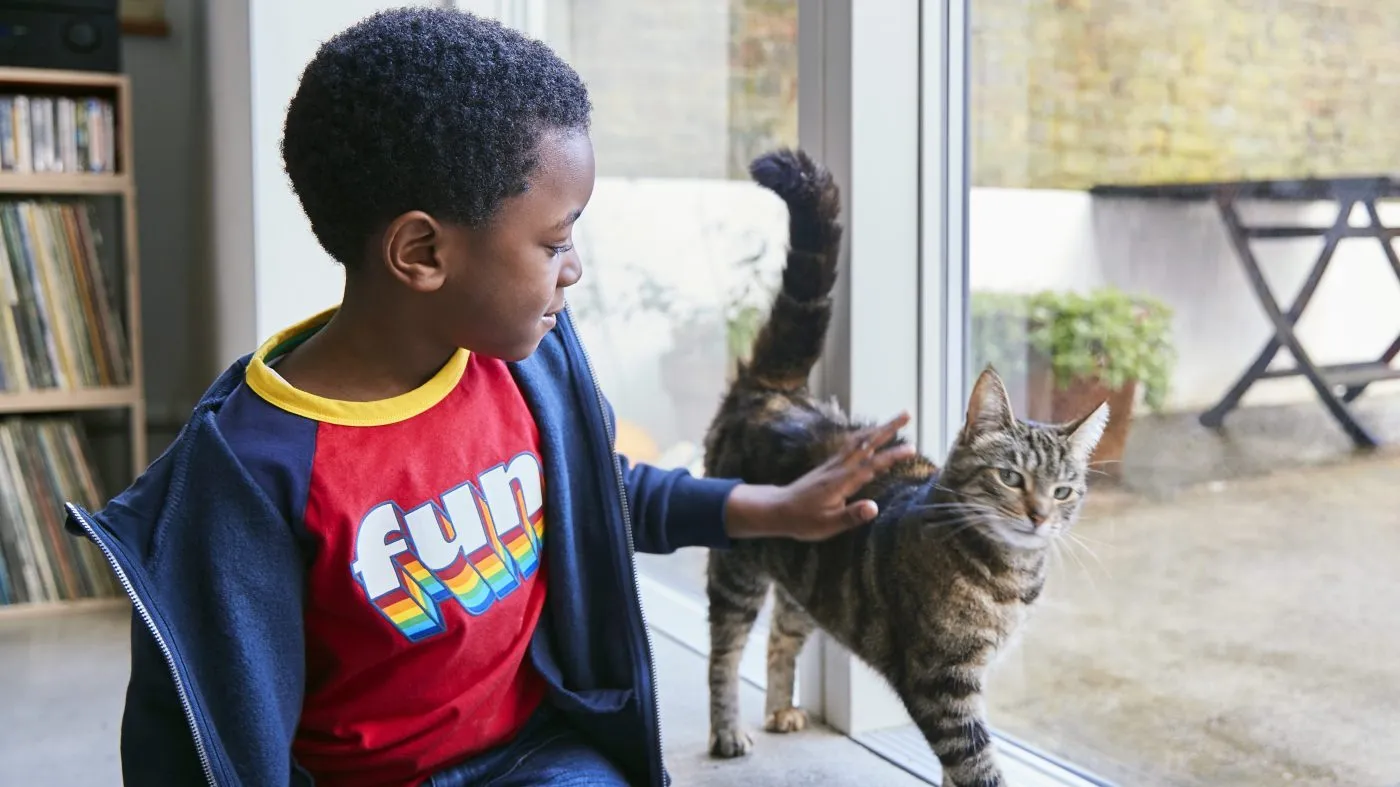
( NewsNation ) — Got a cat and a toddler in the house? One study suggests that could lead to a purrrfect storm when it comes to your child’s emotional development .
Researchers tracking nearly 1,900 families found kids who had a cat at home, specifically kids aged 4-5, were more likely to show signs of anxiety, withdrawal or emotional struggles by the time they turned 7 or 8.
They were also somewhat more likely to act out, break rules or have other behavioral issues .
The study also looked at dogs, birds, rodents, fish and reptiles, but none showed the same pattern.
According to a study published in the World Journal of Pediatrics last year, kids who had a cat between ages 4 and 5 were about 37 percent more likely to show “internalizing” problems, like worry, sadness and emotional distancing. They were also around 27 percent more likely to show “externalizing problems, like acting out or showing difficulty with impulse control.
Researchers give a few possible explanations for this. The first: Cats tend to be lower-maintenance and less interactive than dogs, so kids may get less important outdoor play and social engagement time.
They also theorize that families who already have a child dealing with stress or behavioral challenges might specifically choose to own a cat because it’s easier to manage — meaning cats may not be the reason for the behavior at all, but simply along for the ride.
One even wilder theory: Some cats can carry a parasite called toxoplasmosis, which has been linked to psychiatric disorders, including bipolar disorder and schizophrenia, according to past research . The parasite is usually picked up from raw meat or outdoor hunting, then shed in litter box waste. The 2025 study was observational only and did not test any children or cats for the parasite.
Should parents be wary of cats in the home?
Researchers say the study is a correlation and does not determine that cats cause anxiety.
Several other factors can play a role in a child’s emotional development and behavior.
Parents can watch their young children for signs of increased clinginess or worry, trouble sleeping, withdrawing from friends or family or frequent meltdowns, but none of these behaviors are unique to households with cats.
Topics in this story
Gathered from external sources. Rights to this text belong to whoever originally published it.