Fund manager's Fed interest rate outlook will frustrate consumers
Here’s what may happen to interest rates at the Federal Reserve’s next open market committee meeting.
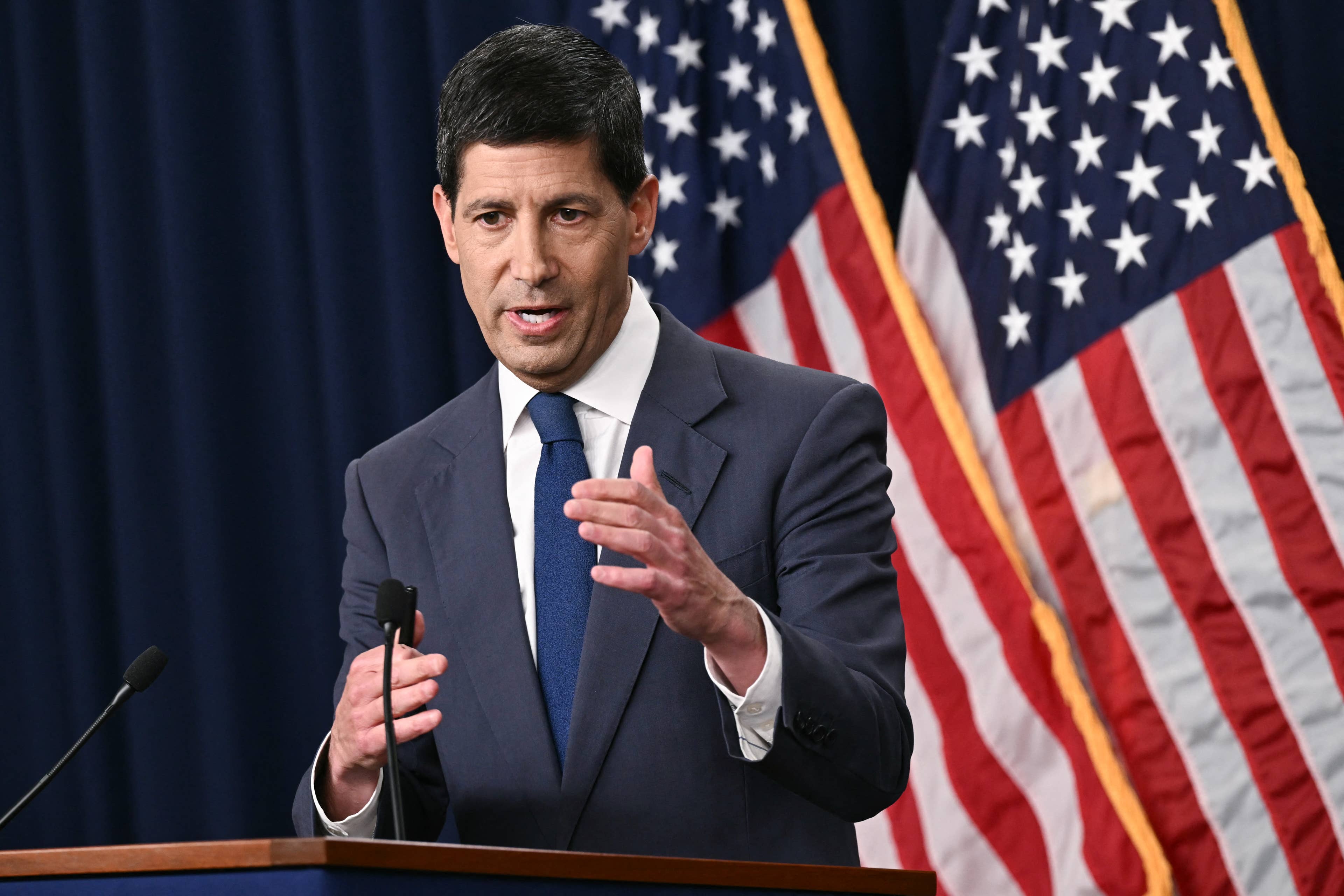
Making decisions about how to best spend your hard-earned money isn't easy, particularly nowadays, given how credit card and mortgage rates have risen. Unfortunately, the situation isn't going to get any better anytime soon and may worsen, according to longtime fund manager Chris Versace 's latest Federal Reserve interest rate prediction.
Versace, a money manager who has been tracking markets since the 1990s, believes the next decision from the Fed won't be to cut rates. Instead, he says that the next move is likely an interest rate hike when the Federal Open Market Committee meeting wraps up on September 16.
Versace's opinion is that the economic data that has landed over the past few months, including inflation data driven by Middle East oil price pressure, puts Fed Chairman Kevin Warsch in a corner.
The Consumer Price Index data is the final straw for the Fed
We all thought we were making progress in 2024, but the August Consumer Price Index report shows that the Fed's 2% inflation target is nothing more than a pipe dream.
After tariffs caused inflation to stop declining as companies boosted prices and sold less for more (shrinkflation is real), we've now seen the Middle East conflict spike oil prices, which in turn is once again causing prices to climb.
According to the Bureau of Labor Statistics, headline inflation was 3.4% in August . Strip out volatile food and energy costs, and you still see price problems. Core CPI rose 2.4%.
Versace put the Fed's reaction to inflation data bluntly, writing "It's hard to not see the Fed delivering a 25-basis point rate hike," in a note to TheStreet Pro members.
Higher rates are not what the market, consumers, or even the Fed, really want
Stocks have enjoyed a historic AI-frenzy-driven run-up since 2022's bear market drop. Earnings have surged as trillions of dollars have flowed into spinning up controversial data centers nationwide, propping up economic growth.
However, economic growth adds inflationary pressure, and crimping spending by raising the Fed Funds Rate is the Federal Reserve's best way to wrestle inflation lower.
Raising rates to tap down demand, and thus, inflation, works, but is hardly a popular move, especially given how expensive it is to borrow on credit already.
The average credit card interest rate is 19.56%, according to Bankrate . As of September 11, new credit cards charge 23.82%, according to LendingTree .
Topics in this story
Gathered from external sources. Rights to this text belong to whoever originally published it.