Mitt Romney warned a billionaire tax triggers demand for 2 assets — now California decides. Get in before the super-rich
California's Prop 40 would tax billionaire wealth at 5%.
Moneywise and Yahoo Finance LLC may earn commission or revenue through links in the content below.
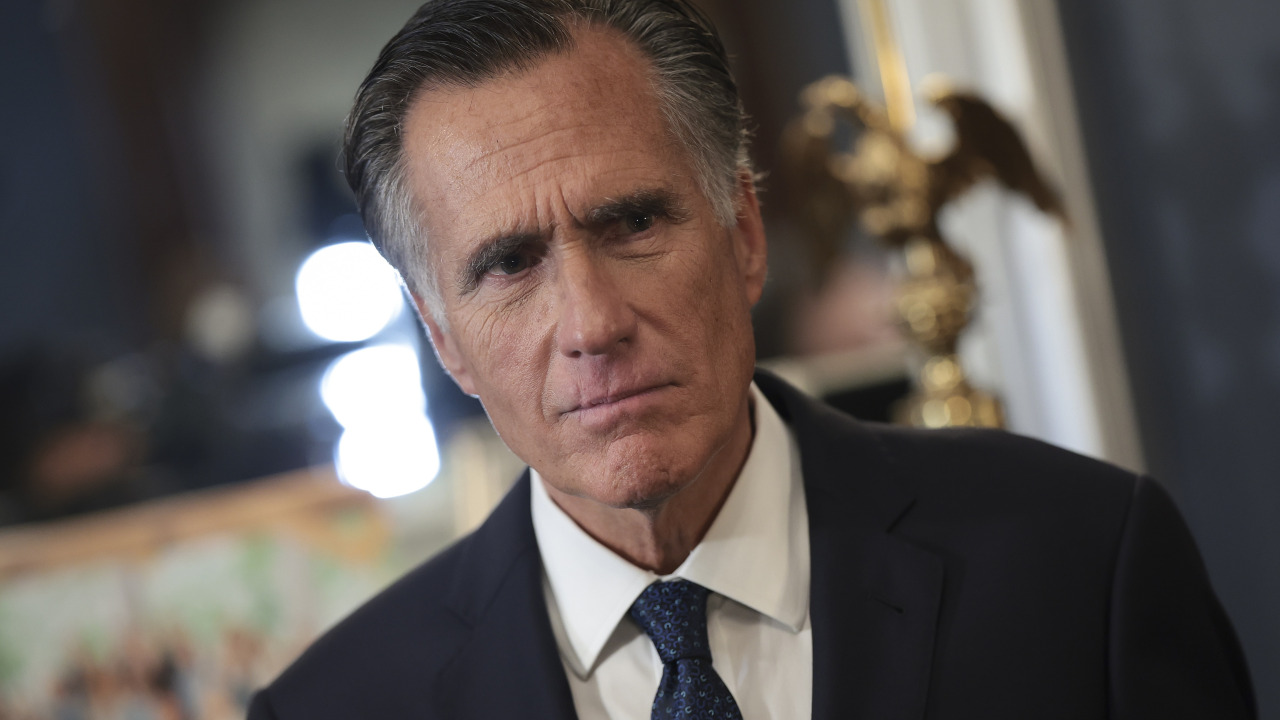
A warning Mitt Romney delivered five years ago is about to face a real-world test in America's biggest state economy.
On Nov. 3, California voters will decide the fate of Proposition 40 (1), a ballot measure that would impose a one-time tax equal to 5% of a billionaire's net worth.
Jeff Bezos backs a platform that lets anyone invest in rental homes for as little as $100 — 6 ways to build wealth like a landlord without actually being one
A single line on your car insurance policy could be inflating your premium by up to 30% — here's what to change
A record 45% of central banks plan to grow gold reserves — and many investors are following suit. Get your free gold IRA guide from Priority Gold
The levy would apply to billionaires who were California residents on Jan. 1, 2026, with payment due in 2027. Taxpayers could spread the bill over five years, although doing so would cost more.
For someone worth $10 billion, a 5% levy could translate into a staggering $500 million tax bill.
The proposal comes years after federal efforts to tax billionaire wealth repeatedly stalled in Washington amid political resistance and questions about their constitutionality. But California may now go where Congress could not — and potentially reshape how some of America's richest people hold their fortunes.
That is precisely the kind of reaction Romney warned about in 2021.
During a Fox News interview (2), the then-Utah senator criticized a federal proposal that would have taxed billionaires on unrealized investment gains. Under such a system, wealthy investors could owe tax as their assets appreciated, even if they had not sold them.
Romney argued that billionaires could respond by pulling money away from publicly traded companies.
"These multibillionaires are gonna look and say, 'I don't want to invest in the stock market, because as that goes up, I gotta get taxed," Romney said.
"So maybe I will instead invest in a ranch or in paintings or things that don't build jobs and create a stronger economy."
California's proposal is not identical to the federal plan Romney was discussing.
Proposition 40 would impose a one-time tax on covered wealth rather than an annual tax on unrealized gains.
But it raises the same fundamental question: What happens when the government changes the cost of owning certain assets?
The details make Romney's ranch prediction especially striking. Under Proposition 40, directly owned real estate would generally be excluded from the wealth calculation, while stocks, private businesses, intellectual property, art and collectibles would remain covered.
Topics in this story
Gathered from external sources. Rights to this text belong to whoever originally published it.