Federal Reserve delivers warning to all Americans with a savings account: ‘There will be a reckoning.’ Are you ready?
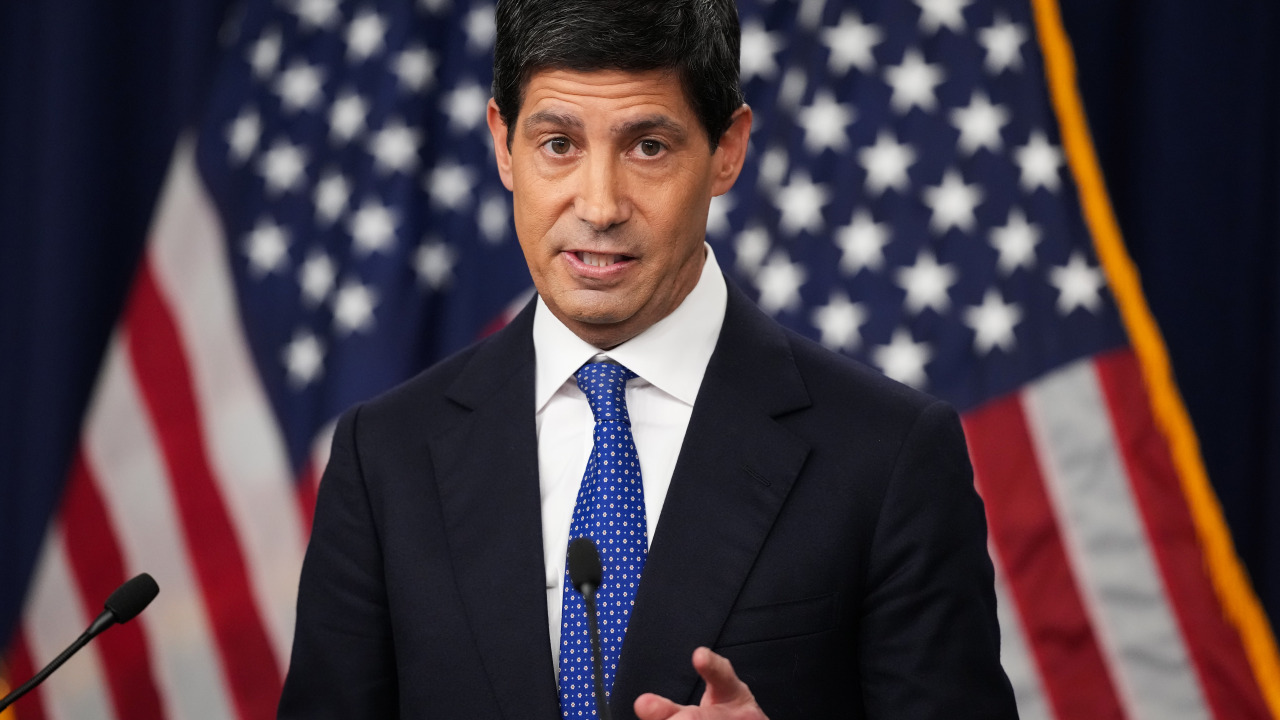
On Sept. 16, Fed Chair Kevin Warsh delivered a blunt assessment.
Moneywise and Yahoo Finance LLC may earn commission or revenue through links in the content below.
Your savings account is supposed to be the safe place for your money. But a warning from the Federal Reserve raises an unsettling question: What if the danger never shows up on your bank statement?
On Sept. 16, Fed Chair Kevin Warsh delivered (1) a blunt assessment: "The plain fact is that inflation is too high, and has been for too long."
Jeff Bezos backs a platform that lets anyone invest in rental homes for as little as $100 — 6 ways to build wealth like a landlord without actually being one
A single line on your car insurance policy could be inflating your premium by up to 30% — here's what to change
A record 45% of central banks plan to grow gold reserves — and many investors are following suit. Get your free gold IRA guide from Priority Gold
His words came as the Fed raised its benchmark interest rate from 3.75% to 4.00% — the first hike in three years. The vote was unanimous.
Higher rates could offer better returns for savers, but banks still set their own deposit rates, meaning that if your account earns less than prices are rising, the balance can grow while its buying power shrinks.
Warsh isn't the only Fed official sounding the alarm.
Asked about U.S. debt surpassing $40 trillion, Richmond Fed President Tom Barkin warned (2), "There will be a reckoning on this as it goes forward. No one can tell you when." He added that investors would eventually stop buying the government's debt.
Barkin was speaking about U.S. government borrowing. But Ray Dalio, founder of the world's largest hedge fund, Bridgewater Associates, has described how this debt crisis could reach American savers.
"There won't be a default — the central bank will come in and we'll print the money and buy it," he told CNBC (3) last year. "And that's where there's the depreciation of money."
In other words, the government may never technically run out of dollars — but those dollars can lose value fast.
The long-term loss of buying power has already been stark. According to the Inflation Calculator (4) put out by the Federal Reserve Bank of Minneapolis, $100 in 2026 has the same purchasing power as just $11.61 did in 1970.
That's right. $100 became less than $12 — despite decades of efforts by the Fed to keep rising prices in check.
For people keeping much of their nest egg in savings accounts, the danger is clear: If the interest they earn fails to keep pace, inflation can steadily erode the value of their money. That's why Warsh's warning matters to savers.
Topics in this story
Gathered from external sources. Rights to this text belong to whoever originally published it.