Warsh Boosts Market Expectations of Fed Hold in October
Federal Reserve Chairman Kevin Warsh did nothing to dispel market expectations that the US central bank will hold interest rates steady when it meets at the...
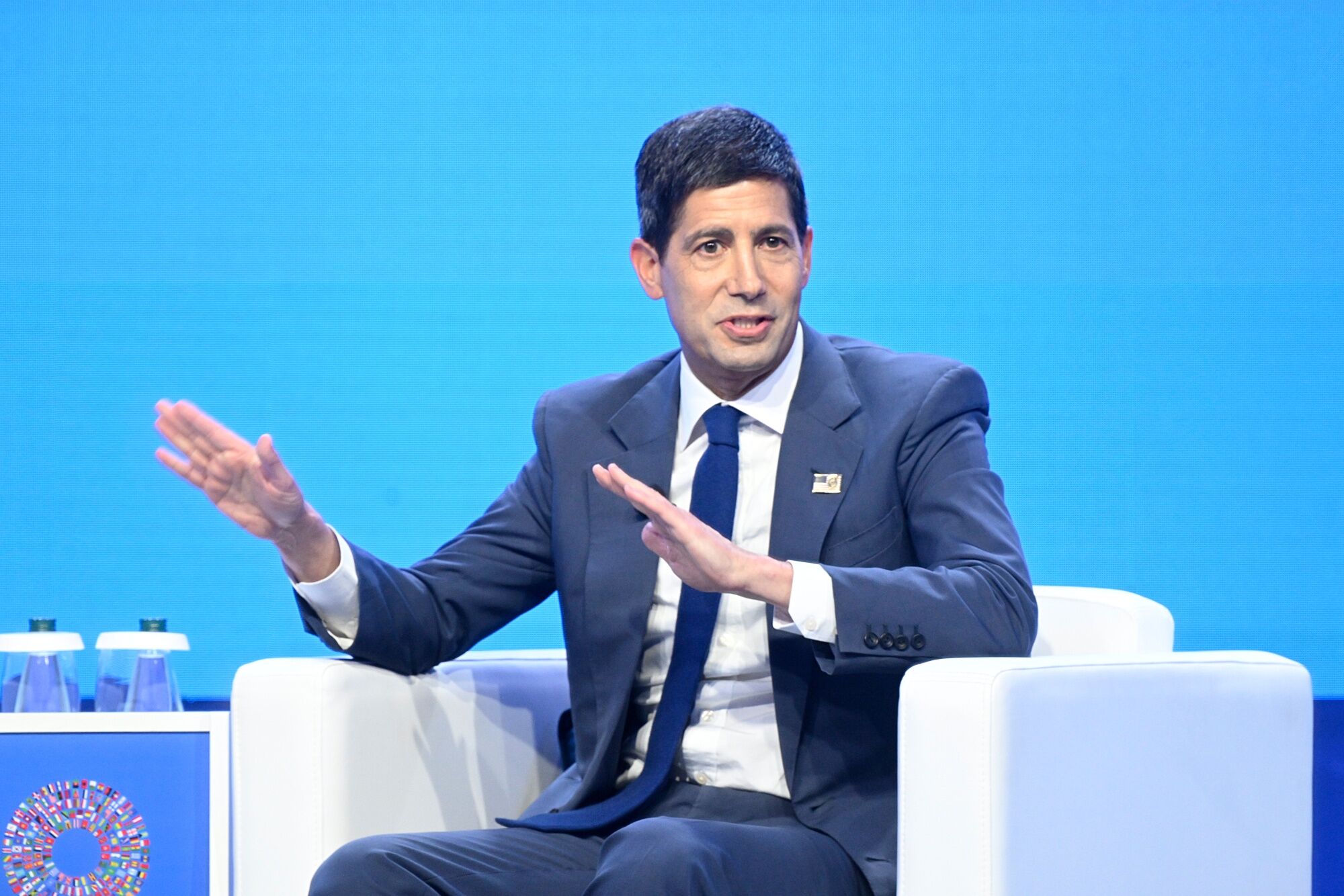
(Bloomberg) -- Federal Reserve Chairman Kevin Warsh did nothing to dispel market expectations that the US central bank will hold interest rates steady when it meets at the end of the month.
In a moderated discussion Friday morning in Bangkok at the International Monetary Fund's annual meetings, Warsh made no remarks on monetary policy or his outlook for the US economy, save for reiterating that the Fed will deliver price stability.
"We made very clear that we would deliver price stability, and we removed a dose of accommodation about a month ago," Warsh said. "I don't prejudge meetings. I don't believe in saying now what I might do at the meetings that we have in the balance of this year."
Investors pared their bets for a rate hike at the central bank's Oct. 27-28 policy gathering. The odds, which were hovering around 27% before Warsh spoke, dropped below 15% following his remarks.
"It was clear that he wasn't going to deliver anything that the market could latch on to as hawkish," Derek Tang, an economist at Monetary Policy Analytics, wrote in a note to clients.
The Fed raised interest rates by a quarter percentage point in September, the first hike since 2023. It was backed by all 19 policymakers, and a majority also saw another increase as likely this year.
A few key officials in recent weeks reiterated that additional rate hikes may be needed, but emphasized they have time to gather economic data before acting again.
Warsh repeated his bullish views on artificial intelligence, calling it the most important innovation in the global economy during his lifetime. But he also warned that it may be driving demand in the near term.
The Fed chief said that as a central banker, he's taking the new technology seriously but also "soberly, responsibly."
"It's obviously hitting the demand side of the economy before it's going to hit the supply side of the economy," Warsh said. "If you're a central banker, you're in the business of trying to ensure stable prices and full employment, you've got to recognize this as a shock."
While it's a positive supply shock in the medium term, Warsh argued, it's driving increases in aggregate demand now.
Some of Warsh's colleagues have expressed similar concerns, even questioning whether the surge in investment that's buoying the AI build-out could lead to an overheating of the economy.
Topics in this story
Gathered from external sources. Rights to this text belong to whoever originally published it.