Environmental groups sue to block Army’s lead detonation at Iowa ammunition plant
Two environmental groups are suing the Environmental Protection Agency (EPA) in a bid to stop the Army from detonating thousands of pounds of explosive lead material at an Iowa ammunition plant, arguing the activity could expose thousands of families in the surrounding communities to toxic dust. The Iowa Environmental Council and the Sierra Club Iowa Chapter are challenging an emergency…
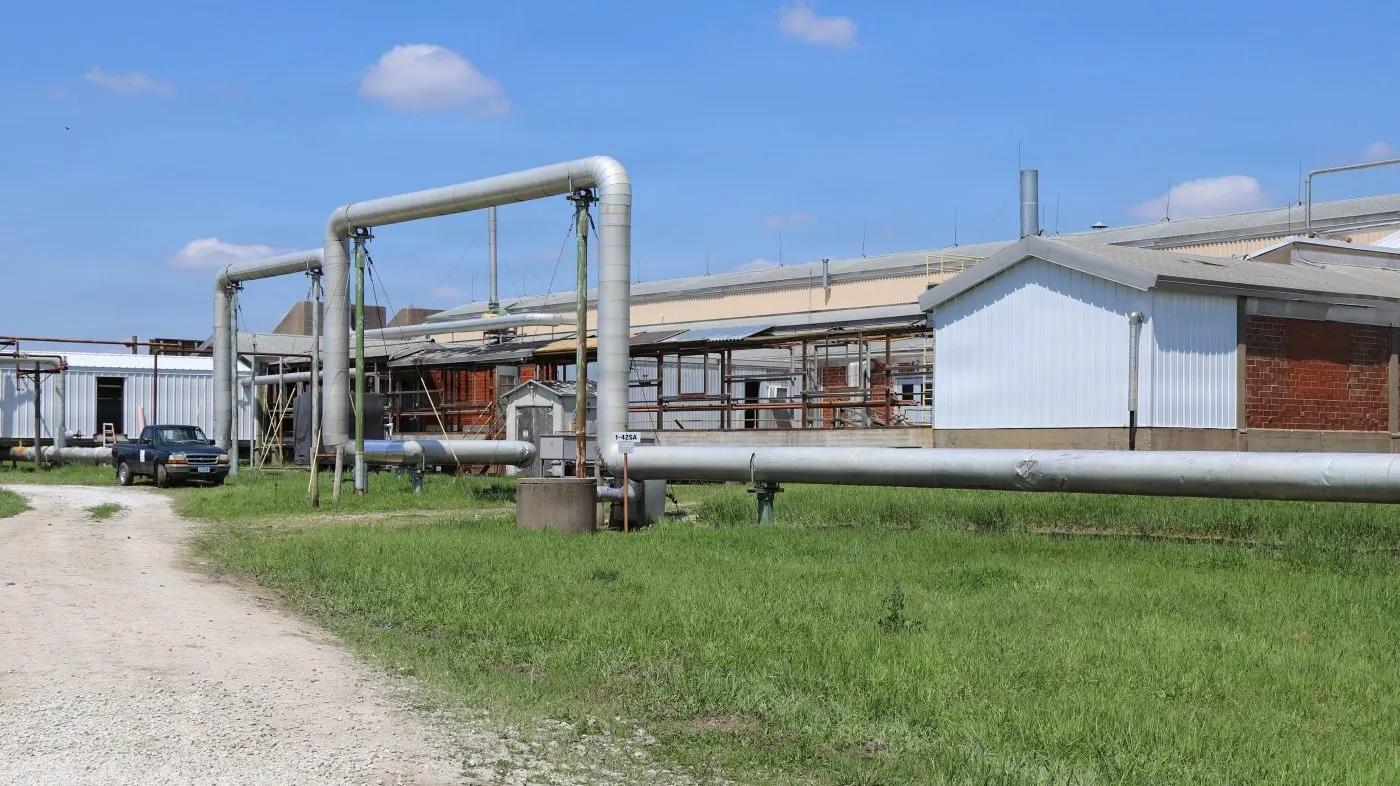
Two environmental groups are suing the Environmental Protection Agency (EPA) in a bid to stop the Army from detonating thousands of pounds of explosive lead material at an Iowa ammunition plant, arguing the activity could expose thousands of families in the surrounding communities to toxic dust.
The Iowa Environmental Council and the Sierra Club Iowa Chapter are challenging an emergency permit issued by the EPA that authorized the detonation of 68 drums of lead azide at the Iowa Army Ammunition Plant in Middletown, Iowa.
“The Army left 68 drums of a primary explosive to degrade for roughly two decades until it decided that the only safe option became detonating them near populated areas,” the complaint states. “That turned the Army’s storage management failure into a public health event for people in at least two states.”
BestReviews is reader-supported and may earn an affiliate commission.
Lawyers argue the EPA unlawfully bypassed environmental regulations in approving the permit, including that less dangerous alternatives were not fully considered, and it failed to require conditions “necessary to protect human health and the environment.”
They also claim the public was not given an opportunity to weigh in, noting that notice of the plan came less than a week before the scheduled detonations.
“It very well could be the case that the U.S. Army has no other safe alternative to disposing of the toxic lead azide,” Sarah Green, executive director for the Iowa Environmental Council, said in a statement. “But our federal government needs to do better at communicating the potential health risks of lead contamination in our communities and providing more time to keep our communities and vulnerable groups safe, like children and pregnant women.”
The groups asked the court to halt the explosions, which were originally scheduled for Friday, while its challenge to the permit plays out.
The acting Army secretary announced on Thursday that the controlled explosions would be postponed until Monday after lawmakers and residents complained about the short notice .
“This will delay the detonation until the latest possible moment prior to a forecasted temperature drop, which would risk further destabilization of the material,” acting Army Secretary Adam Telle wrote in a post on the social platform X.
The EPA, Army and Department of Health and Human Services wrote in a joint update on Friday that they are working to ensure the explosions are “conducted in the safest fashion possible.”
“Officials have been meticulously planning for this event since March, and all agencies involved are prepared to take the most extreme mitigation measures available to ensure there is no risk to the public and any disruptions are minimized,” the agency wrote.
The lawsuit states that the detonations would release elevated levels of lead dust into the air that could extend 100 miles north of the ammunition plant, leaving it to linger in “yards, gardens, and play areas” for years to come.
Inhaling or swallowing lead is highly dangerous to animals and humans, particularly children, and can pose serious health risks, according to the EPA. There are no known safe levels of exposure.
“Lead dust in the air will not just disappear once it settles to the ground — people, cattle, chickens and wildlife will continue to face exposures to lead from soil, water runoff, and deposition into waterbodies,” the complaint states.
Topics in this story
Gathered from external sources. Rights to this text belong to whoever originally published it.