Ebola death toll tops 3,000 in Congo outbreak
More than 3,000 people have now died in the fastest-growing Ebola outbreak in Congo’s history, according to new government data released Wednesday. Congo’s Ministry of Health has recorded 6,186 confirmed cases, including 3,007 deaths, since the World Health Organization (WHO) declared the outbreak a global health emergency in May. Just more than 1,400 people have…
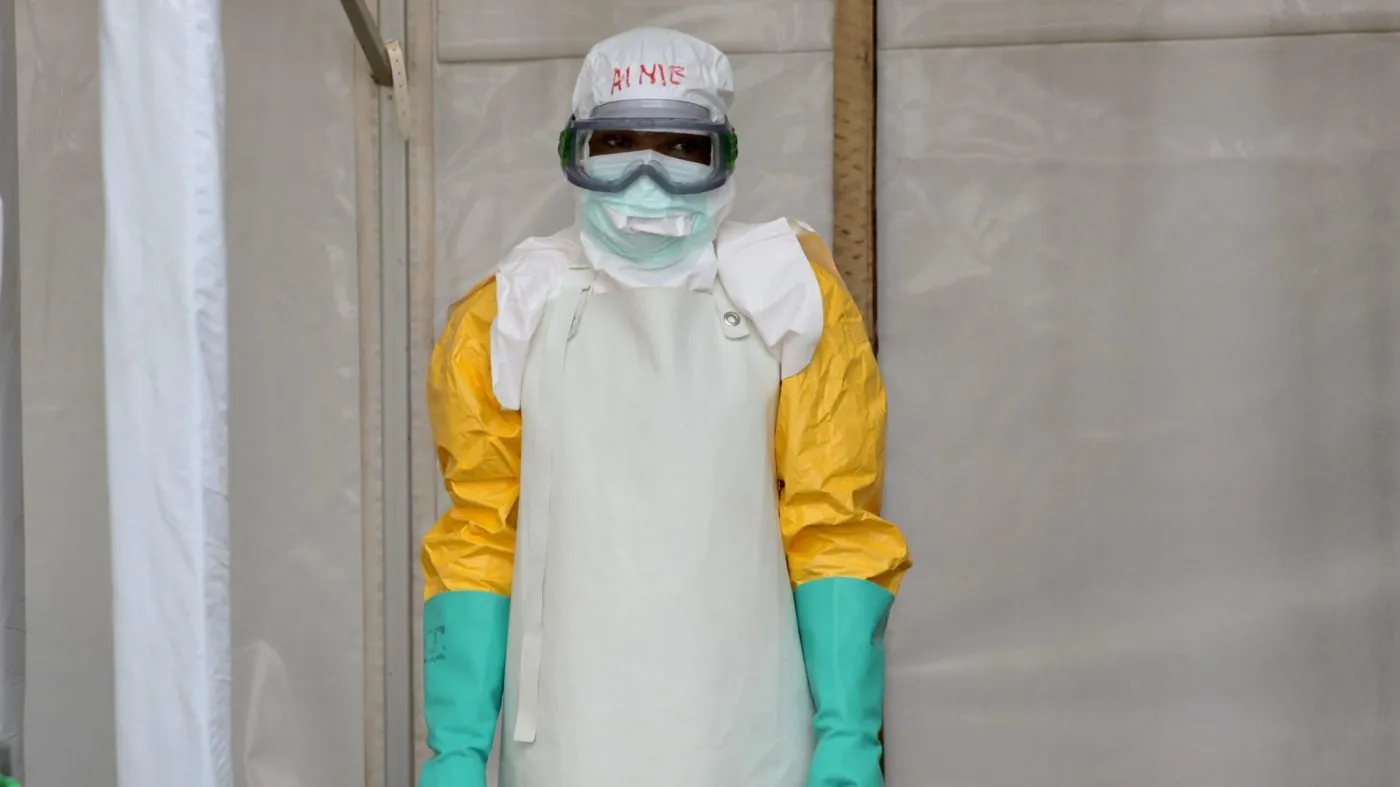
More than 3,000 people have now died in the fastest-growing Ebola outbreak in Congo’s history, according to new government data released Wednesday.
Congo’s Ministry of Health has recorded 6,186 confirmed cases , including 3,007 deaths, since the World Health Organization (WHO) declared the outbreak a global health emergency in May. Just more than 1,400 people have recovered after contracting the disease.
The outbreak, which became Congo’s deadliest last month, involves the Bundibugyo strain of Ebola.
Last month, the Central African country’s government requested the release of Ervebo vaccines from the global Ebola virus disease vaccine stockpile. The International Coordinating Group on Vaccine Provision, which manages the stockpile, authorized an initial release of 70,000 doses, the Africa Centres for Disease Control and Prevention noted.
The vaccine is being deployed in a clinical trial amid the outbreak. It is currently only proven to be effective against another strain of the virus, according to the U.S. Centers for Disease Control and Prevention.
WHO Director-General Tedros Adhanom Ghebreyesus applauded the move as an “important example of global solidarity in action” in a social media post responding to the news.
“Together with @AfricaCDC, national authorities and partners, @WHO is committed to supporting strengthened surveillance, rapid detection, quality care, community engagement and vaccination efforts to bring the outbreak under control and protect lives across the region,” he wrote.
Most of the cases in the outbreak have been concentrated in Congo, but neighboring Uganda has also reported 20 confirmed cases since May.
Ghebreyesus announced at the end of August that Uganda had ended its outbreak after a 42-day monitoring period with no reported cases.
“With a focus on preparedness, increased surveillance to find potential cases in health facilities and communities, and careful management of points of entry, countries can keep people and goods moving while ensuring people stay safe, or receive care if they are sick,” Ghebreyesus wrote on social media .
The response effort in the Congo has faced several obstacles, including limited health infrastructure, ongoing conflict, frequent population movement and a lack of trust in the government, according to the WHO.
Dr. Jean Kaseya, the director-general for the Africa Centres for Disease Control and Prevention, has advocated for a “village-centered response” to the outbreak, including offering free healthcare services, ensuring the safe reopening of education centers and strengthening cross-border communication.
In a statement last month, Kaseya said Congo needs to “show the same urgency and focus” Uganda achieved in its response.
“Every delay costs lives,” he wrote on social platform X at the time. “The moment demands decisive, unified action.”
Topics in this story
Gathered from external sources. Rights to this text belong to whoever originally published it.