Stolen passwords are exposing America's water providers to hackers | TechCrunch
Researchers say another looming threat hangs over some of America's most important critical infrastructure.
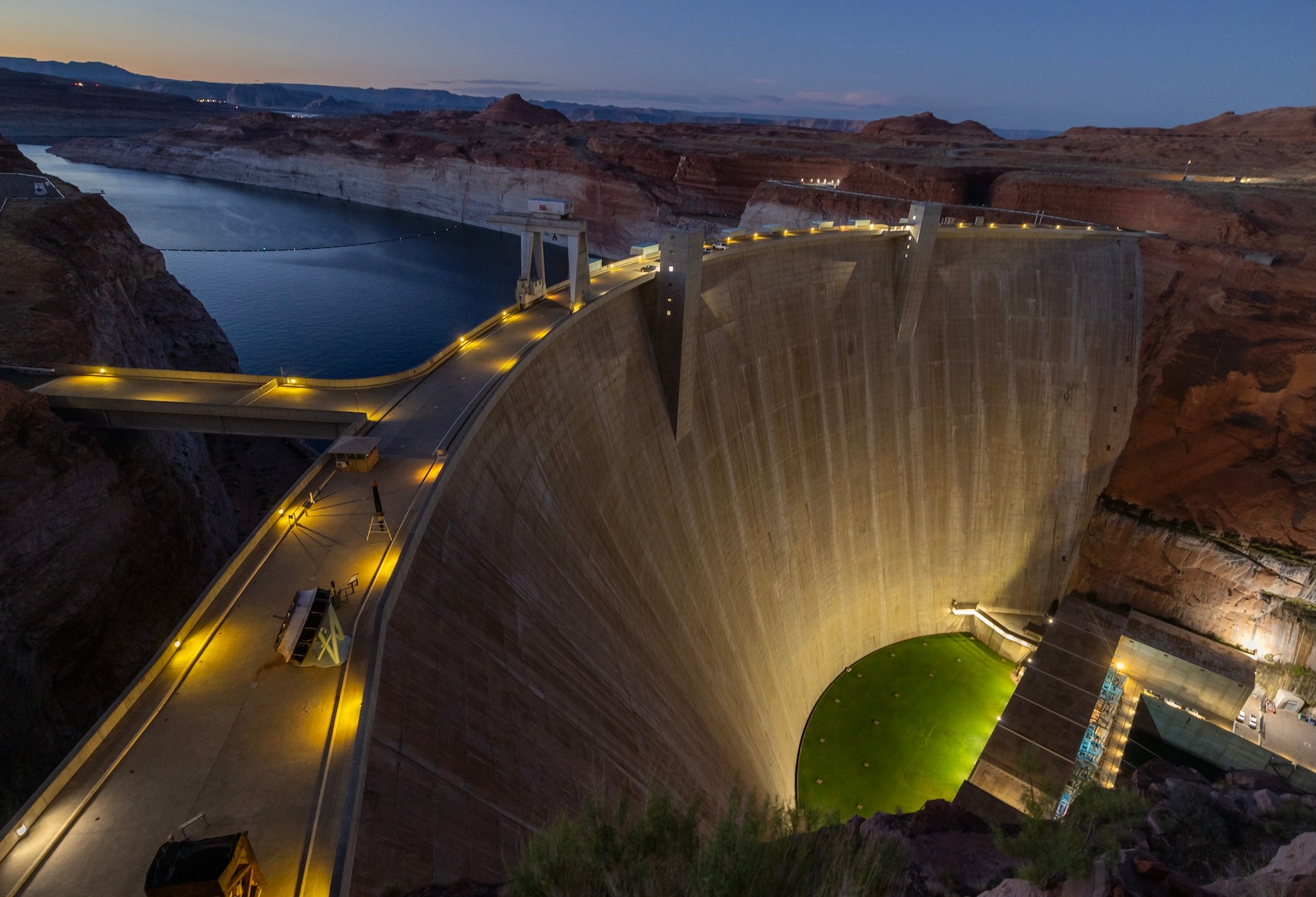
New security research has found that well over a thousand U.S. water and wastewater providers are exposed to hacks due to malware that’s capable of stealing their employees’ passwords and active logged-in sessions.
The findings by cybersecurity defense firm SpyCloud underscore how water providers and other critical infrastructure can be compromised with relative ease amidst a wave of hacks targeting the water supplies of dozens of communities across the United States.
While password-stealing malware is not new, the research highlights how stolen passwords offer hackers an easy route to break into an organization’s network without using AI tools.
SpyCloud said it built a database of more than 66,000 public-facing systems that are registered with the U.S. Environmental Protection Agency, amounting to 10,000 organizations. The company found password-stealing malware had swiped passwords and credentials from 1,787 organizations, or nearly two in 10 providers they checked. The firm noted at least 250 organizations had credentials exposed that appeared to allow access to their operational networks and remote-access systems, which control the physical pumps and water flows.
The analysis covered an unnamed metering tech provider, which had a device on its network that was infected with password-stealing malware. The malware stole reams of credentials, including passwords for 167 U.S. utility companies that rely on the metering tech provider.
SpyCloud Chief Investigations Officer Jason Lancaster said in the post that this single breach handed criminals the keys to access “a hundred otherwise unrelated organizations.”
Password-stealing malware, also known as infostealers , allows hackers to steal a person’s stored passwords as well as the session tokens that are used to keep them logged in. These session tokens can allow a hacker to log in as if they were the legitimate user, and can often bypass multi-factor authentication systems. Hackers regularly trade stolen credentials in order to obtain passwords or session tokens for accessing specific organizations.
This research comes weeks after a spate of hacks targeting water providers around the United States, which the U.S. government has privately tied to Iran-backed hackers . SpyCloud said it found no evidence that those Iran-linked hacks relied on stolen passwords. In those cases, the signs point to security weaknesses, such as manufacturer-set default passwords, in the mechanical switches and physical controllers used by critical infrastructure, SpyCloud said, echoing earlier findings from U.S. cybersecurity agency CISA.
Rather, the researchers note that stolen passwords are a major source of access to “whoever wants to buy or find it,” in parallel to the known security risks with critical infrastructure tech. Lancaster said that the water-sector “has to hold both stories at once.”
Topics in this story
Gathered from external sources. Rights to this text belong to whoever originally published it.