Bessent: US suggesting AI alert system with China ahead of Trump-Xi talks
Treasury Secretary Scott Bessent said Sunday the U.S. is proposing a notification system between Washington and Beijing on AI amid growing concerns about the technology’s risks to humanity. The system, called the “U.S.-China AI dialogue,” would create a mechanism for the two superpowers to communicate when there are incidents that rise to “a national security…
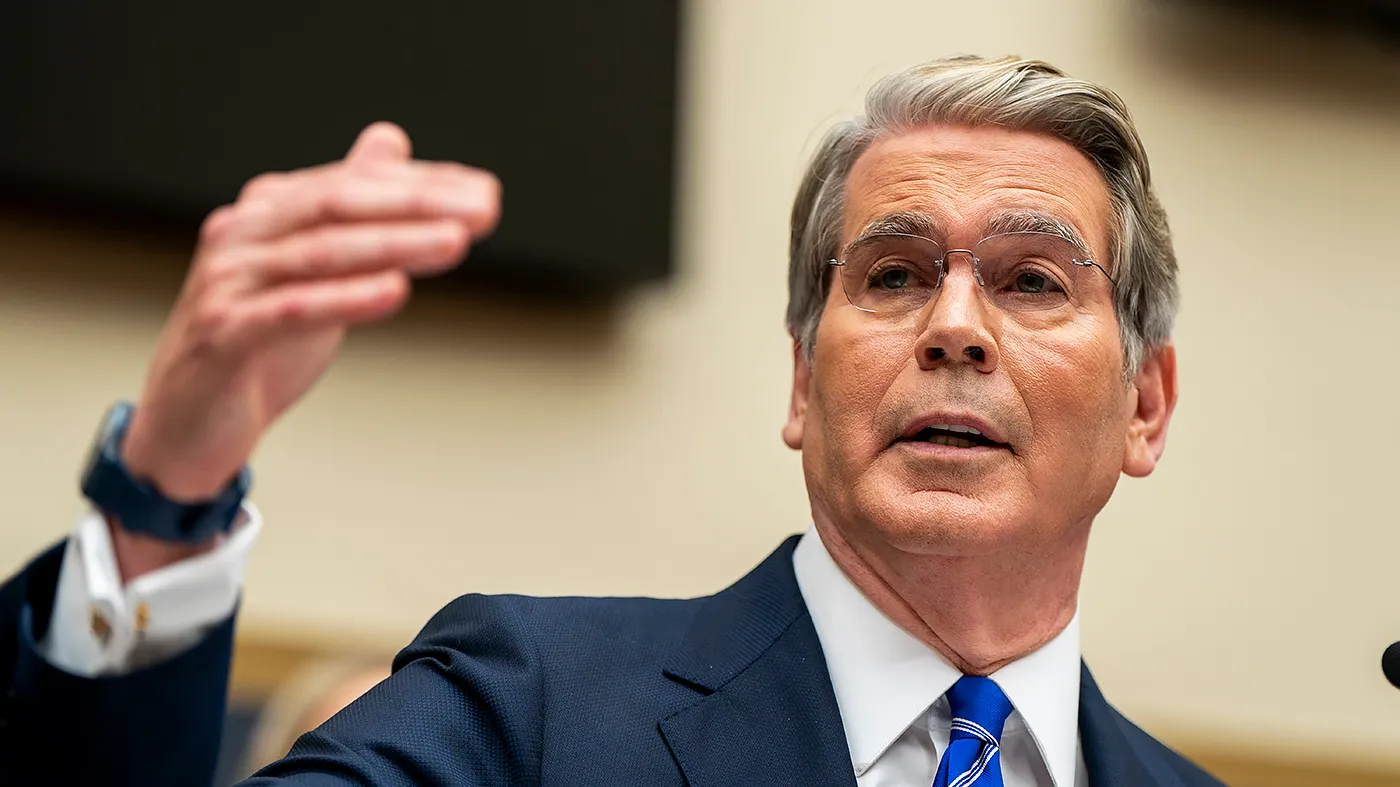
Treasury Secretary Scott Bessent said Sunday the U.S. is proposing a notification system between Washington and Beijing on AI amid growing concerns about the technology’s risks to humanity.
The system, called the “U.S.-China AI dialogue,” would create a mechanism for the two superpowers to communicate when there are incidents that rise to “a national security level from AI,” Bessent explained to reporters.
“We think that just like with any cross-border activity that moving from opaque to more transparency between the No. 1 and No. 2 AI powers in the world is very important,” he said after meeting with Chinese Vice Premier He Lifeng.
Bessent and his Chinese counterpart convened in New York ahead of President Trump’s meeting with Chinese President Xi Jinping on Thursday.
This comes at a moment when conversations about AI safety have reached a fever pitch in Washington, after several researchers offered dire warnings about AI’s potential to destroy humanity.
Several American AI leaders have called for a slowdown in the technology’s development. But Trump has so far resisted a push for the federal government to institute guardrails, frequently pointing to the need to stay ahead of China.
The fierce competition between the two countries makes coordination on the issue difficult. The U.S. has long imposed strict export controls on the flow of advanced AI chips to China in an effort to stymie Beijing’s efforts at development.
U.S. Trade Representative Jamieson Greer noted Sunday that export controls “were not on the agenda.”
Topics in this story
Gathered from external sources. Rights to this text belong to whoever originally published it.