US Treasury's Bessent faces G20 diplomacy test amid tariffs, Iran war, bond turmoil
ASHEVILLE, North Carolina, Aug 30 (Reuters) - U. Treasury Secretary Scott Bessent faces a major test of his economic diplomacy skills this week as he presses...
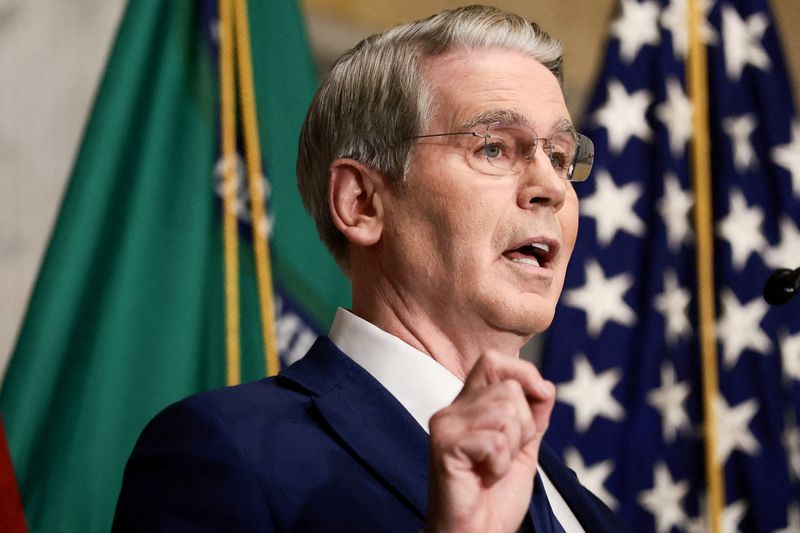
ASHEVILLE, North Carolina, Aug 30 (Reuters) - U.S. Treasury Secretary Scott Bessent faces a major test of his economic diplomacy skills this week as he presses finance leaders from the G20 major economies to shrink global trade imbalances, boost growth and sever business ties to Iran, while trying to calm worries about rising U.S. debt and bond yields.
After shunning the Group of 20 process last year in South Africa, Bessent is seeking to revamp it under U.S. leadership to push the Trump administration's worldview in the Blue Ridge Mountains city of Asheville, North Carolina.
The meeting of finance ministers and central bank governors on Monday and Tuesday comes at a time of massive uncertainty over the Trump administration's next tariff moves, its festering trade war with close ally Canada, and high energy and commodity prices due to the Iran war.
The unresolved conflict has kept the Strait of Hormuz closed, sapping growth from nearly all G20 economies. And Bessent has warned that countries face secondary U.S. sanctions if they continue to buy Iranian oil or facilitate other transactions with Tehran. On Friday he imposed curbs on a bank based in G20 member Egypt over links to Iran through its branches in the United Arab Emirates.
The combination of pressures adds up to potentially more discord in the widely diverse forum that includes China and Russia and has a hard time agreeing on any collective action while largely ignoring geopolitical tensions such as the war in Ukraine.
"Secretary Bessent will want to put Iran front and center and talk about tightening sanctions on Iran, and many countries around the G20 table will want to talk about anything else," said Josh Lipsky, international economics chair at the Atlantic Council. "They'll want to talk about tariffs."
After the Supreme Court struck down President Donald Trump's broad global tariffs in February under a national emergencies law, his administration has been rebuilding the levies under different legal authorities.
All of the G20 countries and the European Union were among 60 economies hit in July with 10% or 12.5% U.S. tariffs for allegedly lax enforcement of forced labor bans. Sixteen top U.S. trading partners -- more than half of them G20 members -- are in line for more tariffs to counteract alleged excess industrial capacity under a separate trade probe.
The tariffs are central to the Trump administration's effort to reduce global trade imbalances, which a senior Treasury official said were the result of distortive government economic policies "that prevent fair competition" and that would be a major discussion topic at the Asheville meetings.
Topics in this story
Gathered from external sources. Rights to this text belong to whoever originally published it.