Trump unveils new tariffs over excess industrial capacity, undeterred by midterms defeat
By David Lawder and Andrea Shalal WASHINGTON, Nov 25 (Reuters) - US President Donald Trump fired a new tariff salvo on Wednesday on 14 major trading partners...
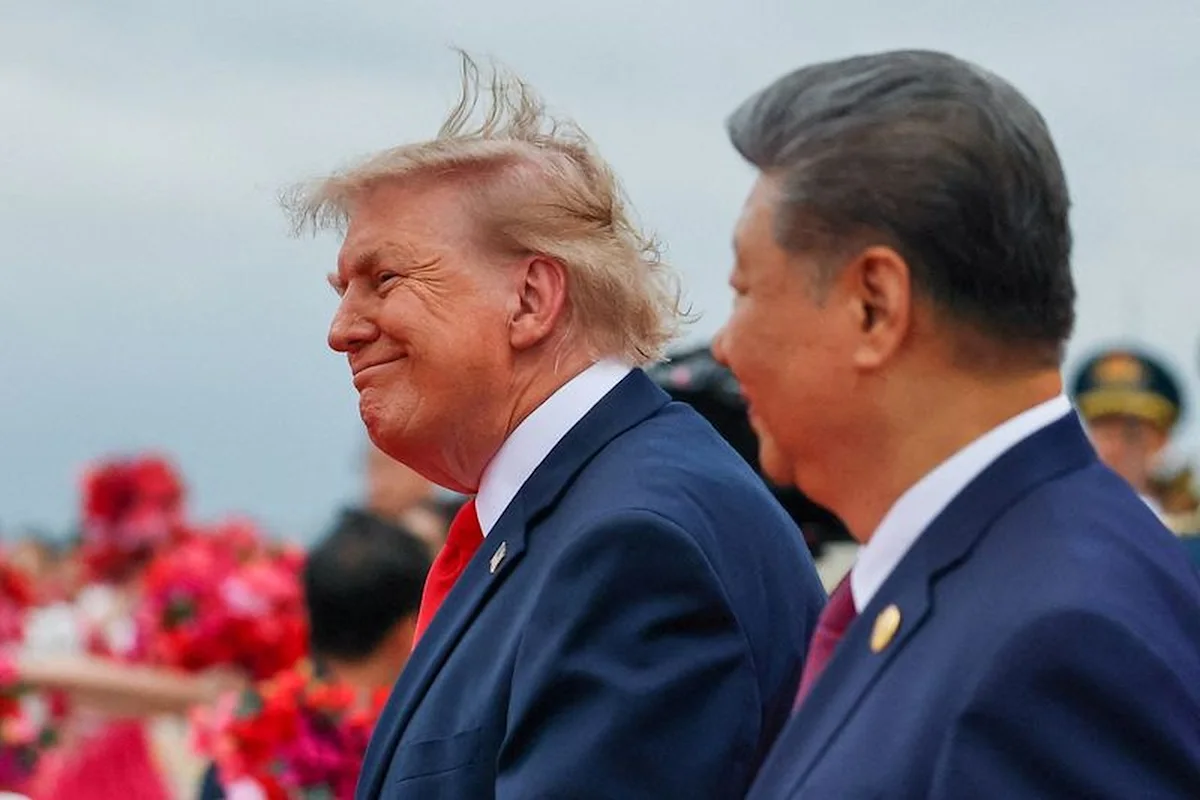
WASHINGTON, Nov 25 (Reuters) - US President Donald Trump fired a new tariff salvo on Wednesday on 14 major trading partners including China, Japan and the European Union, undeterred in his protectionist push by the losses his Republican Party suffered in US midterm elections.
His administration proposed new maximum potential rates of 20% to 40% to counter excess industrial capacity that it says these countries are promoting. But the US Trade Representative's office said it intends to cap new tariffs at lower levels agreed under trade deals that are completed or still under negotiation.
In unveiling the results of an eight-month unfair trade practices investigation into excess industrial capacity, USTR aims to more fully rebuild Trump's tariff leverage after the Supreme Court in February struck down his broad global duties under a national emergencies law.
The effort also seeks to put Trump's tariffs and associated trade agreements on more solid legal and political grounds by backing them with a court-tested trade law, Section 301 of the Trade Act of 1974, and addressing foreign subsidies and industrial policies that are viewed as major trade problems by both Republicans and Democrats.
Separately, USTR proposed a new 10% tariff on imports of Brazil's finished Embraer commercial aircraft, and an increase in duties on imports of Brazilian sugar that exceed quotas as part of an effort to push Brasilia to rectify alleged unfair trade practices.
The products were previously exempted from Trump's 25% tariffs on Brazilian goods that were imposed in July under a separate Section 301 investigation. US Trade Representative Jamieson Greer said he decided to propose the tariff increases after months of talks between the US and Brazil made "no meaningful progress."
Under the excess factory capacity probe, USTR said China would face the highest capped rate of 20%, which would be added to duties of roughly 25% imposed during Trump's first term.
That rate would comply with a US-China trade truce that expires on January 10. But if the truce unravels, China's rate would rise to 40%, the USTR said.
Vietnam would face a capped tariff rate of 20% if it reaches a trade agreement with Washington, rising to 35% if negotiations fail.
Greer said the tariffs, which would not take effect until after a January 25 public hearing, were intended to counteract "industrial strategies built on targeting manufacturing, wage and labor suppression, financial and other support, non-market economy inputs, and other market-distorting practices" that undermine the US manufacturing base.
Topics in this story
Gathered from external sources. Rights to this text belong to whoever originally published it.