What is a dirty bomb? What to know about reported Iran threat
A dirty bomb combines conventional explosives with radioactive material but cannot produce a nuclear explosion.
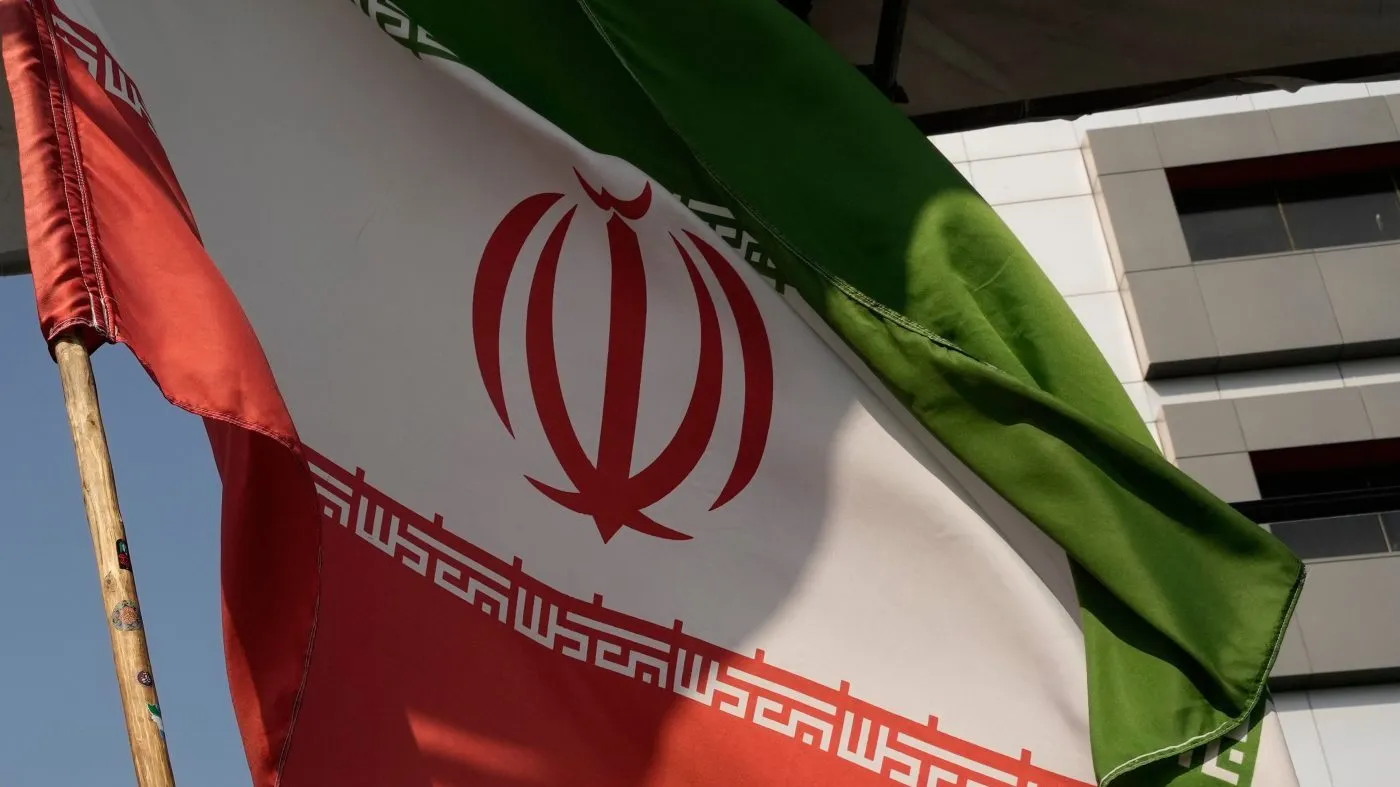
( NewsNation ) — A reported Iranian plan involving a potential “dirty bomb” attack in Washington, D.C., is raising questions about what the weapon is, how it works and the dangers it could pose.
President Trump told reporters Tuesday the U.S. takes the potential threat from Iran “very seriously because they happen to be crazy.” He didn’t say the threat was credible or imminent, but he did threaten Tehran.
CNN reported , citing sources, that U.S. intelligence indicates Iran is developing plans to potentially detonate a dirty bomb in Washington, D.C.
Iran’s Foreign Ministry spokesperson denied the report Tuesday in a post on social platform X , calling the allegations “baseless.”
So, what exactly is a dirty bomb, and how dangerous could one be?
A dirty bomb is a mix of explosives, such as dynamite, combined with radioactive material, according to the Centers for Disease Control and Prevention.
Unlike a nuclear weapon, a dirty bomb doesn’t produce an atomic explosion. Instead, it uses explosives to scatter radioactive dust, smoke or other material into the surrounding area.
The goal is to spread radioactive contamination rather than trigger a nuclear reaction, the CDC noted.
The immediate danger from a dirty bomb would likely come from the conventional explosion itself, which could cause serious injuries, deaths and property damage to people nearby, according to the CDC.
Radioactive materials used in a dirty bomb generally wouldn’t produce enough radiation exposure to cause immediate serious illness in most people outside the immediate blast area.
However, radioactive dust and smoke could spread beyond the explosion site. Inhaling or coming into contact with contaminated material could pose health risks.
Radiation cannot be seen, smelled, felt or tasted, making it difficult to determine whether an area has been contaminated without specialized equipment.
How often does the US receive dirty bomb threats?
White House spokesperson Lauren Bis told CNN the administration is “monitoring any and all potential threats, but at this time there are no credible threats to the homeland.”
Rep. André Carson (D-Ind.) who serves on the House Intelligence Committee, also told the outlet Monday that lawmakers receive “these kinds of reports quite often,” but many do not become public.
Another source told CNN that Iran understands an attack on the U.S. could trigger retaliation.
Officials have reportedly discussed possible countermeasures related to the potential threat in Washington, along with contingency planning for threats in the Middle East.
Topics in this story
Gathered from external sources. Rights to this text belong to whoever originally published it.