GLP-1 prescriptions for kids up more than 30,000 percent since 2019
Kids with obesity-related conditions like high cholesterol or sleep apnea were substantially more likely to be prescribed GLP-1s than those without.
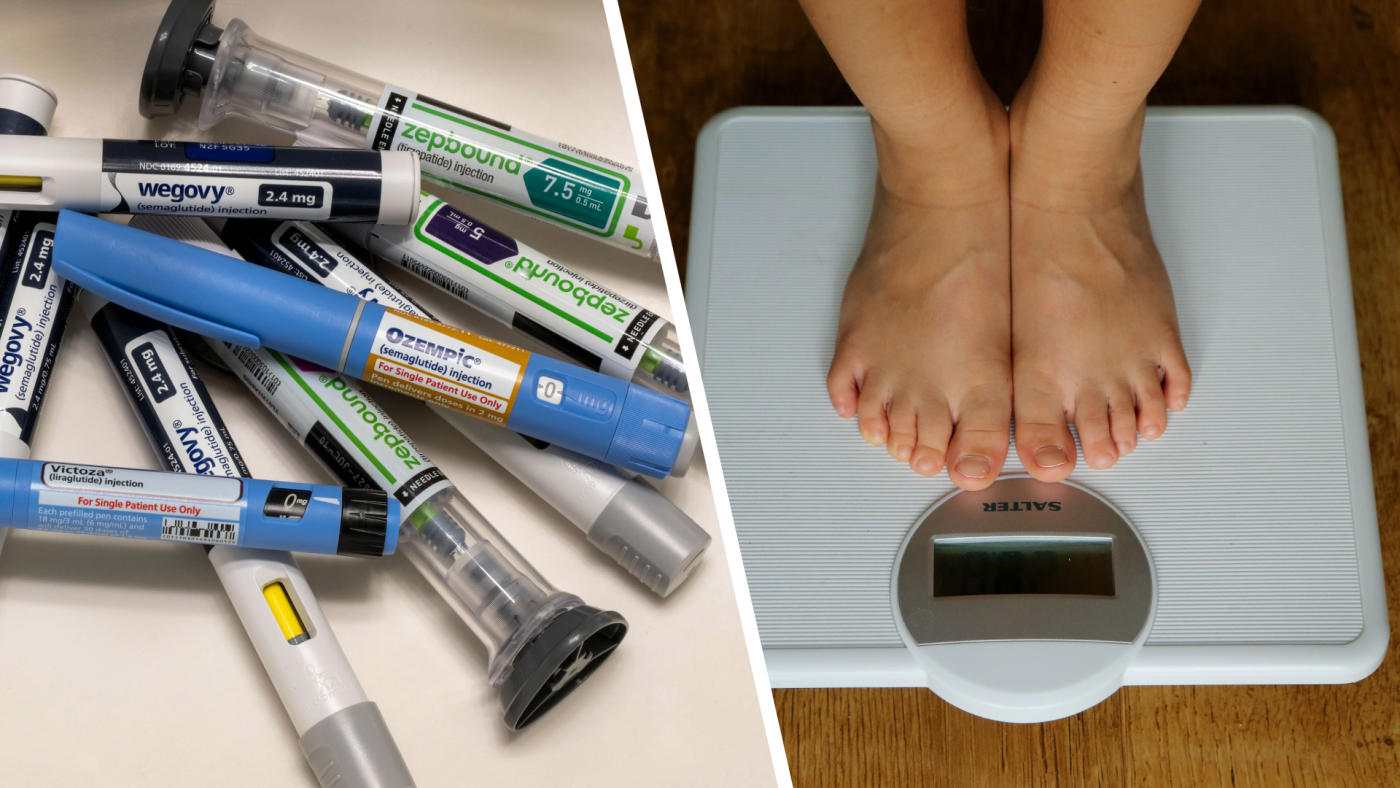
NewsNation — Over the last seven years, GLP-1 medication use in children age 8 to 11 has increased by nearly 31,000 percent, according to a new NYU Langone Health study .
The Food and Drug Administration (FDA) has not approved any GLP-1 medication for children under 12, but in drastic circumstances, doctors have prescribed it off-label.
Researchers analyzed health records for 3,520,531 children with obesity but without diabetes. The share of those children ages 8 to 11 who were prescribed a GLP-1 rose from 0.03 percent in 2019 to 9.3 percent in 2026 — a 310-fold increase. Kids with obesity-related conditions , from high cholesterol to sleep apnea, were substantially more likely to be prescribed the drugs than those without.
Dr. Babak J. Orandi, the study’s lead investigator and associate professor in the Departments of Surgery and Medicine at NYU Grossman School of Medicine, told the New York Post that despite the sharp rise, only 0.6 percent of the study’s 3.5 million children ever received a GLP-1 prescription over the full study period.
“In context, this is a very small number,” Orandi says. “Against that denominator, 20,282 GLP-1 children receiving prescriptions represents a tiny fraction of children eligible for treatment. While the number receiving treatment is very small, uptake is accelerating quickly.”
The doctor added that he is more concerned about the “underlying factors” driving obesity, which affects roughly 1 in 5 American children.
Overall, the study found that the weight loss drugs so far seem to be reserved “for those at greatest cardiometabolic risk.” Socioeconomic status also plays a role, with upper-income children more likely to be prescribed. Orandi notes, however, that “most who could benefit still aren’t.”
Topics in this story
Gathered from external sources. Rights to this text belong to whoever originally published it.