How Canada decided to hurt its own economy, raise its inflation—and most Canadians approved because they’re so angry at Trump
Oxford economists predict Canadian Prime Minister Mark Carney’s retaliatory tariffs will slow economic growth and raise consumer prices.
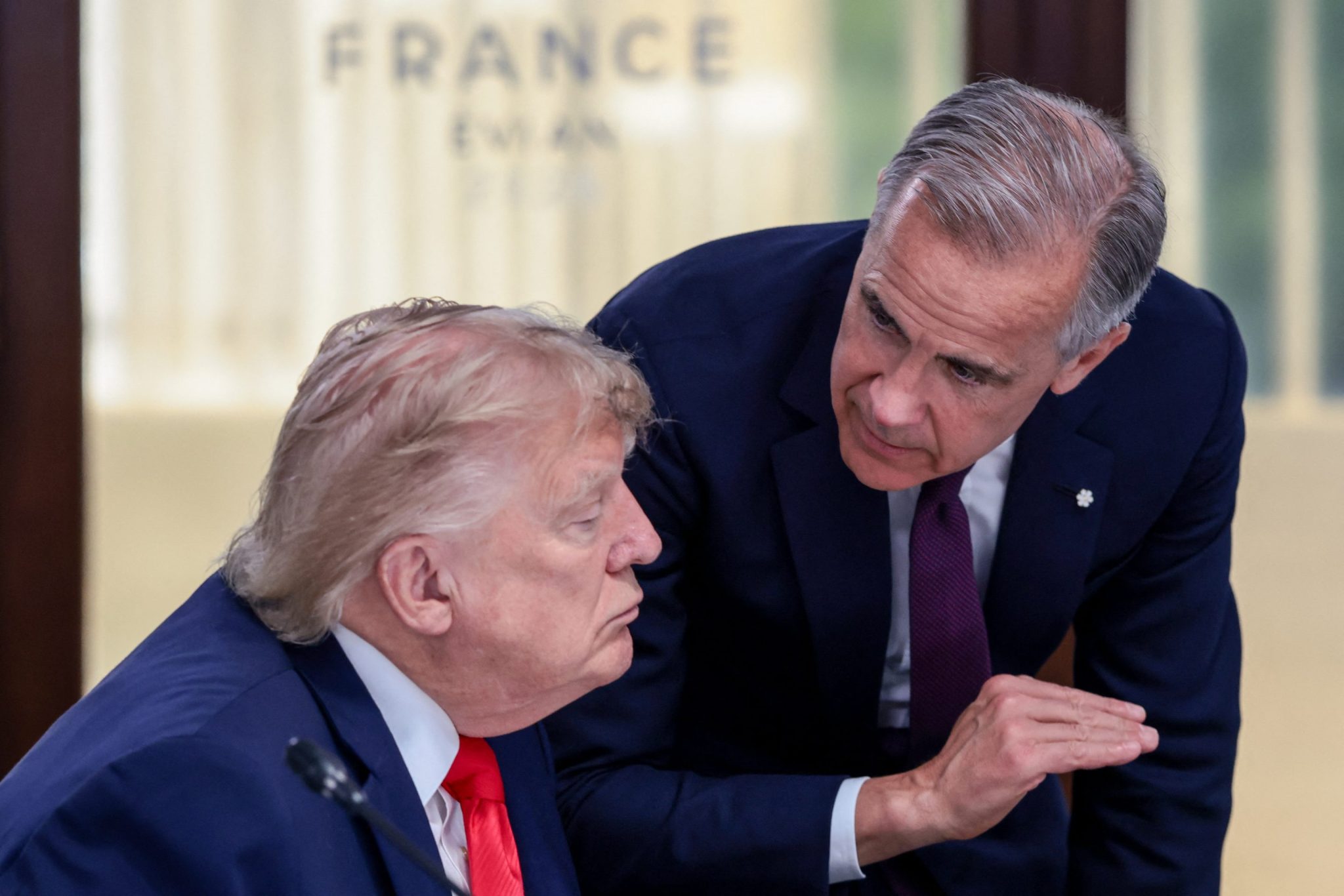
Economists are warning that Canadian Prime Minister Mark Carney's " dollar-for-dollar " tariff strategy could mean some economic pain for the Great White North, but Canadians are so frustrated with the Trump administration they support the move anyway.
Canada implemented retaliatory tariffs of 15% to 50% that took effect on Tuesday and will impact hundreds of U.S. goods, including paper, steel, aluminum, furniture, as well as cheese and seafood. The levies were in response to a breakdown of trade talks between the countries and the Trump administration's piling on of tariffs on $20 billion worth of Canadian goods earlier this summer.
But the strategy of imposing steep import taxes on the U.S. could cause a phenomenon similar to what happened to American importers, where Canadians carry the burden of the tariffs. In a report published after Canada announced the tariffs on Aug. 25, Oxford Economics analysts warned that while the retaliatory tariffs may help protect some domestic manufacturers, it will also force Canadian businesses to absorb added business costs and increase consumer prices.
Canada depends on the U.S. buyers for about 70% of its exports, and the U.S. economy is about 13-times larger than Canada's.
Oxford projected that Canada's GDP will likely grow by 0.8% in 2026, but tariffs will reduce growth in 2027 by 0.2% to 0.3% relative to its August baseline calculations. It predicted inflation to increase by about 0.3% compared to the August 2027 baseline.
Canada's retaliatory tariffs will most likely be felt in certain regions of the country, Oxford economists said. For example, Ontario, New Brunswick , and Quebec have the highest concentration of manufacturers impacted by the tariffs and rely the most on U.S. exports. British Columbia meanwhile has the highest percentage of its exports, 6.1%, subject to Section 338 Trump invoked to tax Canadian exports. Alberta, Newfoundland, and Saskatchewan—provinces that produce the most oil—will be less impacted on average.
"Canada's new retaliatory tariffs will help some industries but hurt most and weaken economic growth across the country by raising costs for producers and consumers," economists Tony Stillo and Michael Davenport wrote. "The macroeconomic impacts on Canada will likely be modest, but the regional and sectoral implications will be far more significant."
What are the stakes for Canada in its trade war with the U.S.?
Even as the economic stakes of Canada's involvement in the trade war escalates, Canadians have supported Carney, who is one of the few world leaders standing up to Trump, in the hopes that the import taxes on the U.S. will mount economic pressure and protect Canadian industry.
Topics in this story
Gathered from external sources. Rights to this text belong to whoever originally published it.