Appeals panel wrestles with block of RFK Jr.’s vaccine panel appointments
The Trump administration told a federal appeals panel Tuesday that a lower court erred in blocking Health Secretary Robert F. Kennedy Jr.’s handpicked appointees from serving on a key vaccine advisory panel. Justice Department attorney Matthew Zorn told the 1st U.S. Circuit Court of Appeals that a district court judge did not have the authority to…
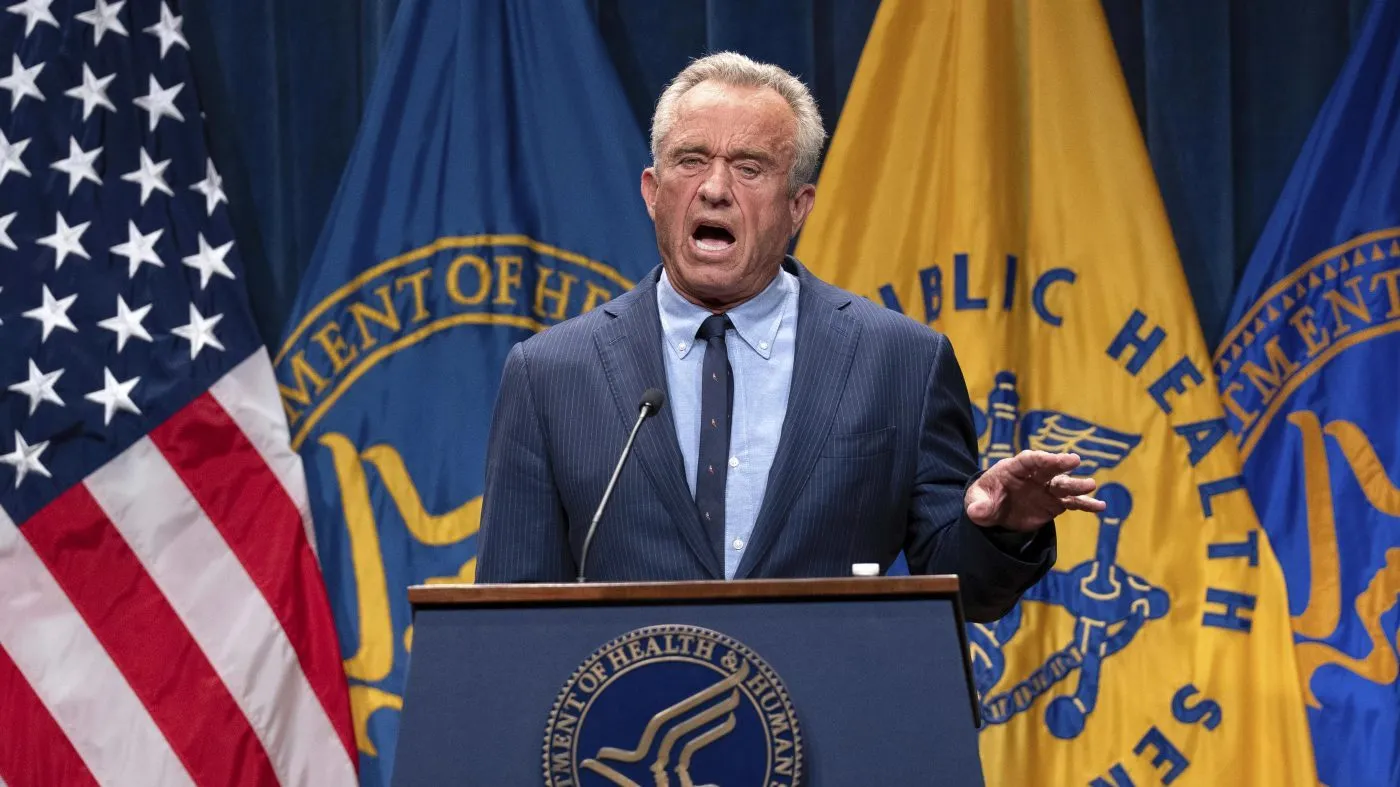
The Trump administration told a federal appeals panel Tuesday that a lower court erred in blocking Health Secretary Robert F. Kennedy Jr.’s handpicked appointees from serving on a key vaccine advisory panel.
Justice Department attorney Matthew Zorn told the 1 st U.S. Circuit Court of Appeals that a district court judge did not have the authority to suspend Kennedy’s appointments to the Advisory Committee on Immunization Practices (ACIP).
Zorn said the practical effect of the lower court’s ruling is that ACIP has been blocked from meeting in any capacity. Even if Kennedy tried to appoint new members, or followed a different procedure, Zorn said those moves would be blocked.
“The secretary wants to get the ACIP back to work, and we are being told if he reconstitutes any committee, it’s going to be right back in court,” Zorn said.
ACIP makes recommendations on vaccine policy to the Centers for Disease Control and Prevention (CDC), which help determine which shots are covered through private and government health insurance programs.
Judge Brian Murphy of the U.S. District Court for the District of Massachusetts ruled in March that Kennedy likely violated federal procedures when he fired all 17 members of ACIP and selected new panelists, many of whom shared his skepticism of vaccines.
Murphy ruled Kennedy picked “distinctly unqualified” individuals instead of experts on vaccines and immunization and disregarded the scientific process that historically underpinned the committee’s work.
Some of the judges on the appeals panel appeared puzzled about the lower court’s ruling, questioning why it seemed Murphy made no legal explanation for blocking Kennedy’s appointees.
The plaintiffs argued that Murphy’s ruling doesn’t prevent Kennedy from appointing a new ACIP. He just needs to follow the law’s requirements of fair balance and expertise for panelists.
They said the administration wants to use the same unlawful process to reconstitute ACIP with members who will support Kennedy’s quest to roll back childhood vaccines.
Over the course of three meetings prior to Murphy’s ruling, Kennedy’s ACIP rescinded several recommendations for childhood shots, including the immunization of all newborns against hepatitis B.
Murphy temporarily blocked the appointments, as well as other changes to the vaccine schedule made by ACIP and Kennedy, while the lawsuit plays out.
The lawsuit was filed by the American Academy of Pediatrics and other medical groups seeking to stop Kennedy from scaling back of the nation’s childhood vaccination schedule.
The lawsuit was originally focused on Kennedy’s decision to stop recommending COVID-19 vaccinations for most children and pregnant women, but it was amended as Kennedy and the Department of Health and Human Services took additional steps that they argued undermined pediatric vaccines.
For instance, Kennedy bypassed ACIP and unilaterally announced a new childhood vaccine schedule, effectively reducing the number of diseases against which children are routinely immunized to 11 from 17.
The Trump administration did not appeal the lower court’s pause of Kennedy’s changes to the immunization schedule. Instead, the government focused on ACIP.
Topics in this story
Gathered from external sources. Rights to this text belong to whoever originally published it.