The ugly tax battle brewing between baby boomers and millennials
Property tax breaks and Social Security are fueling a generational war over how much millennials and boomers should pay — and who should get relief.
Taylor Scriber, a millennial living in Texas , is trying to join the growing ranks of his generation and buy his first home. He's been scouring listings with his real estate agent, taking a few tours to see what suits him best, and estimating his potential costs, including property taxes .
The final piece of that homeowning puzzle has been stuck in Scriber's craw lately. After reading recent headlines about property taxes in the Lone Star state being slashed for older residents and those with disabilities, he started to feel that he may end up shouldering the fiscal burden through his own payments with resulting rate hikes — and costing out worst case scenarios for what the cost of his future home might realistically look like, since so many homes have those abatements. After all, since Texas has no income tax , sales and property taxes are key in funding municipal services, like schools. So as revenue from older homeowners dries up and cities continue to face budget shortfalls , he expects his local government to make up for the cuts in other ways — including taxes on his home-to-be.
"You're stuck there, and you're looking at an inevitable property tax increase, because a group of people are voting to opt themselves out," he says. Almost 40% of homesteads in Texas pay no property taxes for school districts. That includes about 61% of older and disabled homeowners, up from 44% in 2024. Scriber's family and friends over the age of 65 all seem sympathetic when he brings up the issue — at first. They agree that increasingly foisting more of the cost of a functional society onto younger generations could be a problem, but then they start thinking further.
"They just kind of thought about it for a moment, and they were like, 'But I want my property taxes to be lowered,'" he says.
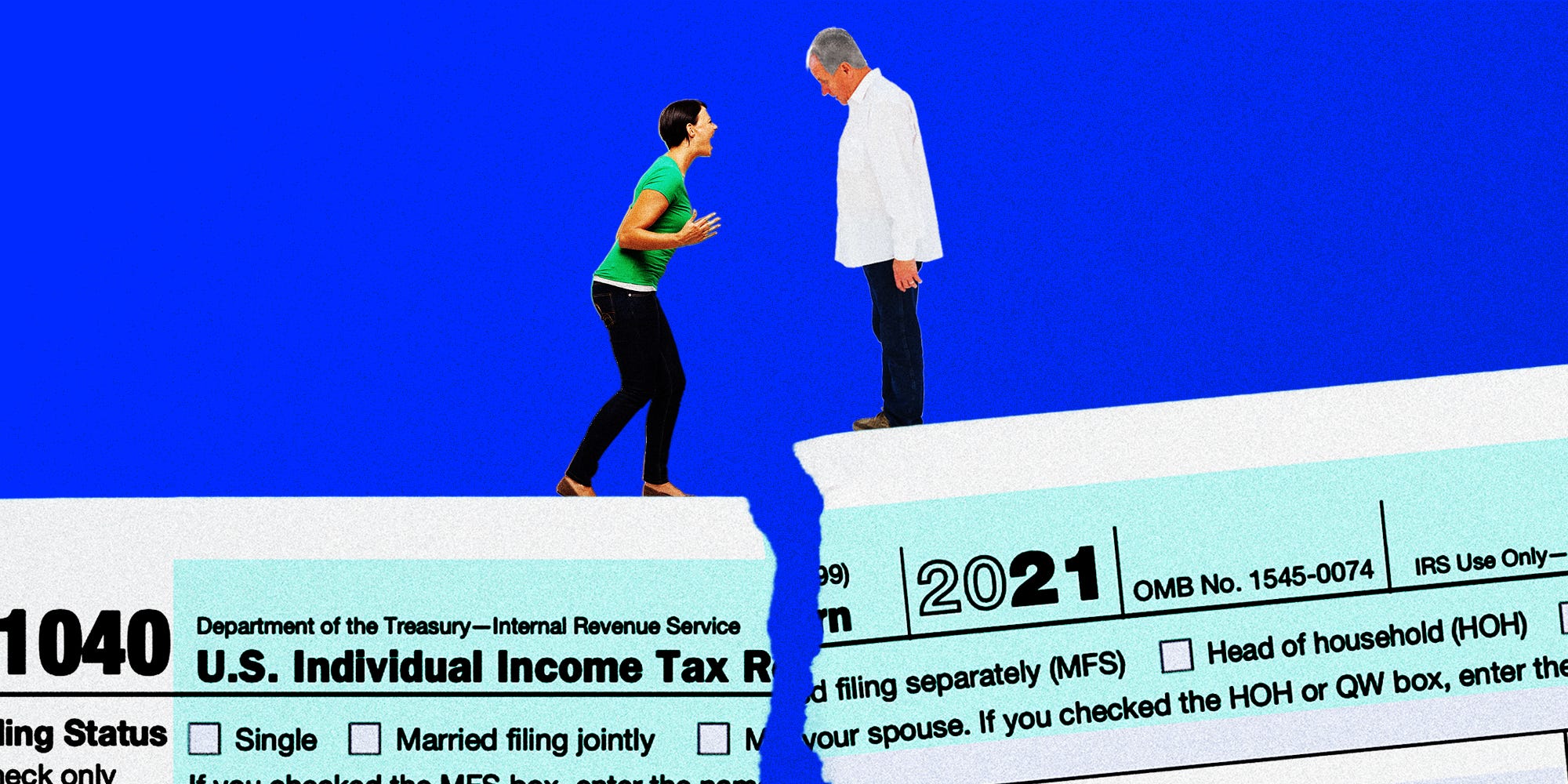
A generational tax battle has begun to envelop the US. The current beef stretches far beyond timeless "kids these days" and " OK boomer " finger-pointing. It's turning one of America's rare forms of collective support — taxes and the social safety nets they help fund — into yet another individualistic debate, and it could have economic consequences for decades to come.
For both the young and no-longer-young, the animus for the tax war comes from the same place: A sense of economic precarity.
Older Americans spent decades imagining a comfortable, or at least stable, retirement with Social Security undergirding their personal savings. Instead, boomers' golden years are feeling much more precarious than they expected. For one, they're living on a less-than-hoped-for retirement income: Just over 57% of Americans over the age of 65 have annual incomes under $40,000, according to Business Insider's analysis of the Current Population Survey. Boomers were the first generation to hit the workforce as pensions faded, and their self-directed savings aren't as large as many of them had hoped. Add in rising costs, including hefty property taxes, and things are starting to feel very shaky. Even Social Security , long thought of as the solid lifeline of retirement, is looking less assured. Without congressional action, older Americans could see their benefits shaved in the coming years.
Topics in this story
Gathered from external sources. Rights to this text belong to whoever originally published it.