Elizabeth Warren Calls for Social Security Tax Changes: ‘We Can Protect Social Security if Everyone Paid Their Fair Share’
Sen. Elizabeth Warren (D-Mass.) is calling for changes to the Social Security payroll tax cap, saying high-income workers pay the tax on a smaller share of t...
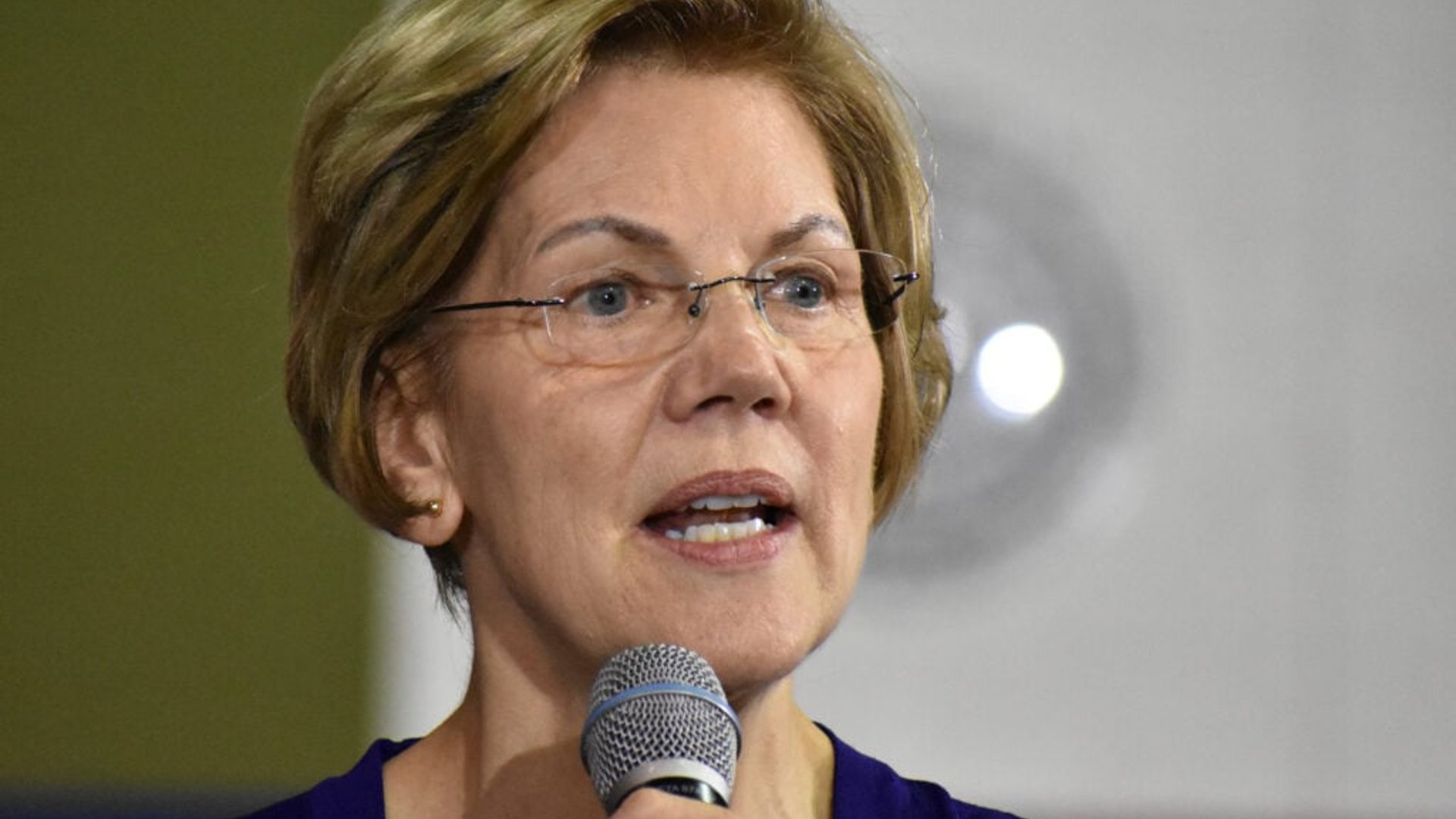
Benzinga and Yahoo Finance LLC may earn commission or revenue on some items through the links below.
Sen. Elizabeth Warren (D-Mass.) is calling for changes to the Social Security payroll tax cap, saying high-income workers pay the tax on a smaller share of their earnings.
In a post on X Wednesday, Warren compared workers earning $60,000 and $184,500 with someone earning $10 million, saying the first two pay Social Security taxes on all their earnings while the higher earner pays the tax only on the first $184,500. "That doesn't make sense," Warren wrote. "We can protect Social Security if everyone paid their fair share."
Think Your 'Safe' Stocks Protect You? You're Ignoring the Real Growth Triggers — Here's What to Add Now
Caught With Nothing Saved for Retirement? These 5 Game‑Changing Tips Could Still Save You
A teacher earning $60,000 pays Social Security taxes on every dollar she earns. A worker earning $184,500 does too. But someone earning $10 million pays tax on just the first $184,500. That doesn't make sense. We can protect Social Security if everyone paid their fair share. — Elizabeth Warren (@ewarren) September 22, 2026
A teacher earning $60,000 pays Social Security taxes on every dollar she earns. A worker earning $184,500 does too. But someone earning $10 million pays tax on just the first $184,500. That doesn't make sense. We can protect Social Security if everyone paid their fair share.
Elizabeth Warren (@ewarren) September 22, 2026
The maximum amount of earnings subject to Social Security tax is $184,500 in 2026. The Social Security payroll tax rate is 6.2% for employees and employers.
Warren and Sen. Bernie Moreno (R-Ohio) have proposed eliminating the taxable earnings cap, which would subject more income earned above the current threshold to the Social Security payroll tax. The proposal has been part of the broader debate over Social Security financing.
Trending: Think you're saving enough for your kids? You might be dangerously off — see why
The Social Security Old-Age and Survivors Insurance (OASI) Trust Fund is projected to be depleted in 2032, after which continuing program income would cover 78% of scheduled OASI benefits, according to the 2026 Social Security Trustees Report. The combined OASI and Disability Insurance trust funds are projected to remain able to pay full scheduled benefits until 2034.
Research on changes to the taxable earnings cap has estimated that eliminating the cap could close 67% of Social Security's 75-year solvency gap, while making 90% of earnings taxable could close 28% of the gap. A separate Tax Foundation scenario estimated that raising the taxable maximum to $346,000 could result in nearly 900,000 fewer jobs and a 0.7% reduction in GDP.
Topics in this story
Gathered from external sources. Rights to this text belong to whoever originally published it.