Pneumonic plague: What is it and how dangerous can it be?
The pneumonic plague is nearly always fatal without treatment.
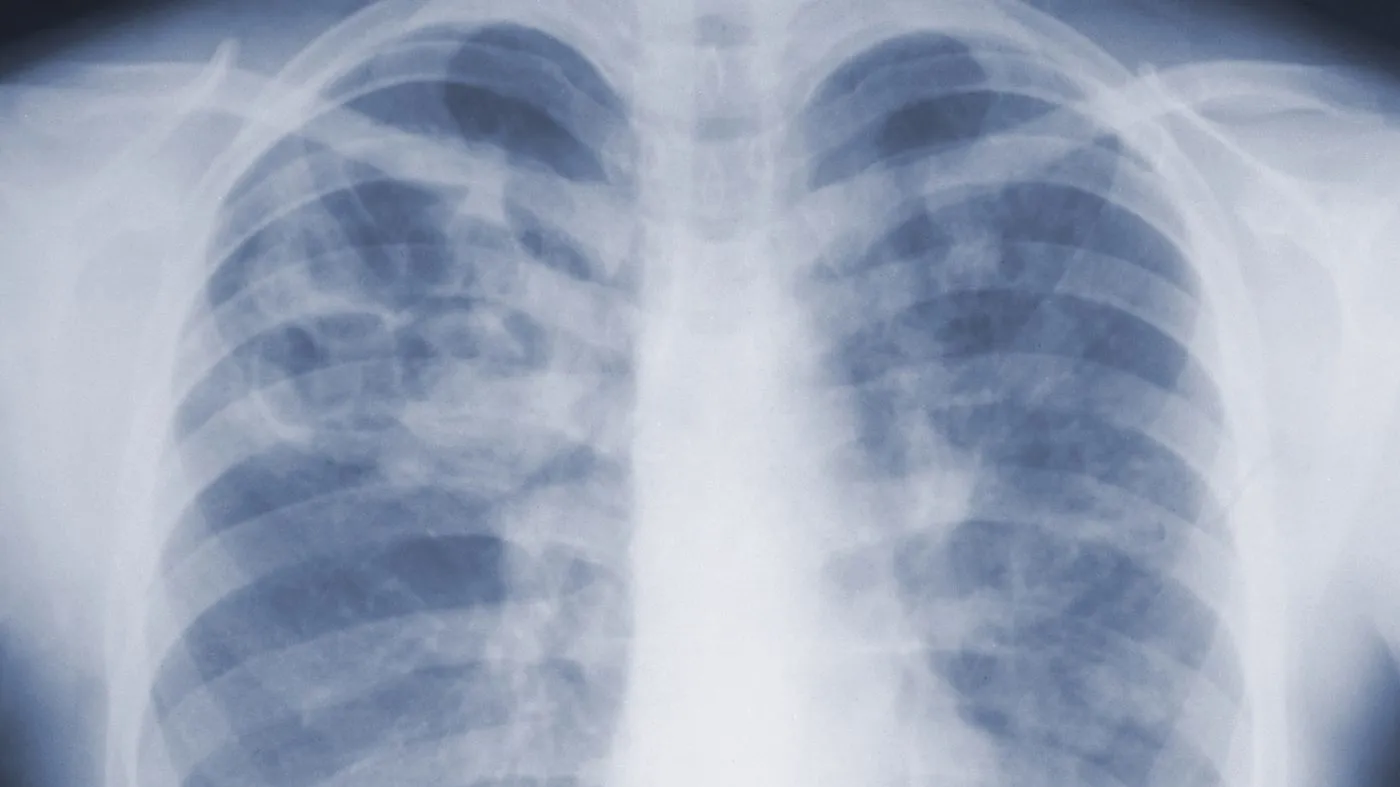
( NewsNation ) — A Russian scientist has died and 200 people are under medical observation as the White House is monitoring a suspected pneumonic plague outbreak .
Russia has not confirmed that the worker died of pneumonic plague , with the death being attributed to pneumonia of unknown origin, but the case has prompted calls for more transparency from Moscow.
Pneumonic plague is a disease caused when the bacterium Yersinia pestis, which causes the plague, enters the lungs.
It is the only form of the plague that can spread person to person through bacteria-containing droplets in the air.
It can also be caused when someone has bubonic or septicemic plague, caused by flea bites or contact with bacteria-containing bodily fluid or tissue, and the infection spreads to the lungs.
What are the symptoms of pneumonic plague?
The symptoms of pneumonic plague include weakness, headache, fever, chills, body aches, nausea and vomiting, shortness of breath and a bloody or watery cough.
Symptoms appear one to four days after exposure and worsen quickly.
Without treatment, pneumonic plague is almost always fatal.
However, the plague can be treated with antibiotics. With the pneumonic plague, beginning treatment within 24 hours of developing symptoms gives the best chance of survival.
What’s the difference between bubonic and pneumonic plague?
Both bubonic and pneumonic plague are caused by Yersinia pestis. The difference lies in what part of the body is infected. The bubonic strain is caused when the bacteria infect the lymph nodes, while the pneumonic plague is an infection of the lungs.
Bubonic plague is also more common, with cases still reported each year in the U.S., but pneumonic plague is more serious.
The infamous Black Death , which wiped out more than a third of the European population in the 1300s, is attributed primarily to the bubonic plague.
How has Russia responded to the outbreak?
Russia has not confirmed that the scientist died of pneumonic plague, but she worked at an anti-plague institute and reportedly broke a test tube containing pneumonic plague pathogens.
The government has quarantined several healthcare facilities and is monitoring nearly 200 people who came into contact with the woman.
Topics in this story
Gathered from external sources. Rights to this text belong to whoever originally published it.