EPA launches drinking water study looking for traces of abortion pills
The Environmental Protection Agency (EPA) is launching a drinking water quality study that will for the first time look for traces of abortion pills mifepristone and misoprostol — something anti-abortion activists, attorneys general and lawmakers have been lobbying the agency to do for years. The agency stopped short of making mifepristone an official water contaminant…
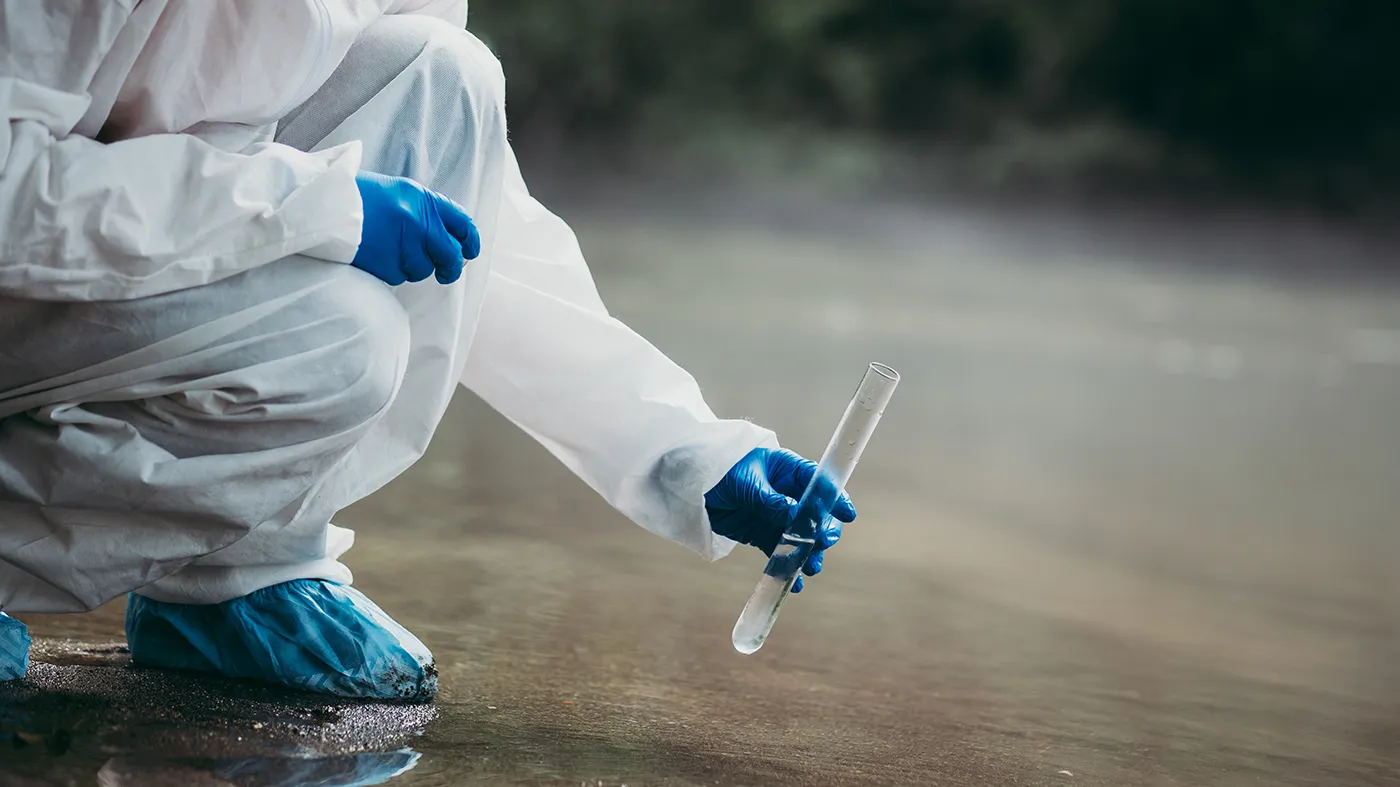
The Environmental Protection Agency (EPA) is launching a drinking water quality study that will for the first time look for traces of abortion pills mifepristone and misoprostol — something anti-abortion activists, attorneys general and lawmakers have been lobbying the agency to do for years.
The agency stopped short of making mifepristone an official water contaminant that would require regulation, but abortion opponents are hopeful the move is a precursor to restricting access to the drug, or at a minimum influencing a debate about its safety.
“It is exciting after a very long journey that’s been almost 10 years, to have this be taken seriously enough to be on an official list,” Kristi Hamrick, head of policy at Students for Life of America (SFLA), said in an interview. “But that doesn’t change the fact that there’s a lot of information that we need, for it to be useful for people to know.”
EPA earlier this month announced it will be conducting a “cutting edge scientific study” that will test for “emerging” contaminants. The agency will pick several locations in metropolitan areas across the country and screen for more than 1,400 pharmaceuticals, pesticides and other chemicals, including mifepristone and misoprostol.
EPA is also planning to screen for hormones such as testosterone and progesterone, as well as medications like levonorgestrel, which is used in some contraceptives and the morning-after pill.
There is no evidence that abortion pills are harming the water supply or are harmful to people. Environmental scientists and abortion rights advocates dismissed EPA’s effort as a political stunt from the Trump administration aimed at placating an increasingly frustrated anti-abortion movement ahead of the midterm elections.
Anna Bernstein, principal federal policy adviser for the Guttmacher Institute, said she isn’t necessarily worried that the Trump administration will take immediate concrete action to restrict mifepristone based off the study results. Instead, Bernstein said, state and local officials could use it as justification for crackdowns.
“I think what’s concerning here is that there’s already a culture of criminalization around abortion, especially since Dobbs [v. Jackson Women’s Health Organization], and the potential to use this as justification for further surveillance could create more fear for abortion seekers, for providers at a time when folks are already being criminalized and for their pregnancy outcomes, including abortion,” Bernstein said.
Nathan Donley, the environmental health science director at the Center for Biological Diversity, said there are chemicals on EPA’s list that are known contaminants and that should be regulated. But mifepristone is not one of them.
“There are major water contaminants that need to be regulated, and testing for those things can be good as long as regulation happens. And then on the other hand, if we’re wasting time on a witch hunt for … those things like mifepristone, then that’s time and resources we take away from regulating and studying things that that are actually a problem,” Donley said.
Donley noted that by comparison, other pharmaceuticals taken daily by tens of millions of Americans enter wastewater systems in far greater quantities without any evidence of harm.
“Its presence on the list is meant to stigmatize the drug instead of a true effort to try and identify a new water contaminant,” Donley said.
EPA’s tests will only show whether a chemical is present in the water, not how much of it or whether there is any harm to humans. It’s not clear yet where EPA will conduct the tests, or what it will do with the results.
“EPA is currently working with the water sector to identify water systems to participate in the study,” the agency said in a statement to The Hill. “EPA expects the study to take place over the next year. EPA is committed to transparency and will publish results via reports and peer-reviewed literature after data analysis and all quality assurance reviews are completed.”
The testing campaign is not part of the agency’s routine update to the Safe Drinking Water Act’s contaminant list, or any other established unregulated contaminant monitoring lists, so there is no regulation required.
The unregulated contaminants list is a way for EPA to collect nationwide data on chemicals, which could be used to set federal limits in the future.
But scientists said any process that could set limits on mifepristone in drinking water would take years. Instead, they expect the study results will be used as part of the broader campaign to get mifepristone pulled from the market.
“This is kind of end-running the whole Safe Drinking Water Act required monitoring program, and going directly to an unprecedented fishing expedition,” said Betsy Southerland, a former career scientist in EPA’s Office of Water who left during the first Trump administration.
“I don’t think in any stretch of the imagination [EPA Administrator Lee Zeldin] is planning for this 10-year process to take place to put a drinking water standard out for mifepristone. I think he’s planning to use the immediate results to try to get FDA [Food and Drug Administration] to take it off the market,” Southerland said.
Medication has become the most common method of abortion since Roe v. Wade was overturned, and limiting the availability of the pills — which women usually take at home in the first 10 weeks of pregnancy — has become a major focus of the antiabortion movement.
SFLA has been the primary organization on the front line of pushing EPA to investigate how mifepristone might be contaminating the water supply, and to require utilities nationwide to monitor for the drugs.
The organization alleges more than 50 tons of medical waste are flushed into water systems each year as a result of abortion drugs, causing significant environmental harm.
“There are no studies finding mifepristone in the water. It’s because those studies haven’t been done, and the reason those studies haven’t been done is because we use so little of this compared to other bona fide water contaminants, and it doesn’t have the chemical hallmarks of known water contaminants,” said Donley.
Kristan Hawkins, SFLA’s president, in a statement said EPA’s study was “an exciting first step,” but noted that the group is still pushing for “mandated, ongoing testing.”
In announcing the study, EPA did not mention either of the two abortion pills. Instead, it tied the action to the Make America Healthy Again Movement, led by Health and Human Services Secretary Robert F. Kennedy Jr.
“We have heard loud and clear that Americans are concerned about potential unknown pollutants lurking in their drinking water,” Zeldin said in a statement. “What we learn will provide clarity and peace of mind while guiding the agency’s continued efforts to Make America Healthy Again.”
Topics in this story
Gathered from external sources. Rights to this text belong to whoever originally published it.