HHS to allow sale of unapproved peptides under review
The Department of Health and Human Services (HHS) will allow compounding pharmacies to manufacture and sell peptides that have not yet been added to the list of approved substances, advancing access to those championed by the “Make America Healthy Again” (MAHA) agenda. The HHS stated in a notice that it would be practicing enforcement discretion…
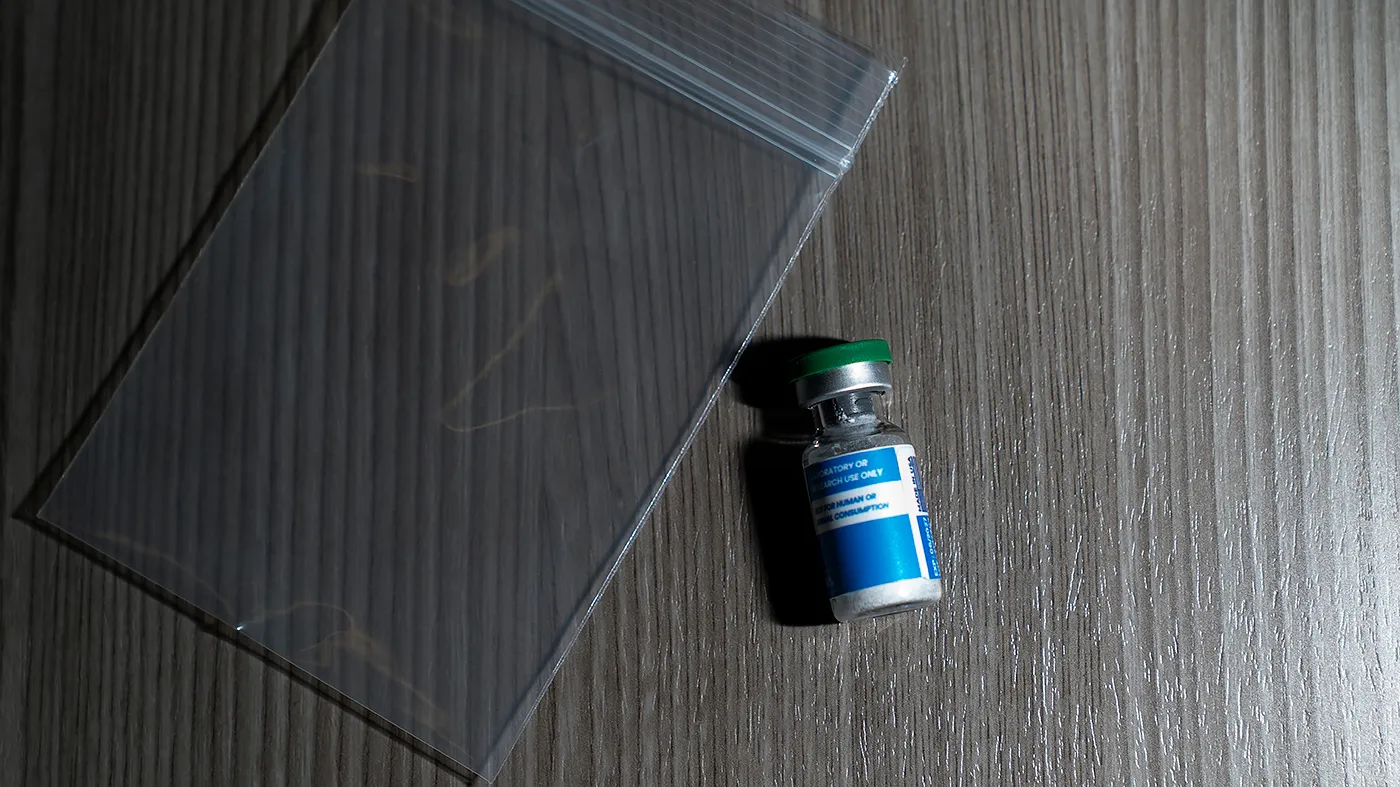
The Department of Health and Human Services (HHS) will allow compounding pharmacies to manufacture and sell peptides that have not yet been added to the list of approved substances, advancing access to those championed by the “Make America Healthy Again” (MAHA) agenda.
The HHS stated in a notice that it would be practicing enforcement discretion — upholding only certain regulations or disciplinary actions — when it comes to manufacturing and selling of the peptides BPC-157, TB-500, Epitalon, KPV, MOTS-c and Semax.
This decision essentially gives compounding pharmacies the go-ahead to sell those six peptides without having to worry about regulatory pushback from federal agencies. State-level rules on what and how much compounding pharmacies can make differ and potentially clash with federal rules.
These are the same peptides that the Food and Drug Administration’s (FDA) Pharmacy Compounding Advisory Committee (PCAC) voted in favor of allowing the pharmacies to make and sell, despite evaluations by FDA scientists finding that there was not enough evidence to support claims that these substances helped with certain conditions.
The Trump administration said the move would “expand and improve patient access while FDA reviews these substances, in the circumstances below, HHS does not intend to take enforcement action against a State-licensed pharmacy, Federal facility, or licensed physician compounding a drug product using” one of the peptides it cited on Tuesday.
Earlier this month, the FDA submitted an “interim access policy” to the White House for review, though details of the policy were not made available at the time.
In its notice, the HHS acknowledged these peptides are not FDA-approved, evaluated for safety and may even “pose risks to patients,” but it stated the decision by the PCAC indicated “significant interest” in peptide use.
Last year, HHS Secretary Robert F. Kennedy Jr. added numerous new members to the committee, several of whom own wellness clinics or pharmacies and are ideologically aligned with Kennedy’s favorable views on peptides.
Topics in this story
Gathered from external sources. Rights to this text belong to whoever originally published it.