Bipartisan senators press Blanche for guidance on automated license plate readers
A bipartisan pair of senators are pressing the head of Department of Justice to provide guidance to state and local law enforcement agencies to prevent the misuse of automated license plate readers (ALPRs) as backlash against the technology grows across the country. In a letter sent Monday, Sens. Raphael Warnock (D-Ga.) and Katie Britt (R-Ala.)…
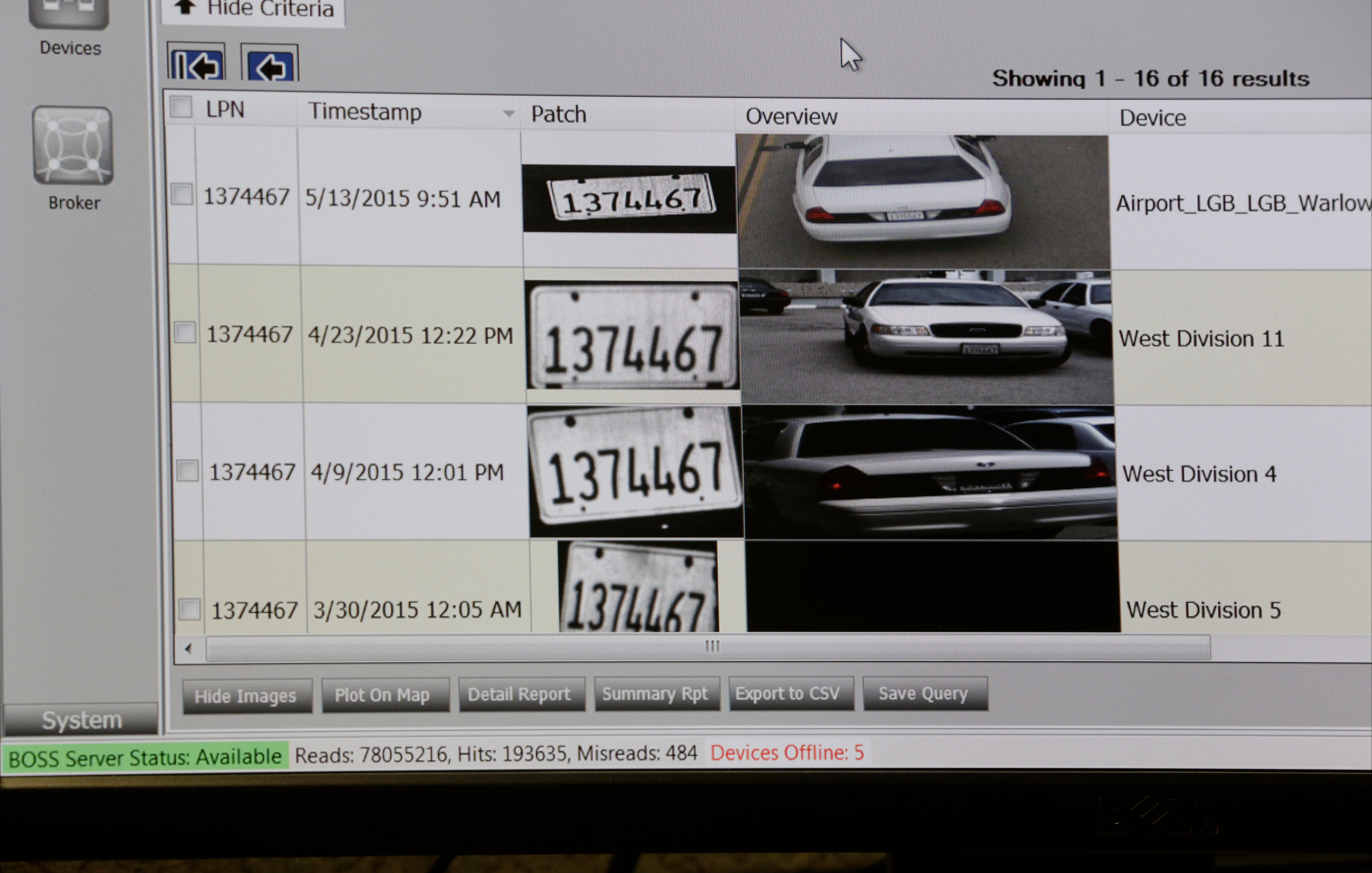
A bipartisan pair of senators are pressing the head of Department of Justice to provide guidance to state and local law enforcement agencies to prevent the misuse of automated license plate readers (ALPRs) as backlash against the technology grows across the country.
In a letter sent Monday, Sens. Raphael Warnock (D-Ga.) and Katie Britt (R-Ala.) urged Attorney General Todd Blanche, urging him to issue the guidance and disclose details about any DOJ use of ALPRs.
“While law enforcement agencies around the country appropriately use ALPR for legitimate public safety purposes including the investigation of violent crime and the location and recovery of missing and abducted persons, misuse of these systems undermines the public’s confidence in the technology,” the senators wrote.
The lawmakers said they request “information about the DOJ funding and oversight of such systems to prevent such misuse and ensure compliance with applicable federal statutes and regulations.”
The senators mention Flock Safety, which became mired in controversy earlier this year for its network of more than 120,000 cameras across the country.
Flock’s plate readers not only record license plate numbers, but specific details about a car to create what the company calls a “vehicle signature.” These details include the make, model and color of the car along with unique features like bumper stickers, decals, and accessories. The company does not use biometric data or facial recognition.
A series of news reports in recent months have uncovered multiple instances of law enforcement misusing Flock or other ALPRs.
An investigation by The Washington Post found that more than 50 officers had been accused, charged with or convicted of misusing Flock or other license plate readers to spy on exes or romantic interests.
“We are deeply concerned about the misuse of ALPR systems and believe that appropriate safeguards are necessary to protect against unauthorized access and abuse, including by individuals who might misuse the technology to stalk and harass their victims,” Britt and Warnock wrote.
“We also want to ensure that funding of these technologies is paired with appropriate oversight to ensure that the funding is not used to facilitate such abuse,” they added.
From local to federal government, policymakers across the aisle have increasingly sounded the alarm about the technology’s privacy implications this year.
The issue gained gained recent attention on the right, stoking privacy-conscious conservatives despite the party’s support for law and order.
The extent of federal agencies’ use of ALPRs is unclear. According to a report from the U.S. Government Accountability Office last year stated Customs and Border Protection (CBP), Immigration and Customs Enforcement (ICE) and the Secret Service disclosed agreements to query or view information from third-party automated license plate readers.
In addition to funding, the senators asked Blanche to answer what “grant oversight and accountability” mechanisms the DOJ has in place to address potential misuse, and whether the agency has policies on the collection, storage and access to ALPR data.
The lawmakers’ letter was sent just two days before the Senate’s Judiciary Subcommittee on Crime and Counterterrorism hosts a hearing on Flock’s “nationwide AI surveillance network.”
Sen. Josh Hawley (R-Mo.) said he invited the CEOs of Flock and other ALPR firms to testify, though none were listed on the witness list as of Tuesday afternoon.
The Hill reached out to the DOJ and Flock for further comment.
Topics in this story
Gathered from external sources. Rights to this text belong to whoever originally published it.