Crypto bill falls short in early hurdle on Senate floor
A cryptocurrency regulation bill failed to advance on the Senate floor Tuesday, after all Democrats and a few Republicans blocked a procedural vote. The Senate voted 49-50 on a motion to proceed with consideration of the Clarity Act, failing to reach the required 60-vote threshold. It marks a major setback for the industry, which has long pushed for the measure setting up a regulatory…
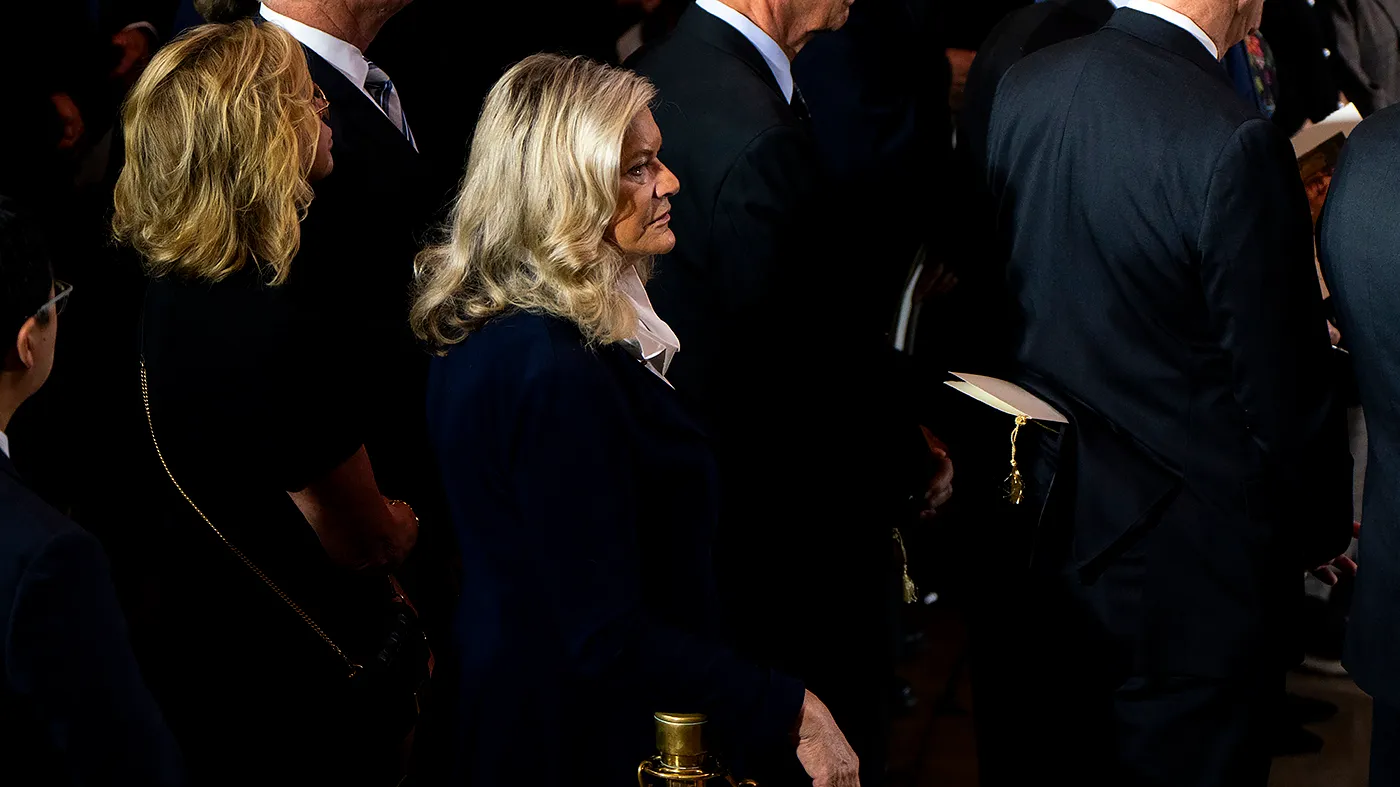
A cryptocurrency regulation bill failed to advance on the Senate floor Tuesday, after all Democrats and a few Republicans blocked a procedural vote .
The Senate voted 49-50 on a motion to proceed with consideration of the Clarity Act, failing to reach the required 60-vote threshold. It marks a major setback for the industry, which has long pushed for the measure setting up a regulatory framework for the crypto market.
Four Republicans — Sens. Susan Collins (Maine), Josh Hawley (Mo.), Jerry Moran (Kan.) and Thom Tillis (N.C.) — split with the rest of their party to oppose the measure.
The vote Tuesday came amid a flurry of last-minute efforts to strike a deal between Republicans and crypto-friendly Democrats.
About a dozen Democrats were considered potential yes votes. But they ultimately declined to support the legislation after the two sides failed to reach an agreement on ethics rules amid lingering concerns about President Trump and his family’s involvement in the crypto industry.
Sen. Cynthia Lummis (R-Wyo.) slammed her Democratic colleagues Tuesday, suggesting the vote “proved they were never truly serious about protecting consumers and preserving American leadership.”
“I sat at the table with Senate Democrats working in good faith to get this done while they played games,” she said in a statement. “For over a year, they presented demands and the second we met them, they made new demands and moved the goal posts.”
Senate Republicans put forward what an aide described as their “last, best and final offer” on Sunday, unveiling updated bill text with changes to the ethics language and a several other sections at the heart of negotiations.
The new White House-approved ethics provision builds on earlier language that barred public officials, including the president, from issuing or sponsoring crypto assets.
It initially only gave enforcement power to the Department of Justice (DOJ). But after pushback from Democrats, the latest version also allows state attorneys general to bring cases against the agency or crypto exchanges over violations.
This still fell short for Democrats. Sen. Raphael Warnock (D-Ga.) suggested Monday that there were “a whole lot of loopholes” in the new ethics language.
“I will tell you this: Democrats should not advance a bill that does not address the Trump family’s approach to this, where they’re clearly focused on enriching themselves,” he told reporters.
Sen. Ruben Gallego (D-Ariz.), who has been a central player in negotiations, accused GOP leadership Tuesday of ending talks and forcing a vote “just as Democrats and Republicans were making progress to address ethics concerns.”
“This legislation failed squarely because Republicans refuse to say no to the president,” he added in a statement. “It takes 60 votes to pass a bill, and instead of spending their time twisting themselves into knots to appease President Trump, Republicans should have worked more closely with Senate Democrats to craft a bill that could pass with strong ethics provisions.”
Topics in this story
Gathered from external sources. Rights to this text belong to whoever originally published it.