Your favorite park may be near a Superfund site: Here’s how to check
A new study found that your favorite outdoor spaces may not be so far removed from pollution and toxic waste as you may have guessed.
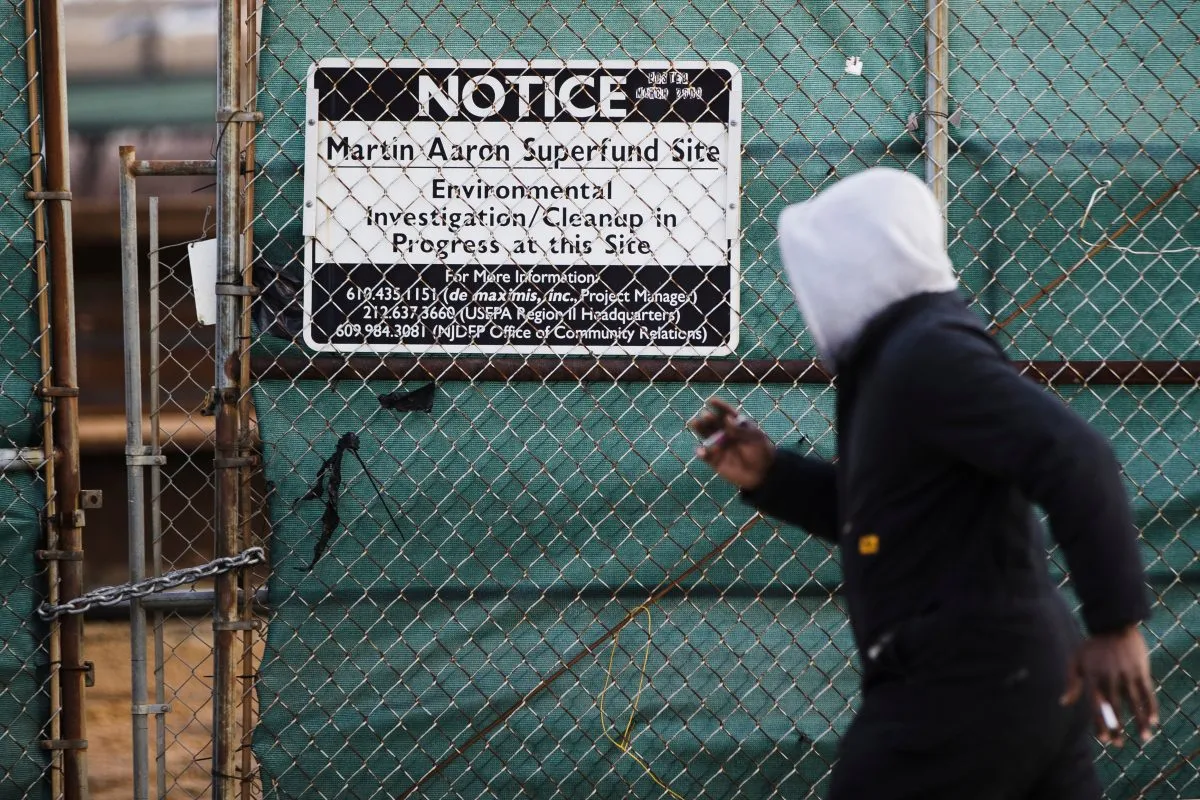
(NEXSTAR) – For many, visiting a park can feel like a reprieve, pulling you into nature and away from the cluttered, dirty reality of the world. A new study found that those pristine outdoor spaces may not be so far removed from pollution and toxic waste as you may have guessed.
Researchers from the University of Michigan reviewed more than 151,000 public parks throughout the U.S. and found more than half are within two miles of an industrial facility that handles toxic chemicals.
Nearly 27,000 parks were found to be near sites that have been deemed so contaminated, they are dubbed Superfund sites. More than 2,400 of these parks have land that directly overlaps a Superfund site.
Superfund sites can pose a risk to humans due to the hazardous waste that has been “dumped, left out in the open, or otherwise improperly managed,” the U.S. Environmental Protection Agency explains. Under the Comprehensive Environmental Response, Compensation and Liability Act – nicknamed “Superfund” – the EPA leads the clean-up of these sites. (You can see if your home is near a contaminated Superfund site here ).
More than 60 parks were found to have facilities listed in the Toxics Release Inventory (TRI). Certain facilities in the U.S. that make, process, or use any of more than 800 chemicals or chemical categories have to file annual reports with the EPA, which are then compiled into the annual TRI.
The study did not measure any impacts the polluting sites may have on the nearby environment or the humans that visit the parks. However, it does help to show how prevalent the polluting sites are and how closely they “coexist alongside many of the places where we live, work and play,” co-authors Elliott Chemberlin and Philippa Clarke told Nexstar via email.
Chemberlin is a former Junior Professional Researcher at the University of Michigan Institute for Social Research, while Clarke is a University of Michigan professor of epidemiology and ISR researcher.
As the study showed, it isn’t uncommon for parks to form after former industrial sites and landfills have been cleaned up and redeveloped, an aspect that surprised Chemberlin and Clarke.
New York’s Central Park, for example, was found to be in close proximity to a Superfund site: the Hudson River. Within the last two decades, the Hudson has undergone extensive remedial efforts to remove millions of tons of polychlorinated biphenyls, or PCBs. The contaminants had been released into the river for roughly 30 years in the 1900s by General Electric plants. Still, the Hudson River is one of the largest federal Superfund sites in the U.S.
Other popular parks within close proximity to Superfund sites include Chicago’s Millennium Park, home to “The Bean,” the Gateway Arch in St. Louis, and the land on which the U.S. Capitol building stands. Even Green Bay’s Lambeau Field, where the Packers play, falls into this category.
You can view an interactive map of the parks reviewed by researchers here .
While the study did not measure whether there was pollution present in the parks, researchers noted that several studies have shown the importance of parks and their ability to improve our lives. They also noted studies that show living near polluted facilities and hazardous waste sites can be detrimental to our health.
Clarke said in a press release that the hope is for the study to help those planning future parks find land “farther from polluting sites.”
“We do not want readers to be alarmed about any potential overlaps, but we do want to encourage them to do more research about what’s happening in their communities and use this as a launchpad to be more informed advocates for how they want their parks to be managed,” Chemberlin and Clarke told Nexstar.
Topics in this story
Gathered from external sources. Rights to this text belong to whoever originally published it.