More Americans say AI will hurt the environment than help it: Poll
More Americans believe AI will have negative environmental impacts on the upcoming decade than those who think the technology will help the environment, a poll released Wednesday found. In the newly published survey from The Associated Press/NORC Center for Public Affairs Research, 47 percent of respondents predicted AI will do “more to hurt” the environment…
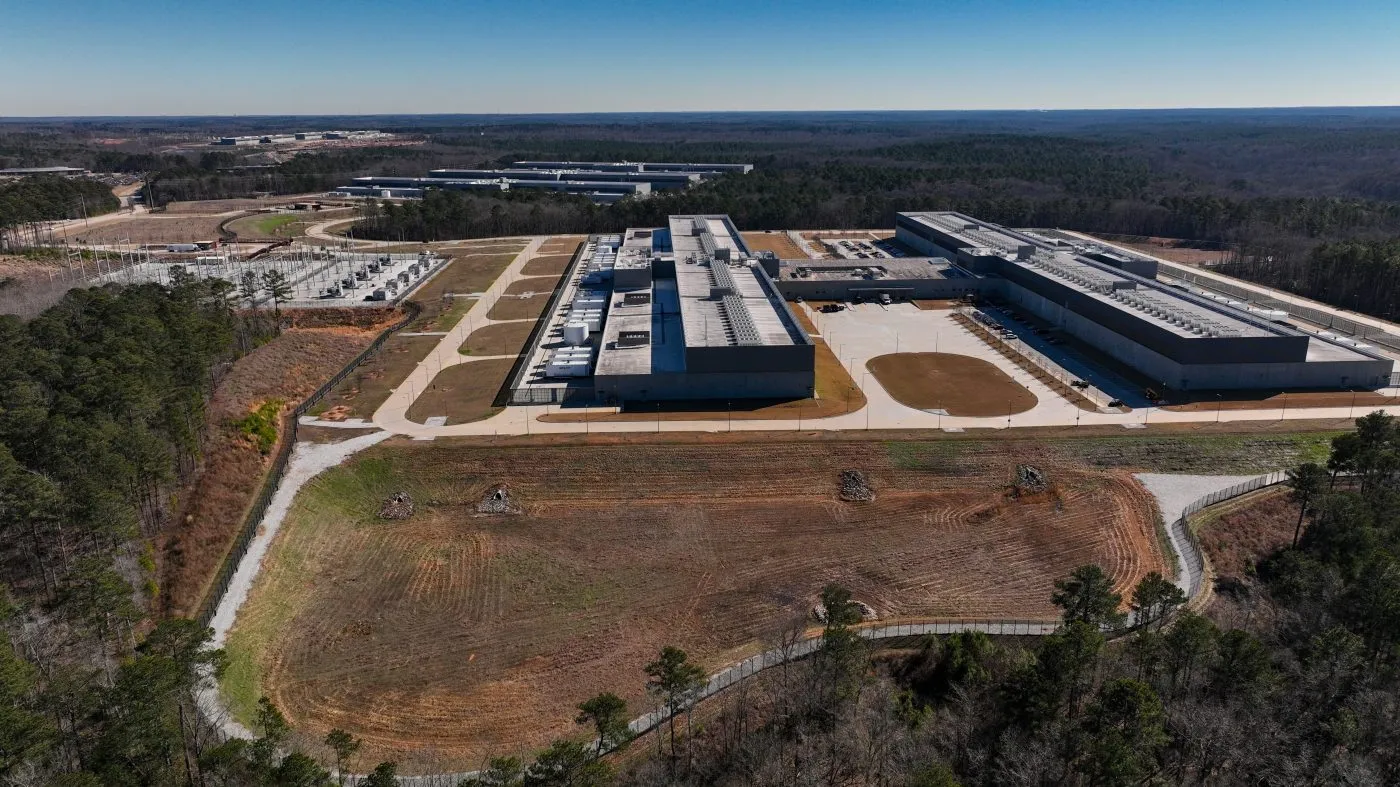
More Americans believe AI will have negative environmental impacts on the upcoming decade than those who think the technology will help the environment, a poll released Wednesday found.
In the newly published survey from The Associated Press/NORC Center for Public Affairs Research, 47 percent of respondents predicted AI will do “more to hurt” the environment over the next 10 years. Fifteen percent said AI would instead do “more to help.”
The report comes as the public grows increasingly skeptical of emerging AI technology, and the issues surrounding it — such as privacy concerns, the construction of large data centers and the lack of federal regulations — become key talking points amid the ongoing midterm election cycle.
Almost a fifth of respondents, 19 percent, said the technology “will not make much difference” when it comes to the environment, while 18 percent were unsure about AI’s impact in this area and 1 percent did not answer the question.
Fears surrounding the environmental impacts of AI appear to be up from last year. In 2025, 33 percent of participants in another AP/NORC study said they thought AI was going to do more harm than good to the environment.
In July, Microsoft reported carbon emissions increased by 25 percent last year, which the company primarily contributed to “the expansion of our datacenter infrastructure.”
“While the decision increases our reported emissions in the near term, it enables us to increase the development of new CFE [carbon-free electricity] rather than relying on certificates alone,” Microsoft Vice Chair and President Brad Smith and Chief Sustainability Officer Melanie Nakagawa said in the report.
They added, “We believe this change will create more long-term sustainability benefits. Growth-related emissions pressure was expected.”
The AP/NORC poll, funded by the University of Chicago’s Energy Policy Institute, took place from July 6 and 24. The survey featured 3,424 respondents and had a plus or minus 2.2 percentage point error margin.
Topics in this story
Gathered from external sources. Rights to this text belong to whoever originally published it.