Congress is looking to repeal a Social Security rule that impacts retirees who are still earning — is it the right move?
Millions of retirees could see a benefit boost if a new law passes Congress, but the impact on the trust fund could be more significant.
Moneywise and Yahoo Finance LLC may earn commission or revenue through links in the content below.
For millions of Americans, signing up for Social Security isn't a chance to exit the workforce but simply an opportunity to add some passive income while still working. It's surprisingly common for beneficiaries to be actively employed while collecting their benefits.
According to research by the Center for Retirement Research at Boston College (1), a whopping 43% of Social Security beneficiaries had combined earnings from work with benefits at some point between 1992 and 2022. In other words, a large swath of older Americans decided that Social Security wasn't enough to enable a full retirement.
Now, Congress is considering scrapping a rule that penalizes this cohort of working beneficiaries.
Jeff Bezos backs a platform that lets anyone invest in rental homes for as little as $100 — 6 ways to build wealth like a landlord without actually being one
JPMorgan sees gold hitting $5,000/oz by Q4 — and savvy investors are protecting their wealth with a tax-advantaged Gold IRA. Get your free guide from Priority Gold
The tax breaks in Trump's 'big beautiful bill' expire after 2028. Here are 4 moves to make before the window closes
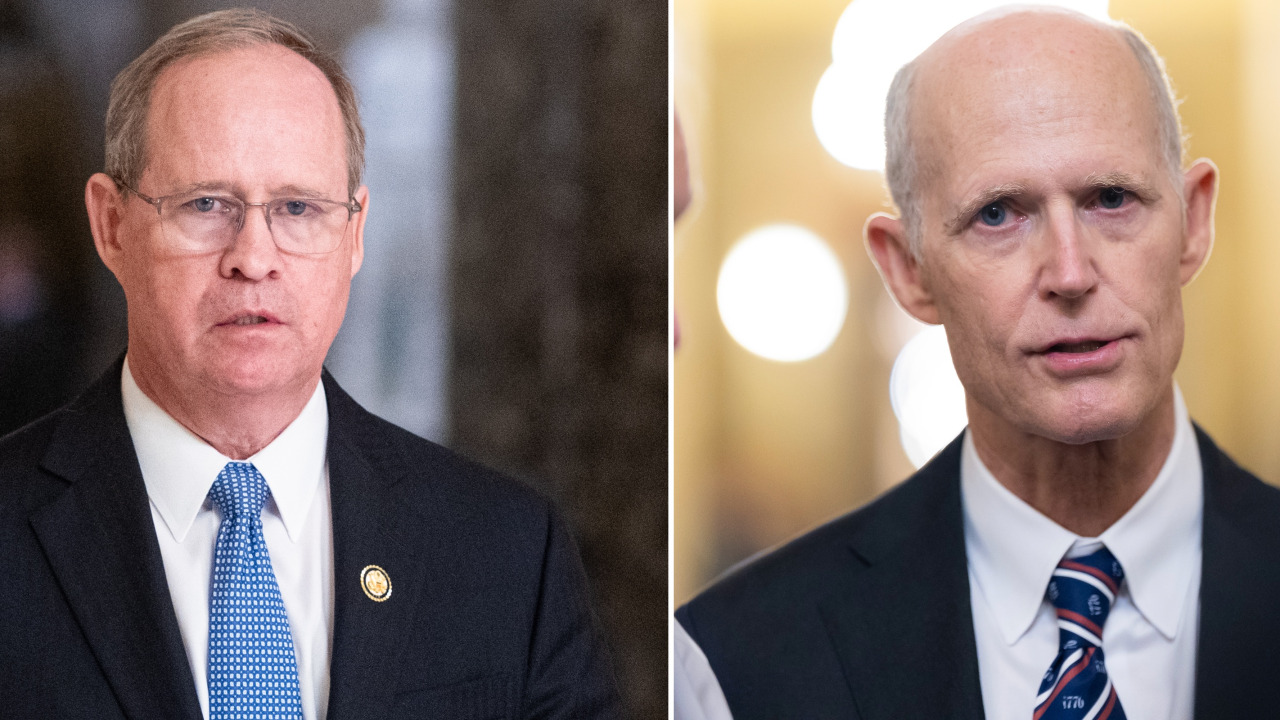
In April 2026, Rep. Greg Murphy, R-N.C., and Sen. Rick Scott, R-Fla., introduced the Senior Citizens' Freedom to Work Act (2) to repeal the Retirement Earnings Test (RET) (3), which defers benefits to some people who are below the normal retirement age (NRA) and still earning an income.
For decades, the RET has allowed the Social Security Administration (SSA) to claw back some benefits from individuals who earn above specific thresholds every year (4). In 2026, the threshold is $24,480 for anyone reaching their NRA in 2027 or later. The SSA withholds $1 for every $2 earned above this limit.
For those reaching their NRA in 2026, however, there's a lot more room for income. The threshold is nearly triple — $65,160 — and only $1 for every $3 in income is withheld. As for those above their NRA, there's no limit and no withholdings, which means even a six- or seven-figure salary would have no impact on their benefits.
Critics of this rule, such as Rachel Greszler, a visiting fellow at the Economic Policy Innovation Center, argue that it disincentivizes older Americans who want to remain employed (5).
"The federal government should not penalize older Americans or make it harder for them to remain in the workforce," says Greszler.
Topics in this story
Gathered from external sources. Rights to this text belong to whoever originally published it.