Druckenmiller tells former protégé Bessent his $4B bond buyback plan could spiral — and mortgage rates may not budge
The secretary’s former mentor, billionaire investor Stanley Druckenmiller, is sounding the alarm that this bond buyback is a big mistake.
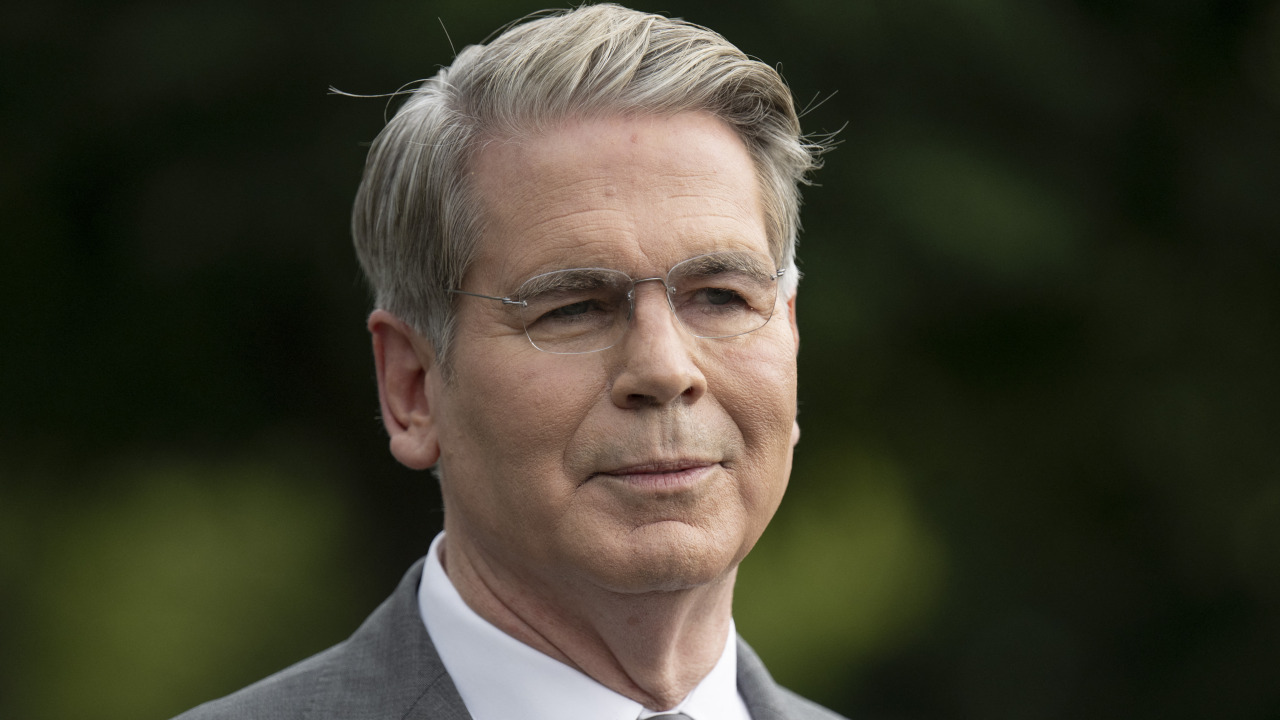
Your mortgage rate is influenced by what investors charge to lend money to the U.S. government. When that cost climbs, mortgage rates usually do too. And lately, it's been climbing.
So last week, the U.S. Department of the Treasury announced it would at least double the size of certain buyback operations for long-term government bonds — from a maximum of $2 billion to at least $4 billion per operation, starting in September . The Treasury says the goal is to keep the market running smoothly.
Jeff Bezos backs a platform that lets anyone invest in rental homes for as little as $100 — 6 ways to build wealth like a landlord without actually being one
Dave Ramsey warns nearly 50% of Americans are making 1 big Social Security mistake. Here's what it is and 3 simple steps to fix it ASAP
The tax breaks in Trump's 'big beautiful bill' expire after 2028. Here are 4 moves to make before the window closes
Stanley Druckenmiller, the billionaire investor who ran George Soros's Quantum Fund, sees it differently. He hired Scott Bessent at Soros Fund Management in 1991 and mentored him for years afterward . On Monday, he used a Wall Street Journal column to tell his former student — now U.S. Treasury Secretary — that he's making a mistake .
He worries the program won't stay small. If traders think the Treasury is defending a price, every rise in yields becomes a challenge, forcing the government to keep buying. "Every basis point of artificial yield suppression is a subsidy to procrastination," Druckenmiller wrote .
Then there's what he calls the quieter cost. The Treasury is shifting some risk away from investors and makes borrowing easier, even though inflation is still above the Federal Reserve's target — and this is happening weeks before a midterm election .
Markets liked the news for an afternoon. Treasury yields — what the government pays to borrow — dropped when the Treasury announced it. But by the next day they had climbed back past where they started .
Bessent then went on CNBC and said the U.S. Treasury could increase the buyback past the earlier announced $4 billion . Days after that, CNBC reported that senior Treasury officials consider the government's general account at the Federal Reserve — close to $1 trillion — available to help pay for the buying .
That's roughly what Druckenmiller predicted.
After an AI detection tool flagged the column, Druckenmiller told NOTUS on Tuesday that he had written it using artificial intelligence . "I write everything using AI now," he said, comparing it to reaching for a calculator when solving math. He denies the whole piece was machine-written and says the argument is his.
Topics in this story
Gathered from external sources. Rights to this text belong to whoever originally published it.