Bond Markets Like What They Heard From Fed Chair Kevin Warsh
The Fed’s first rate hike since 2023 eased some bond-market fears, but mortgage and borrowing costs could remain elevated.
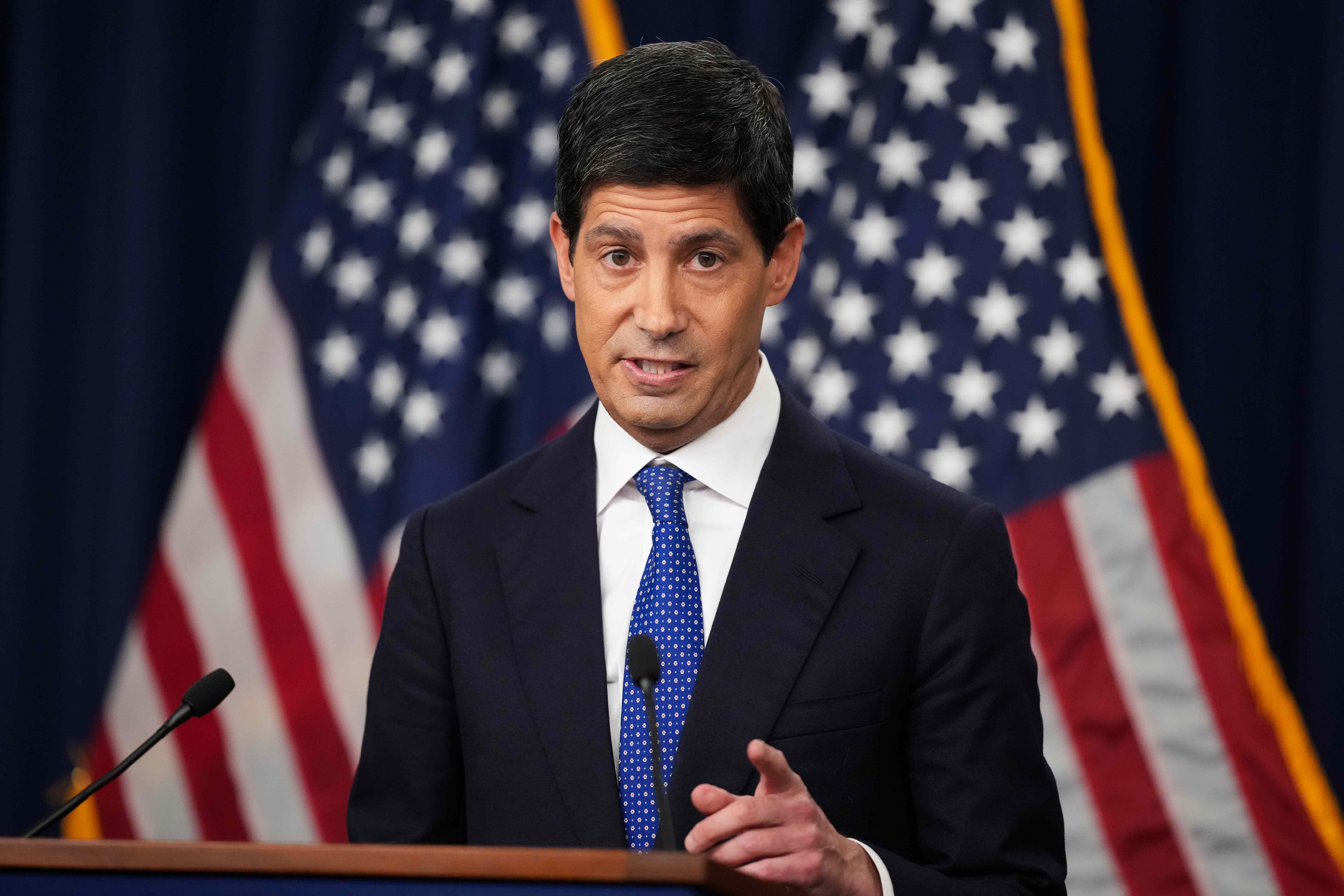
The Federal Reserve raised interest rates for the first time since 2023, signaling a commitment to reducing inflation to 2%.
Bond markets responded positively to Fed Chair Kevin Warsh's hawkish tone, with inflation expectations and Treasury yields stabilizing.
High energy prices and global debt levels remain key risks that could influence the market.
If bond markets gave report cards, Federal Reserve Chair Kevin Warsh would get high marks for Wednesday's meeting, where the Fed raised rates for the first time since 2023.
It wasn't a smooth path to get there. Bond investors have been lukewarm on Warsh in the early days of his tenure, a worry that ultimately costs households and businesses by raising mortgage rates and other borrowing costs.
Bond investors see inflation as an enemy, since rising prices eat at the fixed interest payments they collect on bonds. And they've had trouble taking Warsh at his word that he, too, dislikes inflation enough to raise rates and return it to 2%—the latest reading pegged it at an annual rate of 3.4%.
Warsh quelled those doubts on Wednesday. He gave a "confident, pound-the-podium press conference argument that the FOMC would achieve the 2% inflation target," wrote James Egelhof, chief U.S. economist at BNP Paribas.
"We believe the outcome of the September FOMC meeting was about as aggressive an initial effort to address credibility concerns as could have been reasonably expected," Egelhof wrote.
Bond investors' confidence in the Fed can influence longer-term yields and, in turn, borrowing costs. The Fed's new hiking cycle could keep rates elevated for homebuyers, businesses, and investors.
Fed officials voted unanimously to raise rates, and they signaled more hikes could come through their forecasts.
Warsh, who cringes at the Fed giving rate forecasts, did not offer one up himself. But he did say the Fed won't rest until it's confident inflation is moving back to 2% "clearly and at sufficient speed."
"The plain fact is that inflation is too high and has been for too long," Warsh said in his opening statement.
Bond markets gave Warsh a stamp of approval. The yield on the 10-year U.S. Treasury note was at risk of shooting higher if they didn't believe Warsh's message. Instead, it was essentially flat on Wednesday and Thursday fell below the 5% benchmark it'd been testing this week.
One gauge of bond markets ' views of inflation over the next 10 years fell to 2.33%, down from 2.38% a day earlier—signaling less concern that the Fed will let inflation get out of hand. That figure topped 3% in 2022, when post-pandemic inflation and the Ukraine war led to the highest inflation in decades.
Topics in this story
Gathered from external sources. Rights to this text belong to whoever originally published it.