Analysis-For Trump, doubling down on tariffs is about power, not popularity
By Trevor Hunnicutt and Andrea Shalal PALM BEACH, Florida, Nov 25 (Reuters) - In midterm elections three weeks ago, US voters punished Republicans over an ec...
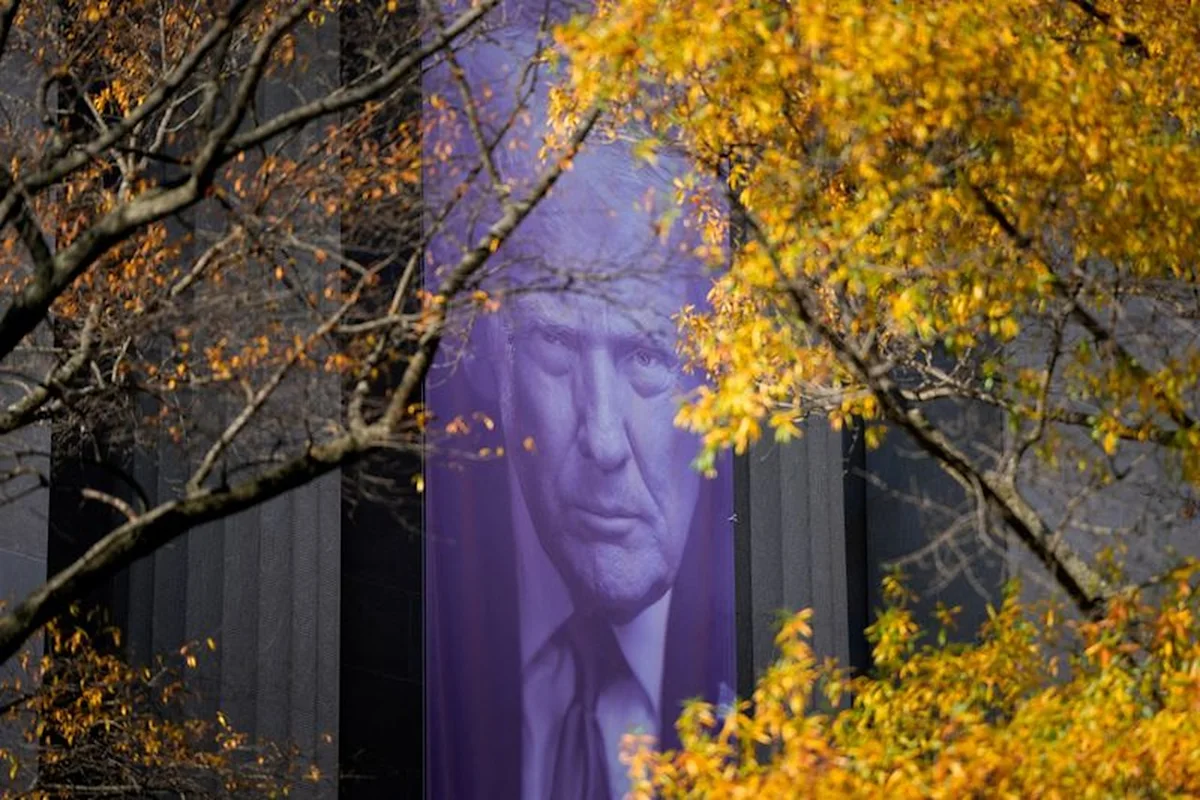
PALM BEACH, Florida, Nov 25 (Reuters) - In midterm elections three weeks ago, US voters punished Republicans over an economy and inflation that many said were made worse by tariffs. President Donald Trump is doubling down on them anyway.
The Trump administration on Wednesday announced a new round of tariffs on goods from 14 major trading partners, including China, Japan and the European Union, a seemingly counterintuitive move that reflects both Trump's decades-old belief in tariffs and a new political reality confronting his White House.
With Democrats set to control Congress for the final two years of his presidency, tariffs are taking on added importance as one of the most potent economic tools Trump can wield without lawmakers' approval.
Tariffs are taxes levied on imports, raising costs for consumers. But Trump sees them as a way to wring concessions from foreign leaders, force corporate CEOs to build plants in the US, raise cash for the government and curry favor with blue-collar voters, according to US officials and other people familiar with the president's thinking.
And after a midterm defeat for his party that threatens to sharply constrain his domestic agenda, Trump is eager to demonstrate that he remains capable of driving economic policy and exercising power even as his legislative clout diminishes, the people said.
"This is all because of tariffs," Trump told CNBC on Monday as he touted new factories being built in the US. But he said the policy could come with costs. "There's going to be always that little headache during this little transition period."
Some Republicans in Congress were quick to blame the president's tariff policy for the party's stunning midterm losses. Two-thirds of voters said Trump's tariff policies hurt the national economy, compared with 21% who said they had helped and 12% who found no difference, according to exit polls conducted by SSRS on behalf of a consortium of US media outlets. Yale University's Budget Lab estimated earlier this month that tariffs raised US household costs by $900 annually.
The administration nevertheless proposed new tariffs that would increase duties on targeted imports, with maximum rates of 20% to 40%, though completed or pending trade deals would generally limit them to 10% to 20%.
The new policy, which followed an eight-month review of trading partners' practices, revamps a set of tariffs that Trump imposed in 2025 and the Supreme Court struck down as illegal in February.
Topics in this story
Gathered from external sources. Rights to this text belong to whoever originally published it.