Trump's proposal to tie trade policy to Federal Reserve rate cuts could face long-term economic challenges
Kevin Warsh and the Fed have expressed interest in rate hikes, but are boxed in as inflation hinges heavily on oil prices.
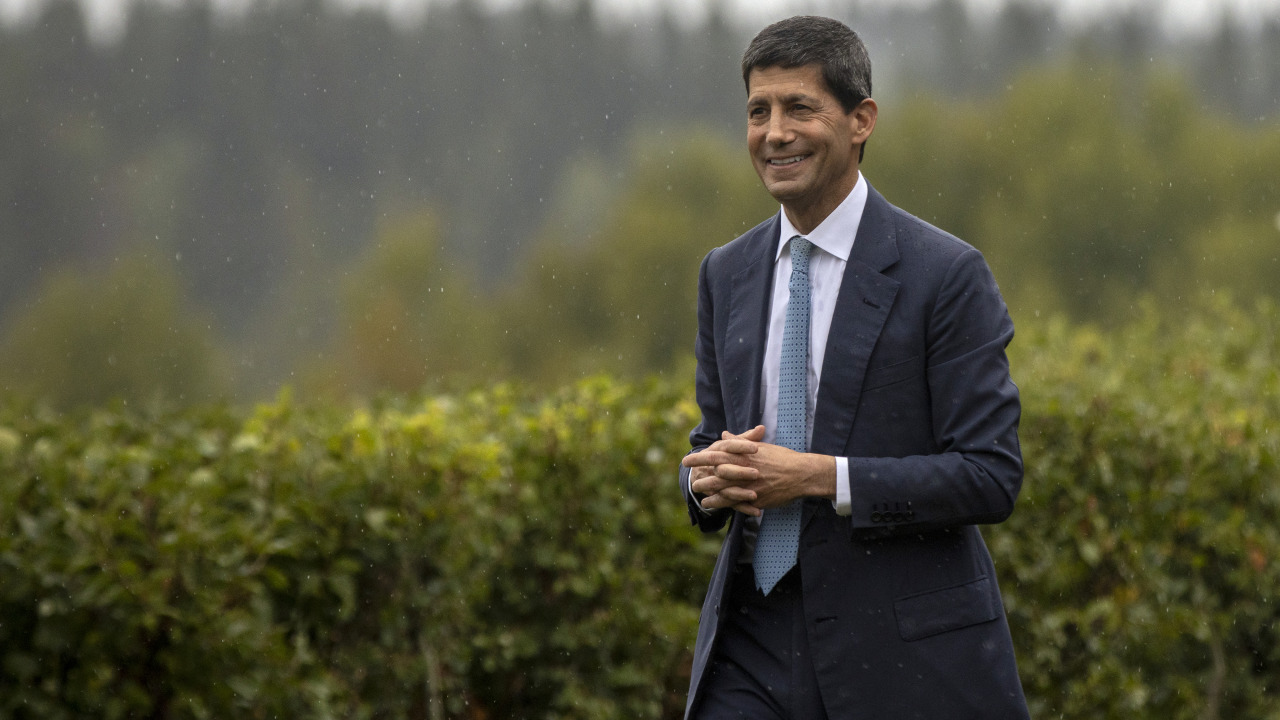
President Donald Trump is once again pressuring the Federal Reserve to cut interest rates, this time threatening to halt trade with some of America's biggest partners. The comments come as the economy faces persistent inflation and affordability concerns.
The president made the threat in a Truth Social post, responding to the stronger-than-expected job report.
Jeff Bezos backs a platform that lets anyone invest in rental homes for as little as $100 — 6 ways to build wealth like a landlord without actually being one
Dave Ramsey warns nearly 50% of Americans are making 1 big Social Security mistake. Here's what it is and 3 simple steps to fix it ASAP
The tax breaks in Trump's 'big beautiful bill' expire after 2028. Here are 4 moves to make before the window closes
"LOWER THE RATE OR I'LL STOP TRADING WITH COUNTRIES WITH WHICH WE HAVE A DEFICIT," Trump wrote . "IT'S BETTER THAN TARIFFS! The Fed Board, with its great new leader, must get smart — BE PATRIOTS for a change."
The U.S. ran a $1.2 trillion trade deficit last year, according to federal trade data and currently has a trade deficit with over 100 countries , including major partners like China, Mexico and Canada. It's unclear whether Trump's comment is a credible threat, but stopping trade with these countries would have an immediate effect on the supply chain and overall economy.
The Trump administration has been pressuring the Fed to lower interest rates, arguing that high rates will put the U.S. at an economic disadvantage compared to countries with lower rates.
Fed officials have been sending mixed signals ahead of the decision on Sept. 15. Federal Reserve Chair Kevin Warsh and other Fed members have signaled they are open to raising rates if inflation remains high, despite Trump's pressure.
"We must be confident that underlying inflation is moving to our objective, clearly and at sufficient speed. Otherwise, we have work to do," Warsh said in remarks he delivered at the Fed's annual Jackson Hole symposium .
The central bank has kept rates steady all year, with inflation sitting well above the Fed's 2% target . But Warsh has not specified what exactly he wants to see — and where inflation needs to go — for him to raise interest rates.
While Trump wants rates to come down, that may not be the best outcome for everyday consumers.
Higher rates would increase borrowing costs, impacting everything from car loans, credit card debt and mortgages at a time when affordability is already weighing on households. However, raising rates could help rein in spending and borrowing, which will cool the economy and ease inflation.
Topics in this story
Gathered from external sources. Rights to this text belong to whoever originally published it.