'The biggest loser' in Washington: Nobel Prize-winning economist says Scott Bessent won't get interest rates down
He also compared Bessent to another fiery speaker, Iraq’s “Baghdad Bob.”
Moneywise and Yahoo Finance LLC may earn commission or revenue through links in the content below.
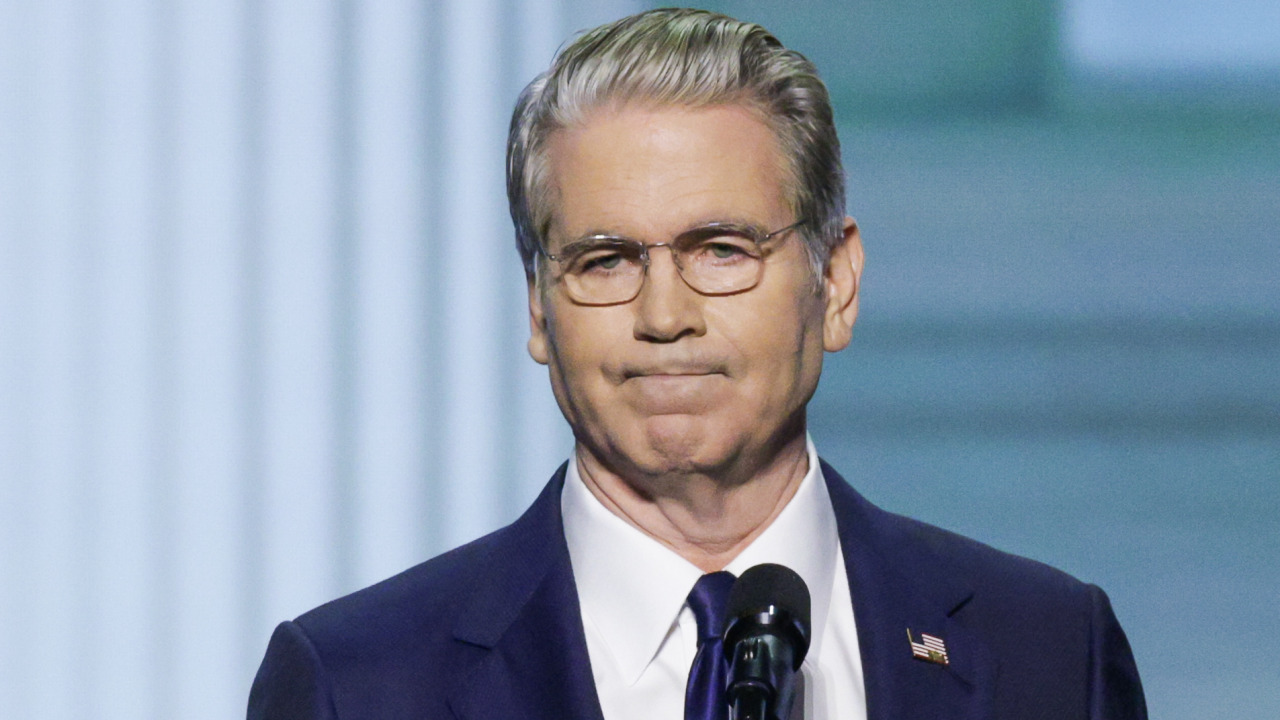
U.S. Treasury Secretary Scott Bessent isn't known for holding back at the podium. His remarks have made headlines, and some economists seem to have had enough.
Nobel Prize-winning economist Paul Krugman argued (1) on Substack that Bessent's recent comments evoke another fiery speaker, former Iraqi Minister of Foreign Affairs Muhammad Saeed Al-Sahhaf — known more prominently in the West as "Baghdad Bob."
Jeff Bezos backs a platform that lets anyone invest in rental homes for as little as $100 — 6 ways to build wealth like a landlord without actually being one
A single line on your car insurance policy could be inflating your premium by up to 30% — here's what to change
A record 45% of central banks plan to grow gold reserves — and many investors are following suit. Get your free gold IRA guide from Priority Gold
Krugman pointed to Bessent's declaration on Sept. 8 that "I am the house now" (2) while daring investors to bet against him.
Bessent seemingly backed up this statement by attempting to lower borrowing costs through buying back $6 billion in government debt (3) to reduce U.S. Treasury yields. However, by early October, both 10- and 30-year yields actually rose to their highest levels since 2002 (4).
That's the opposite of what was meant to happen.
These events led Krugman to call Bessent the "Baghdad Bob of bonds," arguing that the once well-respected Bessent is the "biggest loser" in the White House who has greatly damaged his credibility.
Krugman isn't alone in this critique either. A recent Bloomberg article (5) suggests that Bessent "risks boxing himself in with his prognostications on gasoline prices, the housing market and the economy."
Regardless of Bessent's potential missteps, these events highlight the strong forces driving the $30 trillion-plus U.S. Treasury market (6) — and that even the secretary of the Treasury is struggling to combat them.
Bond yields can rise because of factors such as inflation fears, high issuance of bonds, low demand for bonds and the potential for higher policy interest rates from the Federal Reserve.
Contributing factors to current bond yields include a strong U.S. economy (7) and high oil prices, heavy bond issuance (8) by tech firms raising money to fund AI, and a five-year U.S. Treasury note auction in September that went poorly (9) (and may signal weak demand for U.S. Treasuries).
Topics in this story
Gathered from external sources. Rights to this text belong to whoever originally published it.