What to know about Iran’s ‘dirty bomb’ threat
A reported Iranian plot to carry out an alleged “dirty bomb” attack in Washington, D.C., is raising questions over potential targets, the danger of such a weapon and whether Iran even has the capability or intent to carry out that type of attack. CNN reported Monday that U.S. intelligence indicates Tehran is developing plans to…
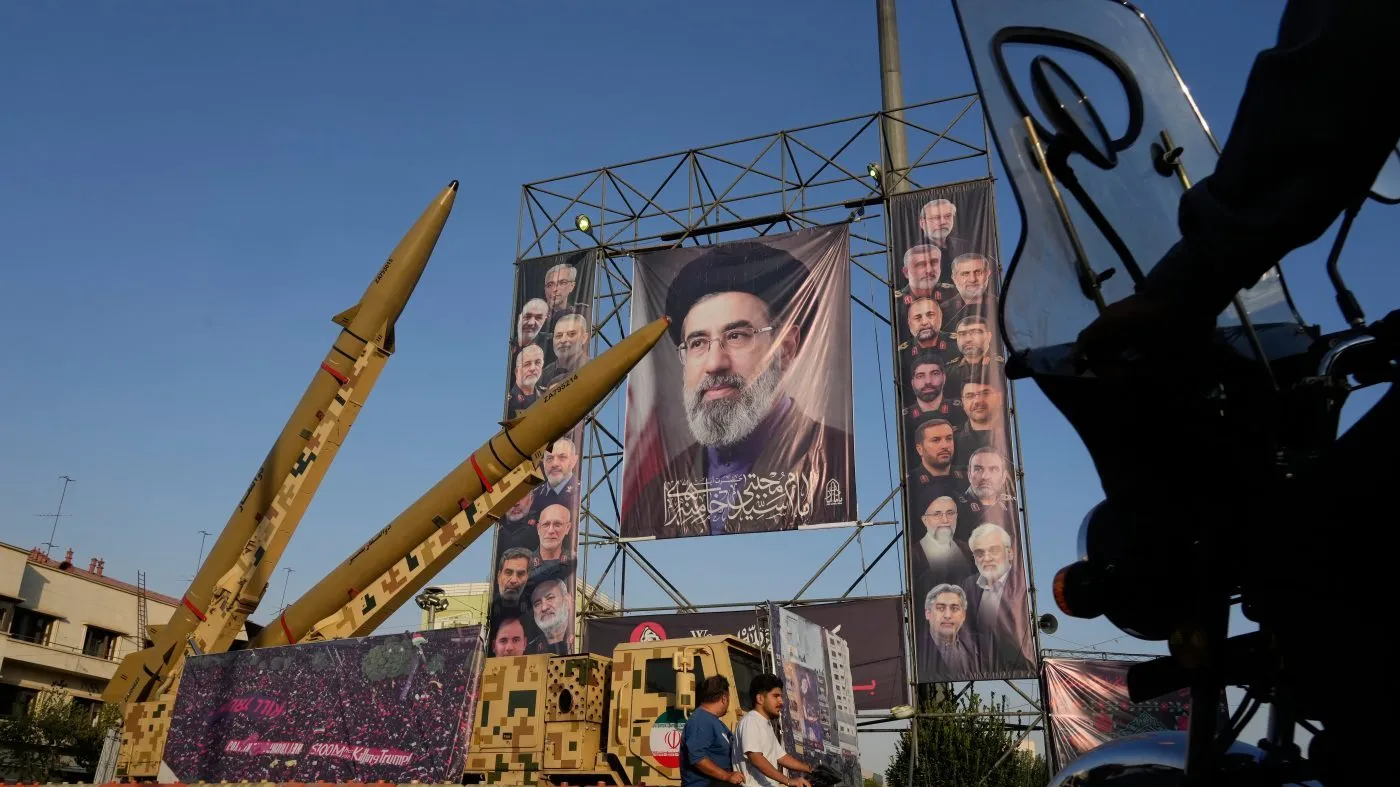
A reported Iranian plot to carry out an alleged “dirty bomb” attack in Washington, D.C., is raising questions over potential targets, the danger of such a weapon and whether Iran even has the capability or intent to carry out that type of attack.
CNN reported Monday that U.S. intelligence indicates Tehran is developing plans to target senior Trump administration officials by detonating such a chemical weapon, with specific locations and targets setting off contingency planning, two sources told the outlet.
The news comes as diplomatic talks to end the nearly nine-month conflict have appeared to stall yet again, even as President Trump insists that the war is essentially over.
Washington’s intelligence apparatus reportedly picked up Iranian claims it has stashed bomb-making materials inside the United States — a process that is considered relatively easy.
The planning is currently seen as the regime giving itself options as the war stretches on, and not an indicator of an imminent attack, sources familiar with the latest intelligence told CNN.
Another line of intelligence suggests Tehran may use chemical weapons against U.S. service members, diplomatic and intelligence personnel stationed in the Middle East, as first reported by The New York Times.
A dirty bomb, which mixes conventional explosives with radioactive material, is intended to spread radioactive contamination and is seen as more effective at harming individuals in dense urban environments. Washington, the nation’s capital, is home to nearly 700,000 people in addition to tens of thousands more who come into the city daily for work.
The United States is seen as particularly vulnerable to such an attack, given that a dirty bomb is relatively easy to assemble and does not necessarily require someone to enter the country to detonate it. A person already living inside the United States could be recruited to carry out an Iranian plot.
The White House in a statement to CNN said that the U.S. is “monitoring any and all potential threats, but at this time there are no credible threats to the homeland.”
Asked Tuesday about the report, President Trump said officials were taking the threat seriously and that Iran would “pay a price the likes of which no country has ever paid before” if it attacked Washington.
“I hope it’s not, but we take it very seriously, because they happen to be crazy,” Trump said at the Association of Southeast Asian Nations summit in Manila, Philippines.
Homeland Security Secretary Markwayne Mullin also sought to assure that “the homeland is secure,” saying on CNBC’s “Squawk Box” that Iran’s planning was “aspirational,” and not a “new threat” even as officials are taking it seriously.
“The homeland is secure, I can tell you that. But every day we are addressing new threats,” he said.
He added that any Iranian attack on the homeland “would cause an all-out war” with the U.S.
“That means we are going to use all the resources, not air resources, but all the resources to go in and destroy you,” Mullin said.
Iran has staunchly denied the report, with Foreign Ministry spokesperson Esmaeil Baghaei on Tuesday calling the allegations “baseless” and a “fabricated media narrative” in a post on social platform X .
“Those who initiated the aggression against Iran are now seeking to lay the media groundwork for their sinister designs by manufacturing and disseminating baseless allegations,” Baghaei wrote. “Step by step, they are attempting to manufacture a veneer of legitimacy for further aggression and atrocities.”
He added: “Iran knows well how to respond to any act of aggression and ensure that it is met with an unforgettable response.”
Iranian Foreign Minister Abbas Araghchi likewise on Tuesday called the report “Iraq War-style propaganda,” referring to the U.S. claims of “weapons of mass destruction” in Iraq as justification for the 2003 war.
While a dirty bomb, also known as a “radiological dispersal device” (RDD), is considered far, far less damaging than a conventional nuclear bomb, the explosion of such a weapon could cause death or injury to anyone within the blast radius.
The Nuclear Regulatory Commission says most RDDs “would not release enough radiation to kill people or cause severe illness,” but its explosion “could create fear and panic, contaminate property and require potentially costly cleanup.”
And while a dirty bomb’s radiation could be dispersed within a few blocks or miles of the explosion, it is not considered a “weapon of mass destruction,” rather a “weapon of mass disruption,” where contamination and anxiety are the main objectives, according to the commission.
Topics in this story
Gathered from external sources. Rights to this text belong to whoever originally published it.