Peter Schiff says Trump’s ‘numbing the pain’ of America’s $40T debt problem — protect your retirement before crisis hits
30-year Treasury yields hit 5.34% as national debt crosses $40T. Here's how to shield your portfolio.
Moneywise and Yahoo Finance LLC may earn commission or revenue through links in the content below.
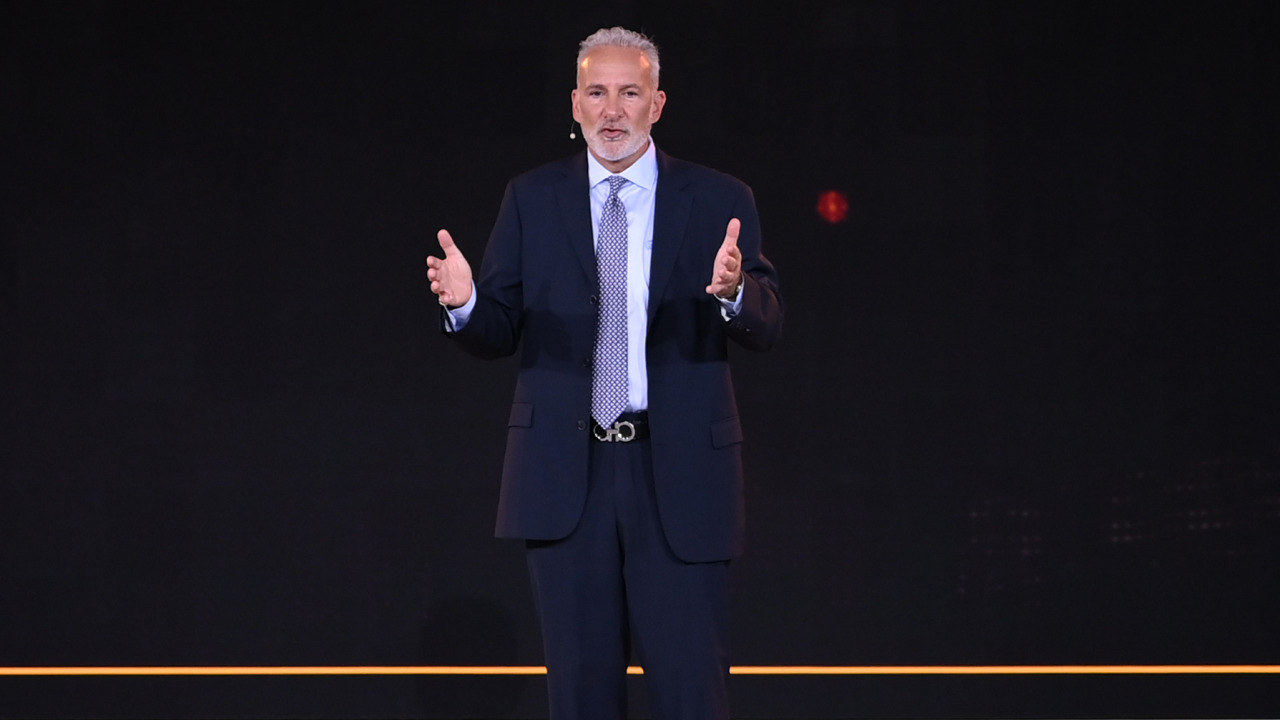
Rising bond yields are sending Washington a warning, according to economist and longtime gold advocate Peter Schiff. The Trump administration may be making matters worse by trying to silence it.
"Just as pain lets you know there is a medical problem that needs attention, if you simply numb the pain so you don't have to feel it, the underlying condition gets worse," Schiff wrote on X (1).
Jeff Bezos backs a platform that lets anyone invest in rental homes for as little as $100 — 6 ways to build wealth like a landlord without actually being one
JPMorgan sees gold hitting $5,000/oz by Q4 — and savvy investors are protecting their wealth with a tax-advantaged Gold IRA. Get your free guide from Priority Gold
The tax breaks in Trump's 'big beautiful bill' expire after 2028. Here are 4 moves to make before the window closes
Schiff accused the administration of "numbing the pain" through what he called "Operation Twist."
He argued that buying long-term government bonds to suppress yields leaves America's underlying debt problem untreated, potentially making an eventual sovereign debt crisis "fatal for the dollar and the U.S. economy."
The Treasury Department announced on Aug. 19 (2) that it would at least double the maximum size of certain buybacks involving 10- to 30-year Treasury securities, raising the cap from $2 billion to $4 billion per operation. The larger purchases will run from Sept. 9 through Nov. 4.
The announcement followed a bond selloff that pushed the 30-year Treasury yield to 5.34% (3), its highest level since 2007. America's gross national debt also crossed $40 trillion (4).
Bond prices and yields move in opposite directions. By purchasing more long-term debt, Treasury adds demand that can support bond prices and ease upward pressure on yields. Treasury says its goal is to provide liquidity in parts of the market where investors have offered it large volumes of high-quality securities.
The purchases may offer some temporary relief, but they do not reduce federal spending, deficits, or the amount Washington ultimately needs to borrow. The Congressional Budget Office estimated that the federal deficit had already reached $1.8 trillion during the first 10 months (5) of fiscal 2026.
The current policy also differs from the Federal Reserve's original Operation Twist. Beginning in 2011, the Fed sold or allowed shorter-term securities to mature (6) and used the proceeds to purchase longer-term Treasuries. The program involved hundreds of billions of dollars and aimed to push down longer-term borrowing costs without expanding the Fed's overall securities holdings.
Topics in this story
Gathered from external sources. Rights to this text belong to whoever originally published it.