California Democrat: ‘We need to have a safety stand-down with AI’
Rep. George Whitesides (D-Calif.) on Monday said that the U.S. needs “a safety stand-down” regarding AI amid growing calls for regulation coming from both the tech industry and members of Congress. “I’m setting out a vision for how we need to develop AI,” Whitesides told NewsNation’s Blake Burman on “The Hill.” “I think we need,…
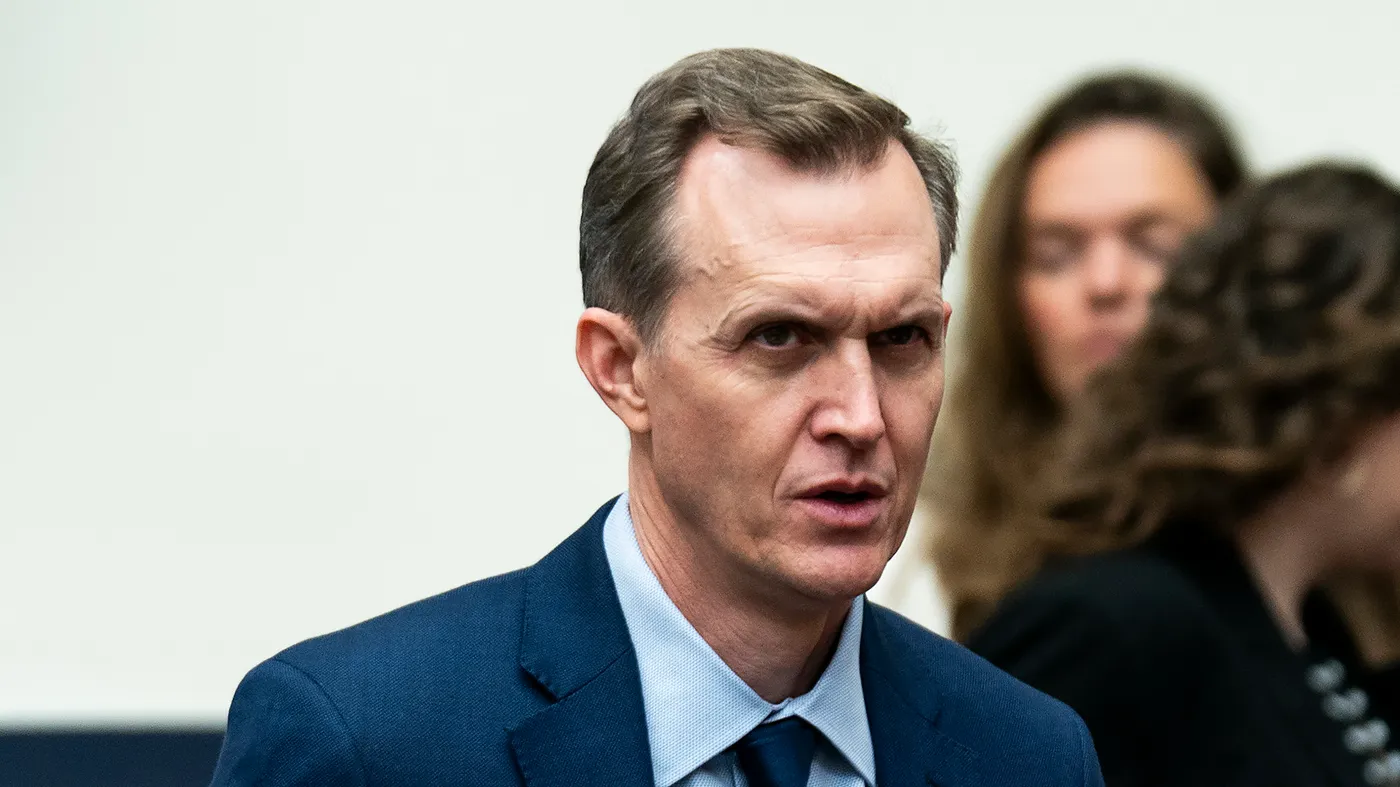
Rep. George Whitesides (D-Calif.) on Monday said that the U.S. needs “a safety stand-down” regarding AI amid growing calls for regulation coming from both the tech industry and members of Congress.
“I’m setting out a vision for how we need to develop AI,” Whitesides told NewsNation’s Blake Burman on “The Hill.” “I think we need, from my experience in the aerospace industry, working on accident recoveries and accident processes, that we need to have a safety stand-down with AI for at least one month for all the companies. Just one month.”
Asked by Burman about what he meant by a “safety stand-down,” Whitesides replied that consumers’ everyday AI usage would continue but that the “research on the frontier models, pushing forward that frontier, which is what people are scared about, would pause for a month while we do one thing.”
“We get the companies in the room, and we get experts, independent experts in the government, to talk about what are the red lines, what are the lines in the sand that we will not go past,” he continued. “We do not have that today. We need to have a common vision. And then Congress needs to work with those companies to put those red lines and lines in the sand into law.”
The California Democrat lambasted the fact that House members will leave Washington this week for a seven-week recess, suggesting that the “American people are scared.”
“They do not understand what’s happening in AI,” he continued. “And the leaders of these companies are saying actively, as your piece led in, that they want to slow down too. In fact, they want to have regulation. And so I think we need to stay in D.C. to work on this. And it’s crucial if we’re going to get real work done on this issue.”
Whitesides was previously NASA’s chief of staff and the former CEO of Virgin Galactic. His district covers much of northern Los Angeles County, including the cities of Santa Clarita, Palmdale and Lancaster, and the unincorporated areas of Stevenson Ranch and Castaic.
Republican leaders and President Trump have thrown cold water on integrating any federal safeguards on AI.
Speaker Mike Johnson (R-La.) dismissed the idea this week, while Senate Majority Leader John Thune (R-S.D.) said Monday that any regulation should be done in a “light-touch way that doesn’t squash innovation.”
Trump wrote on Truth Social that the only guardrails needed for AI “is a STRONG AND SMART (High IQ!) PRESIDENT, and the U.S.A. has that, in spades!” He wrote in a separate post that fears that AI could destroy humanity is a “hoax.”
This grave concern over AI made headlines last week after former Anthropic and OpenAI researcher Jacob Coxon wrote on social media that those who develop AI ” earnestly believe that it could kill us all by the end of the decade.” Fellow Anthropic researcher Evan Hubinger echoed this, saying, “we really do earnestly believe AI could kill all humans .”
Over the weekend, Anthropic CEO Dario Amodei said that artificial intelligence development must slow down to inlclude more safeguards, a call that was later backed by Sam Altman and Elon Musk.
Topics in this story
Gathered from external sources. Rights to this text belong to whoever originally published it.